
OUR SERVICES
CRAFTING SEATTLE HOMES
From a single room transformation to a ground-up custom build, Total Developments brings over 25 years of craftsmanship and personal commitment to every project across the Greater Seattle Eastside.
Every Project. Every Scale. One Trusted Team.
At Total Developments, no two projects are the same — and that's exactly how we approach them. Whether you're updating a single space or building your forever home from scratch, our team works alongside you to understand your vision, your lifestyle, and your goals. We serve homeowners across Bellevue, Kirkland, Redmond, Sammamish, and the Greater Seattle Eastside with a full range of services — kitchen remodels, bathroom renovations, whole house remodels, home additions, and new custom builds. Every service we offer is backed by the same standard: exceptional craftsmanship, transparent communication, and results we're proud to put our name on.
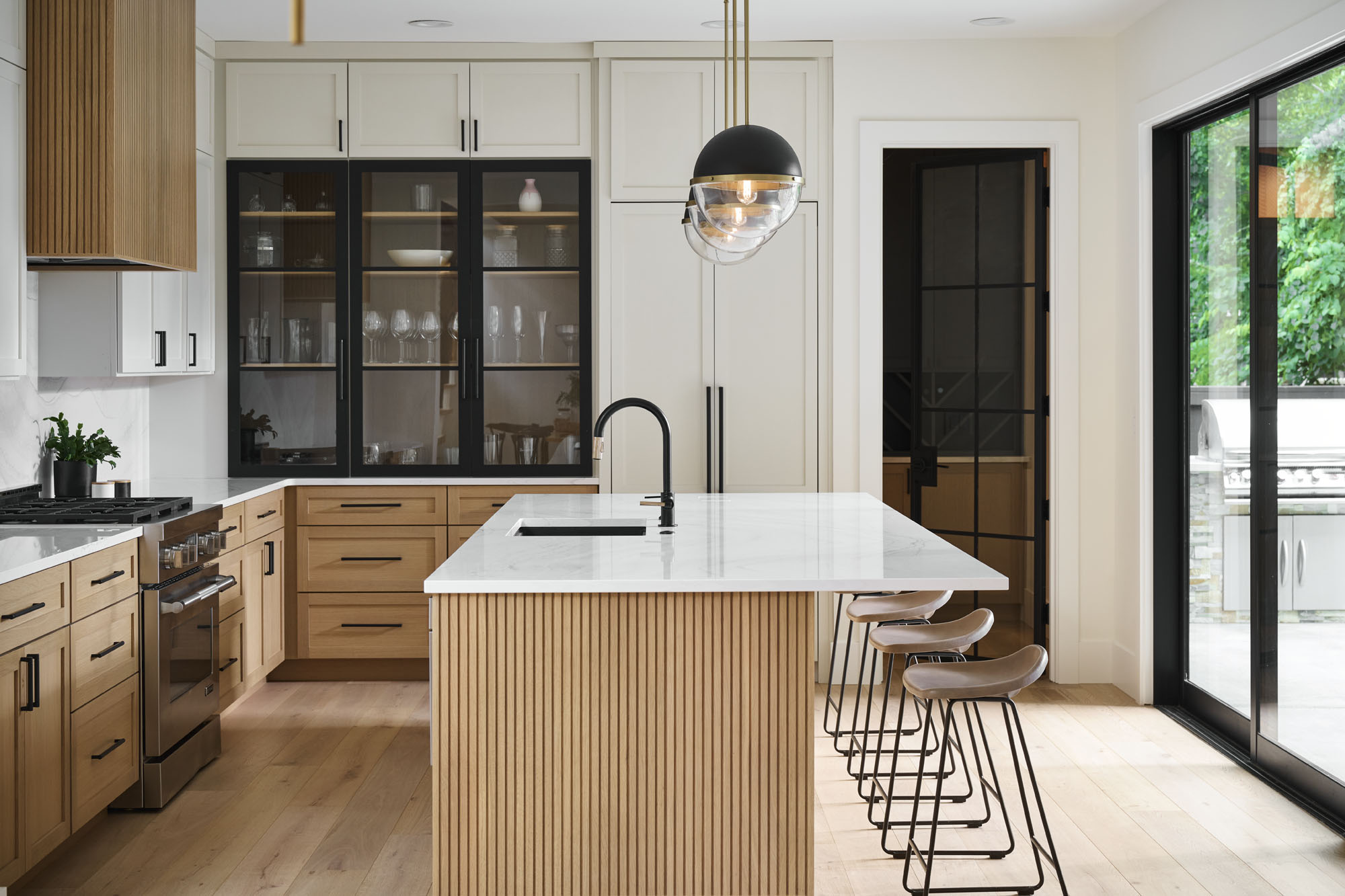
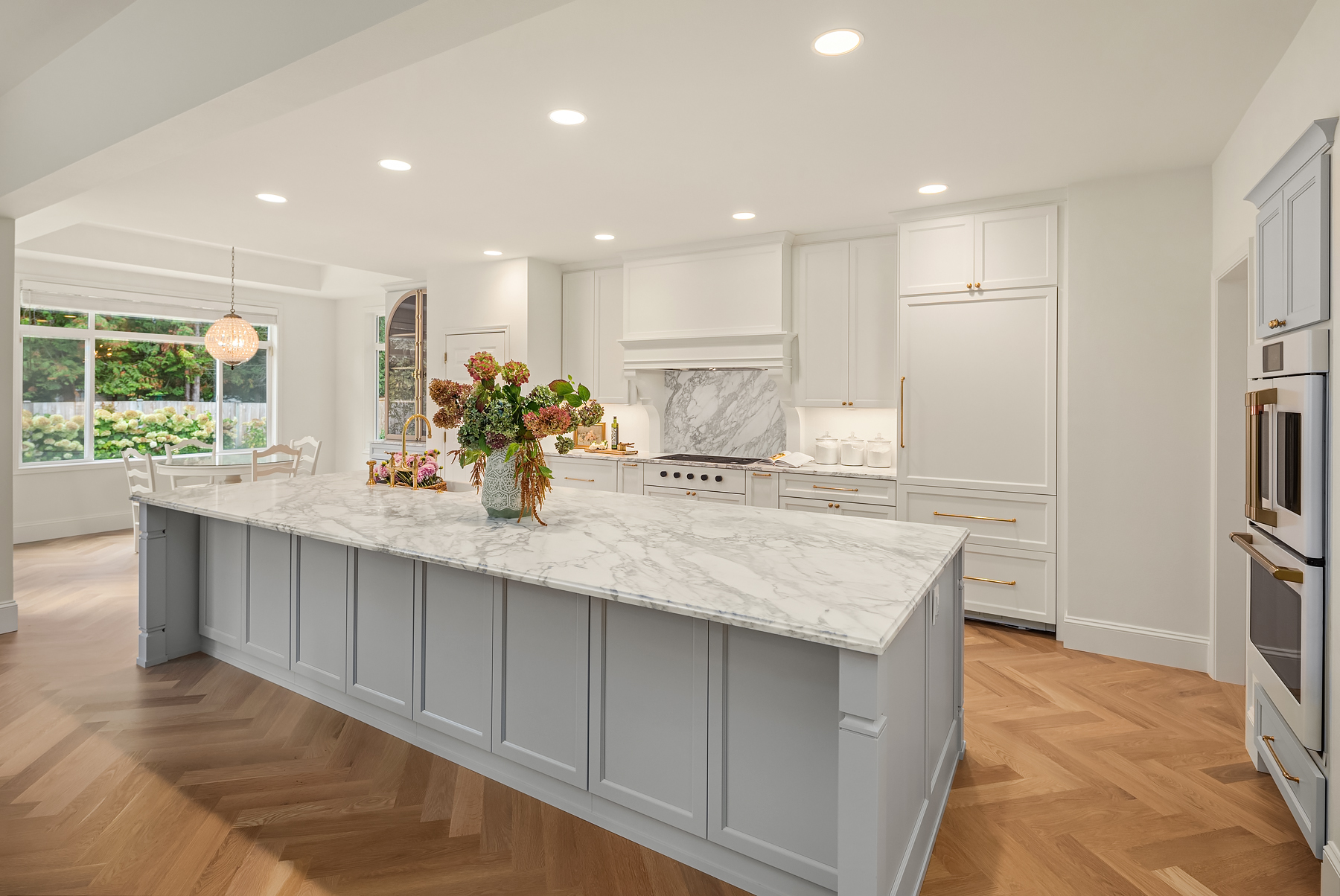
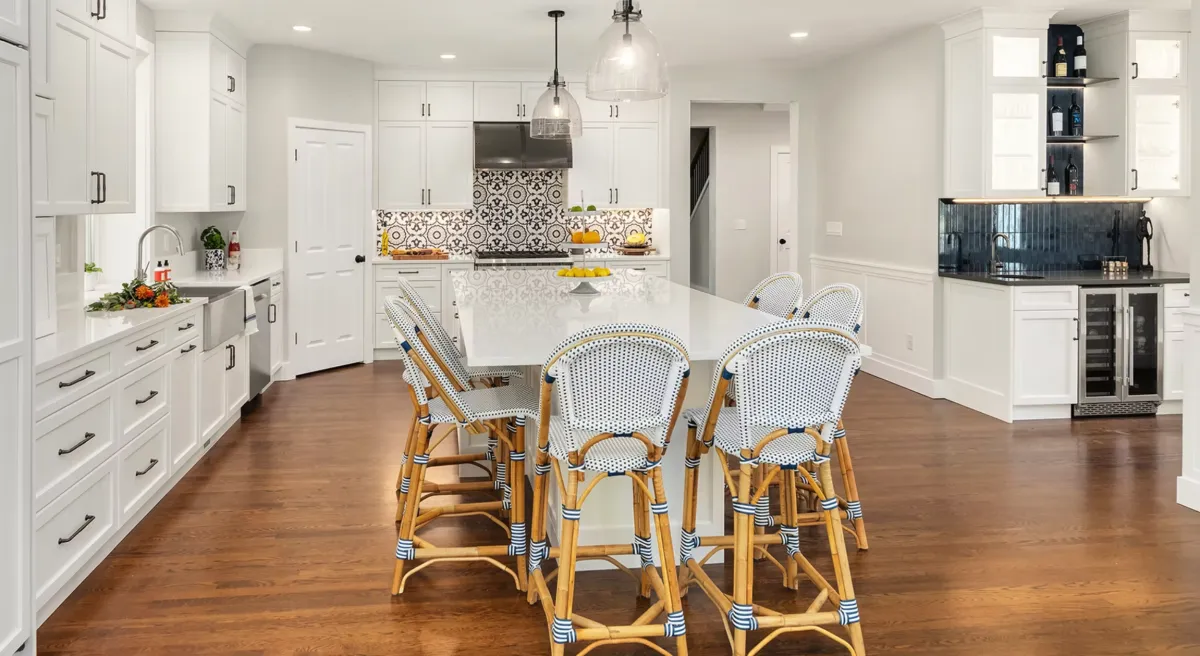
Kitchen Remodels
The Heart of Your Home, Reimagined.
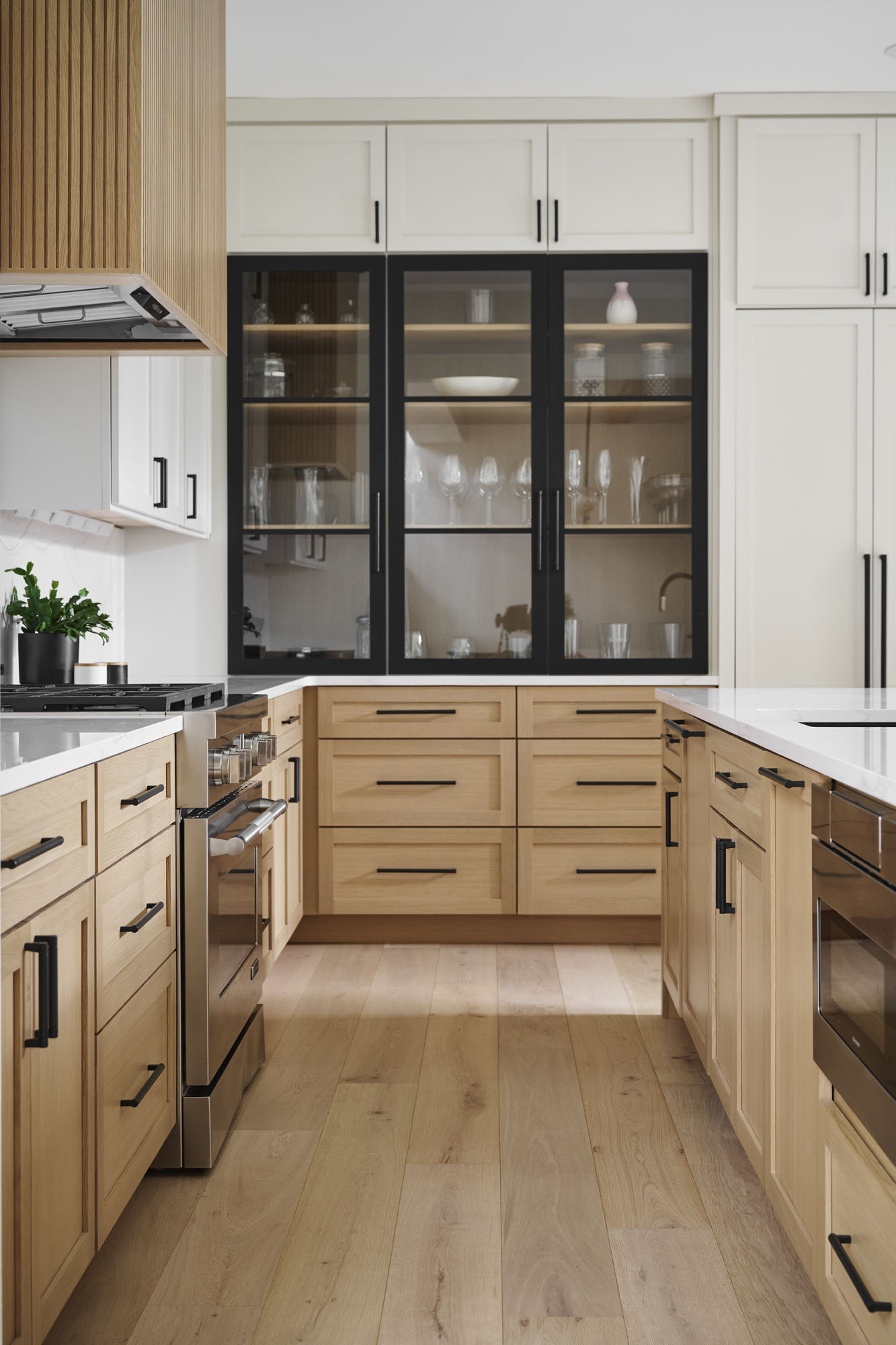
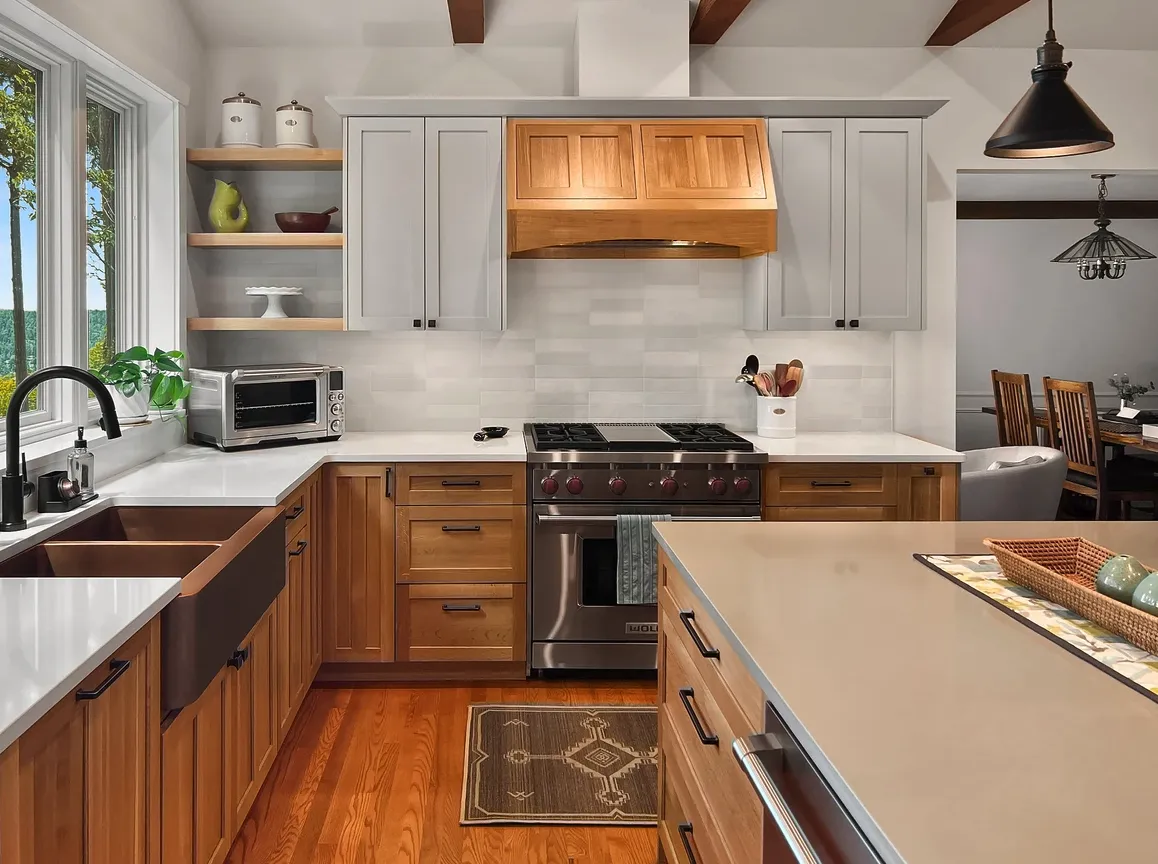
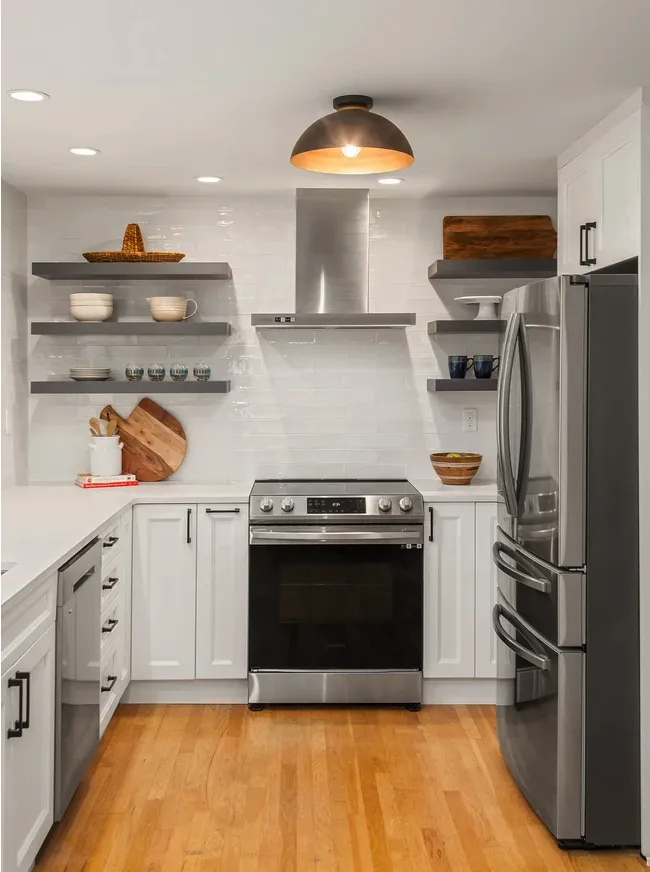
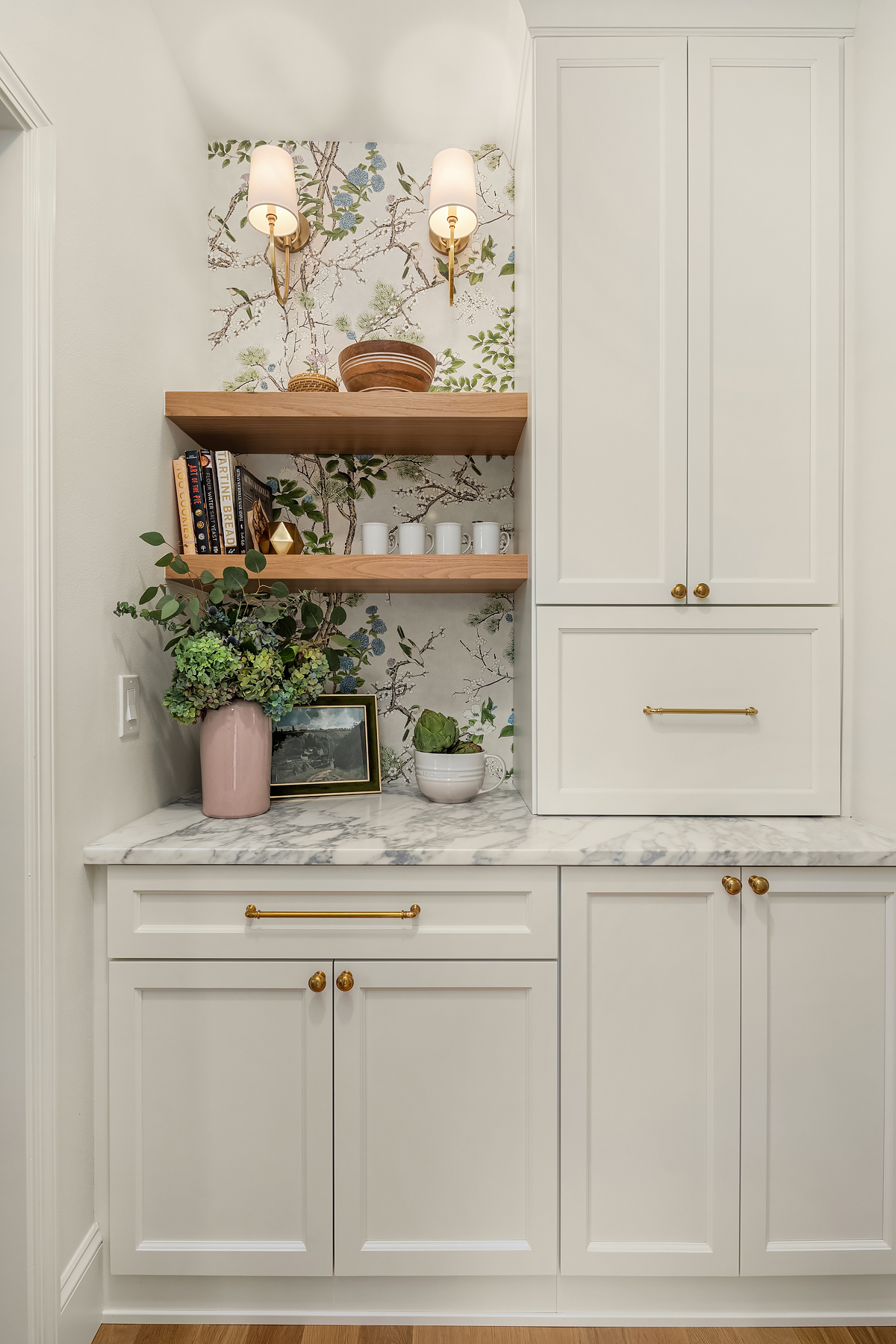
The kitchen is where your home comes alive — and we treat it that way. From custom cabinetry and countertops to full layout redesigns, Total Developments builds kitchens that are as functional as they are stunning.
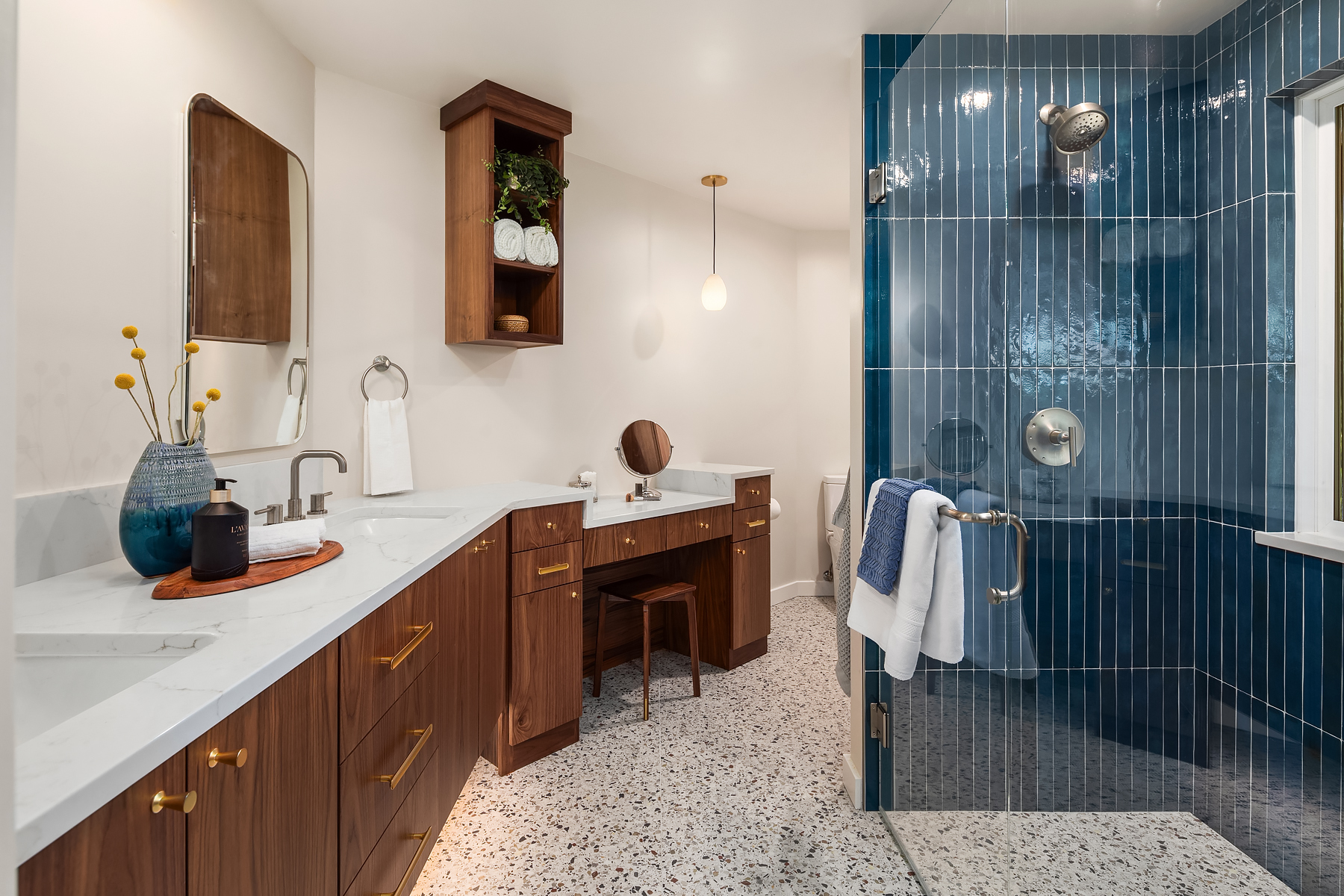
Bathroom Remodels
A Personal Retreat
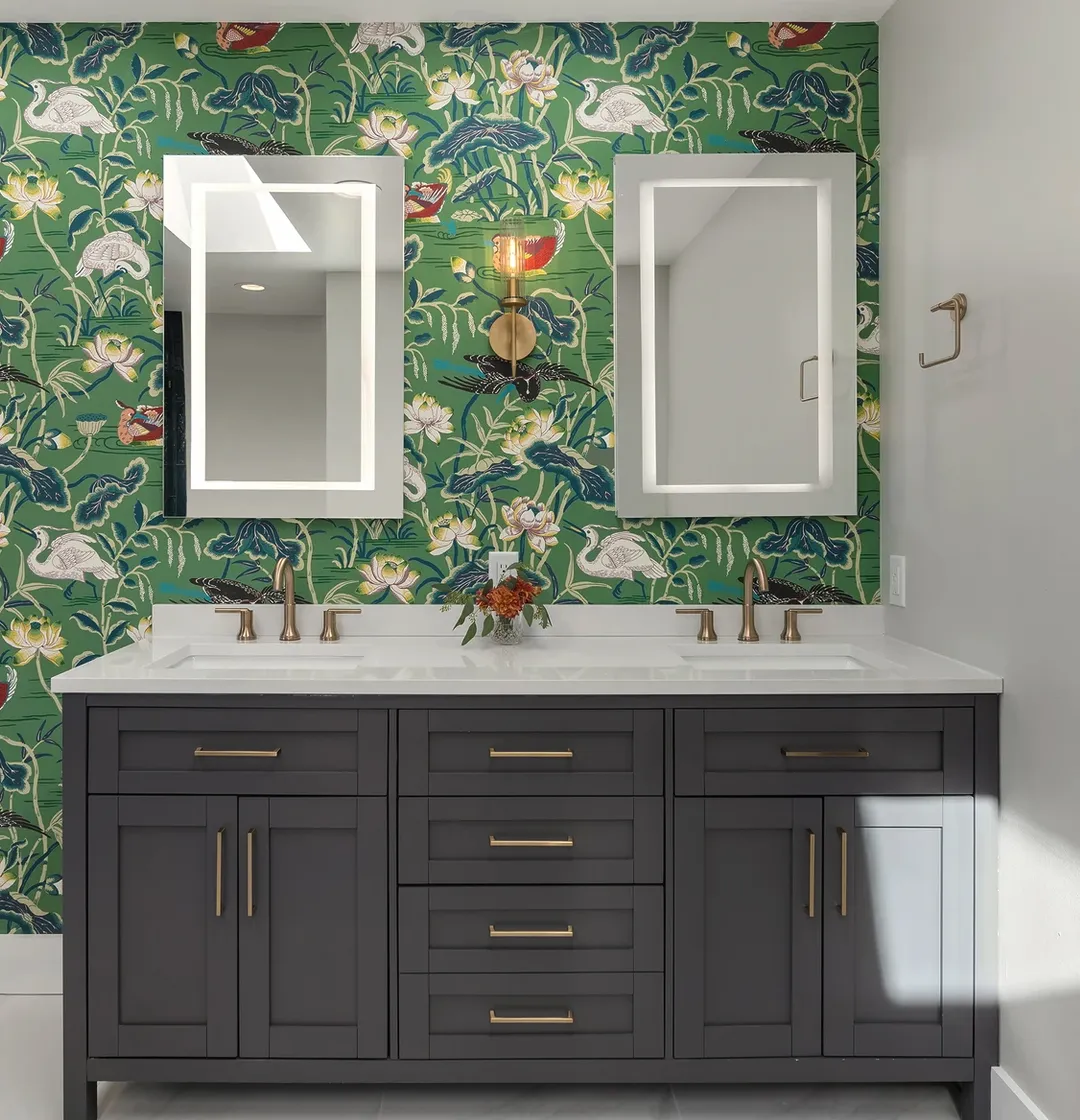
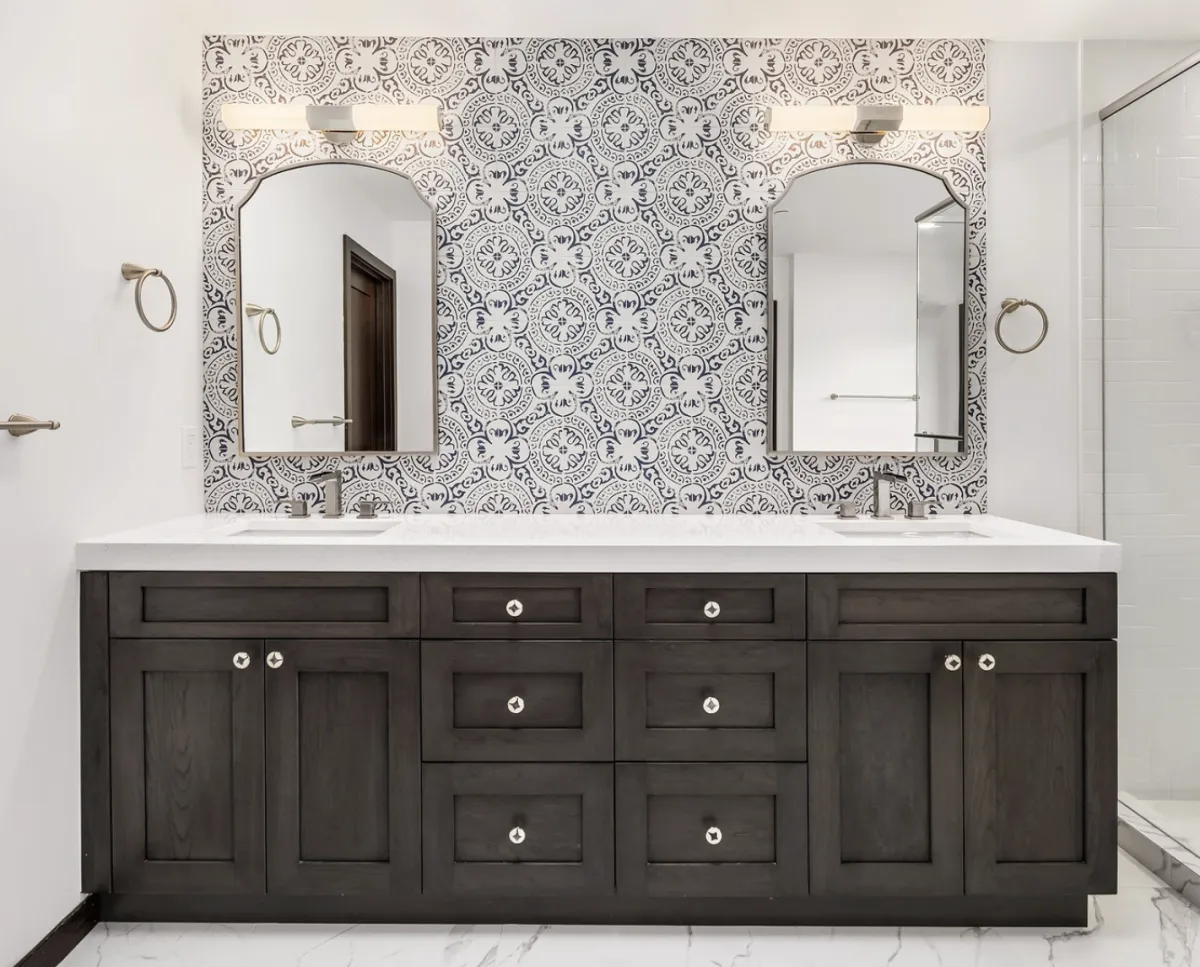
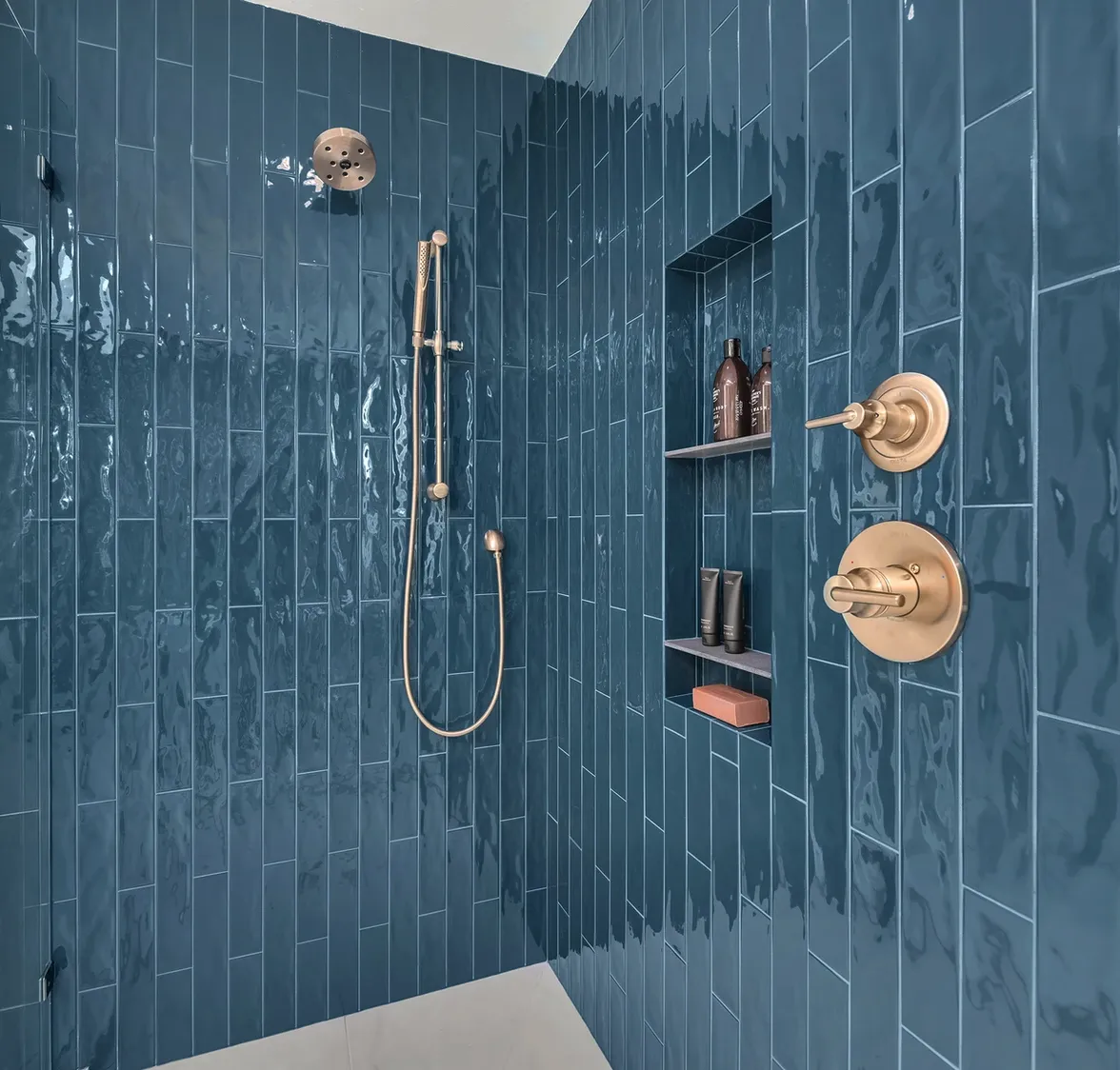
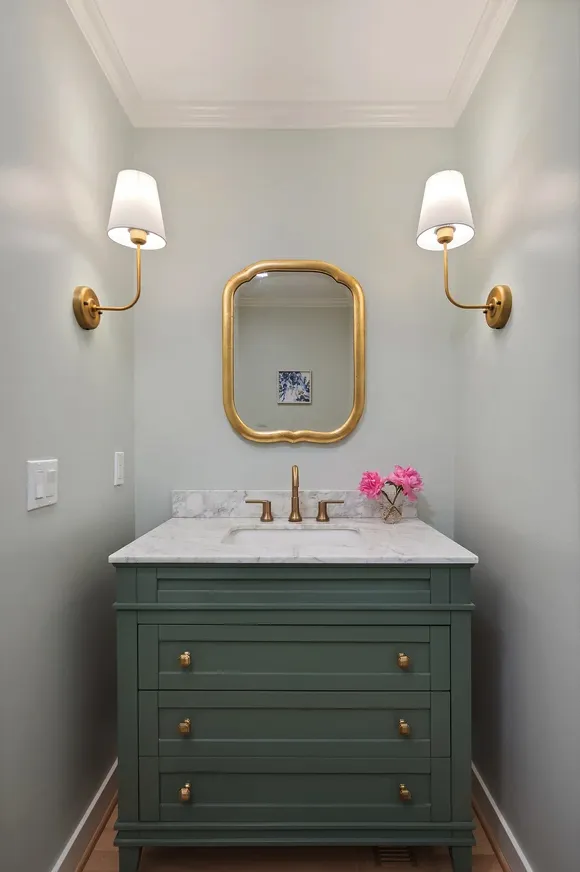
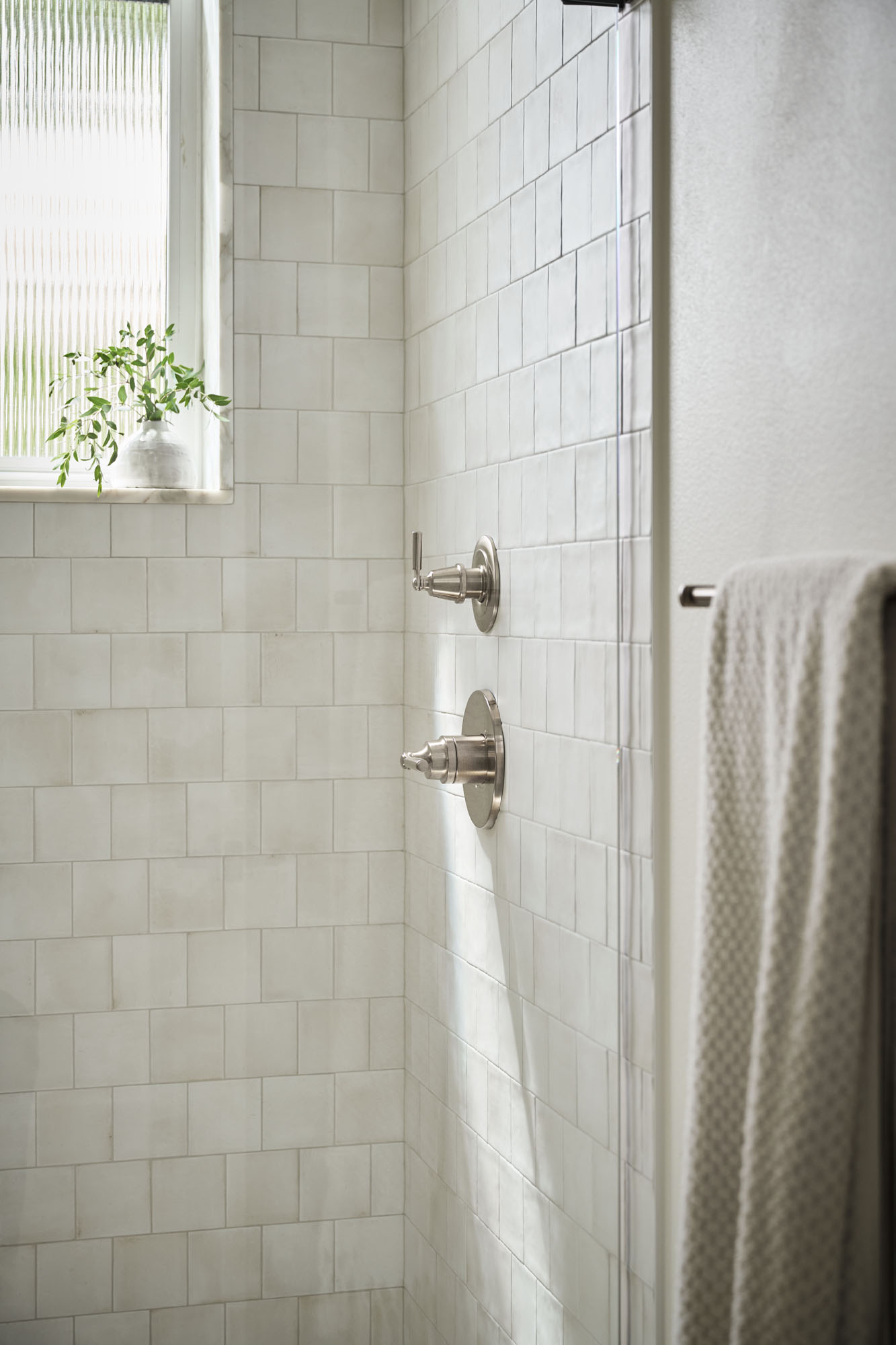
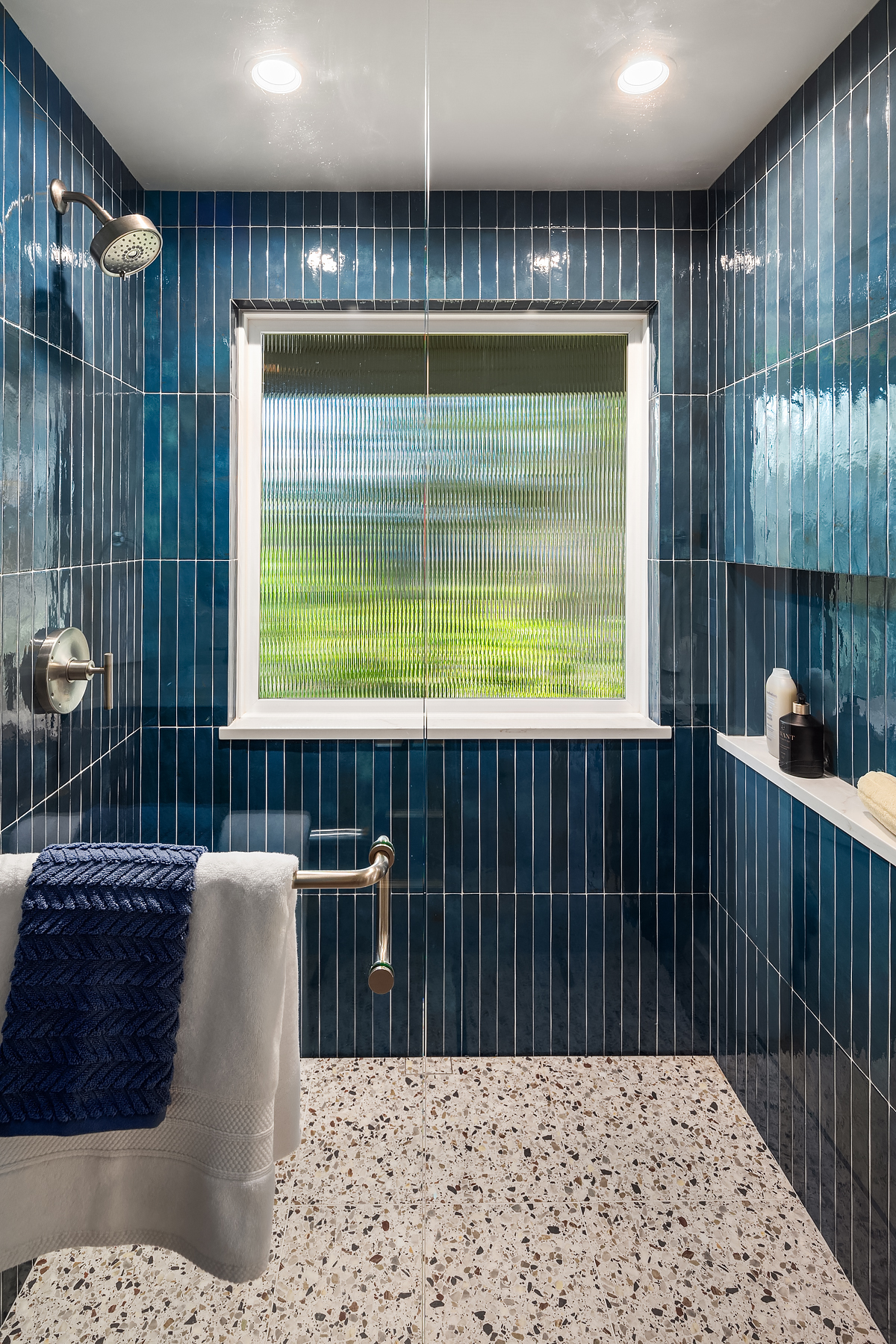
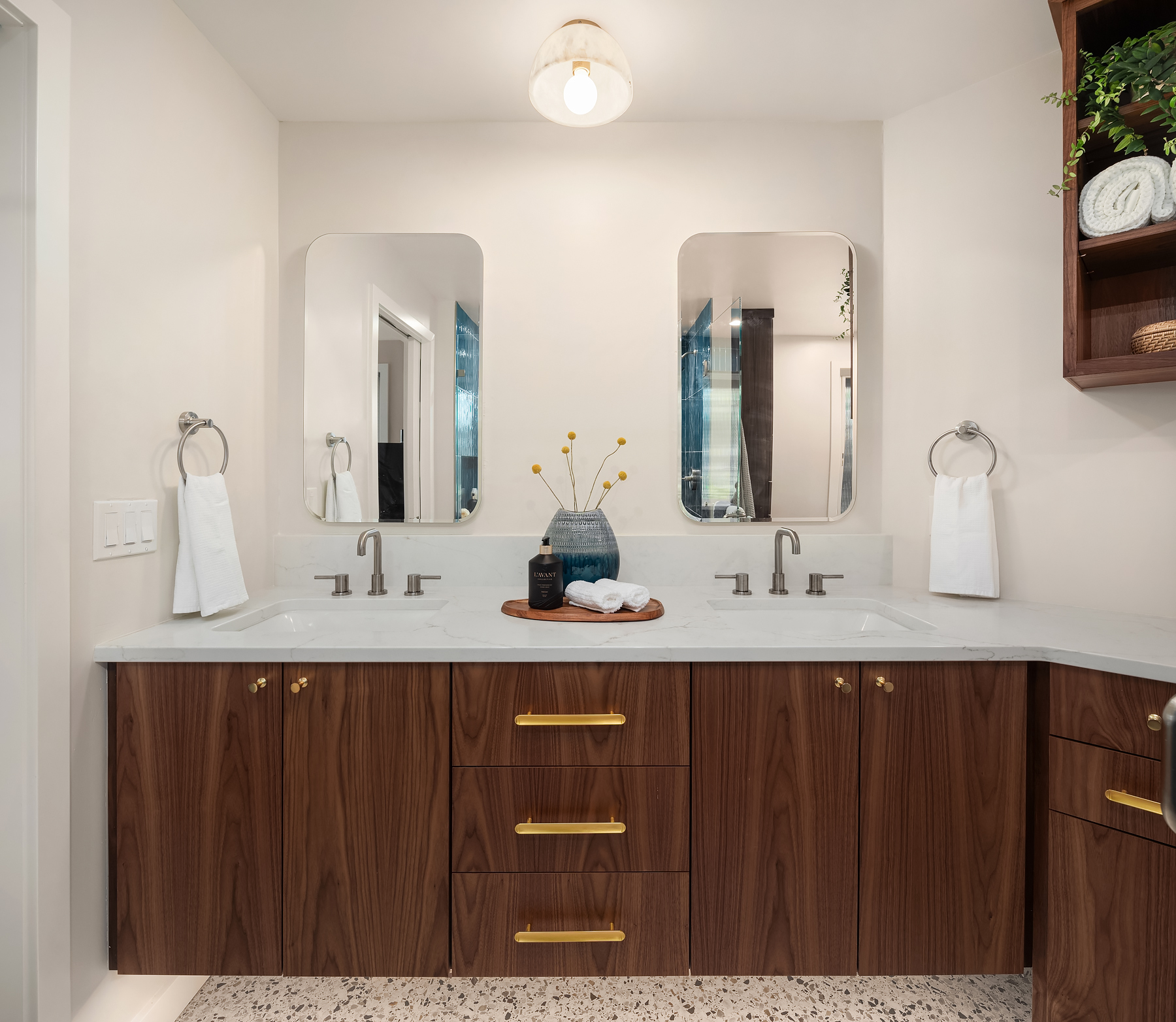
Transform your bathroom into the retreat you deserve. From walk-in showers and soaking tubs to custom tile and vanities, we bring craftsmanship and intention to every bathroom, en suite, and powder room renovation.
Whole Home Renovation
The Home You Love, Reimagined.
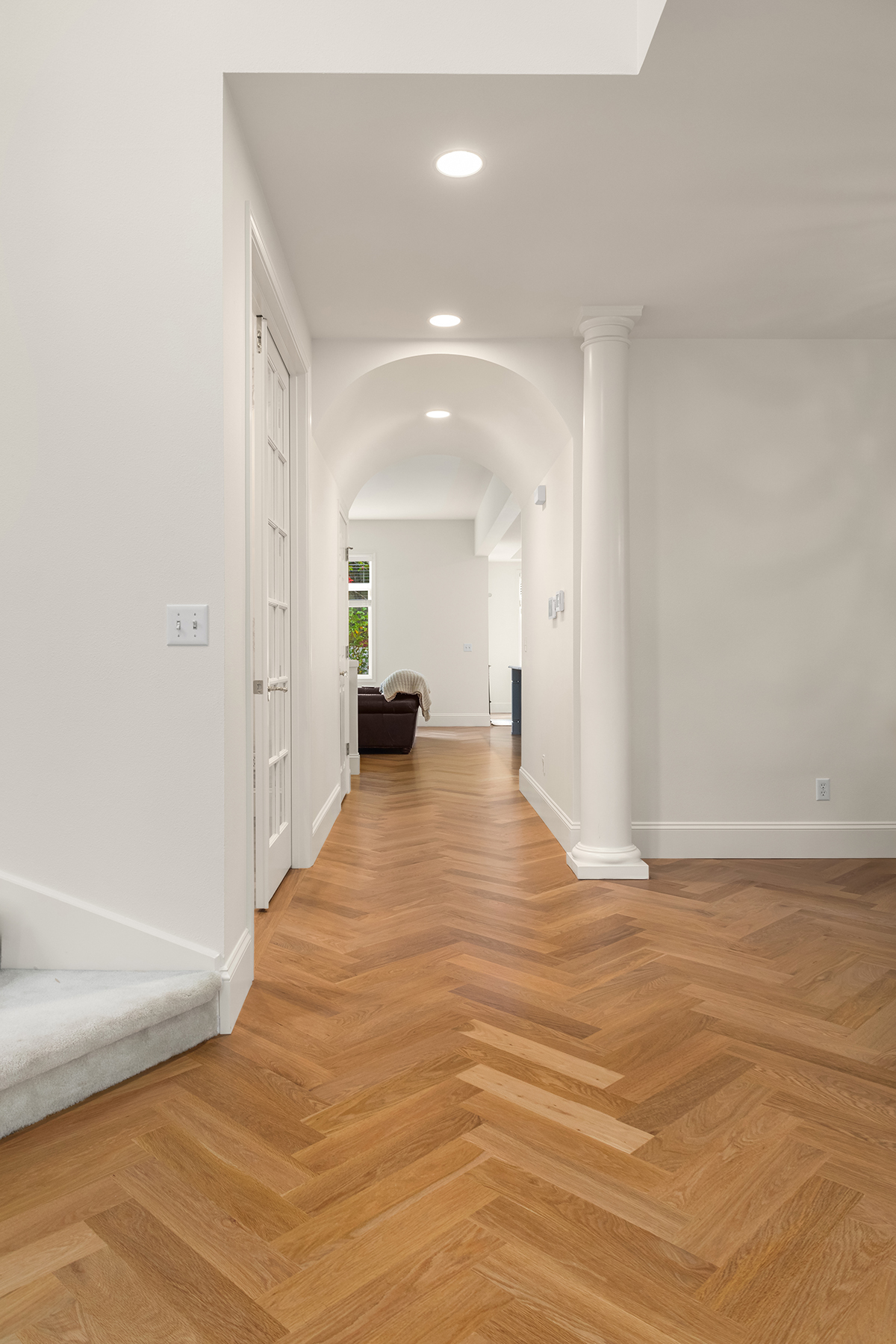
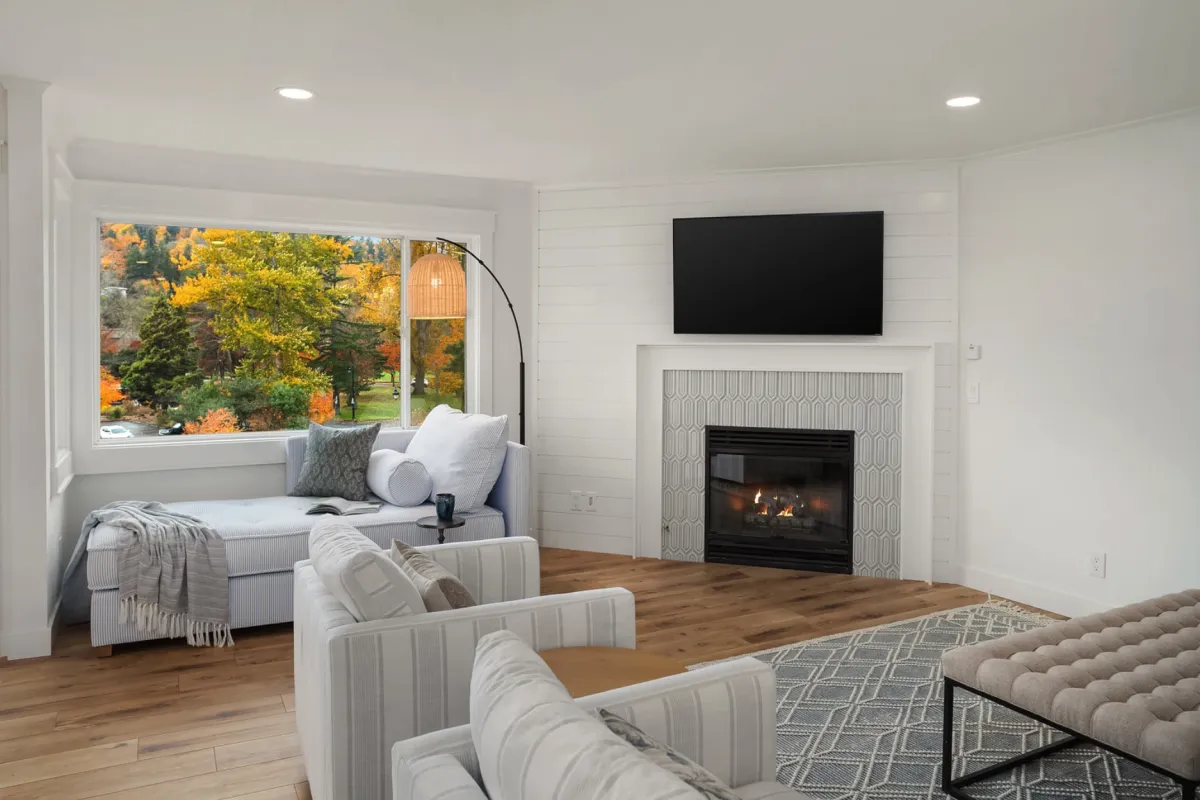
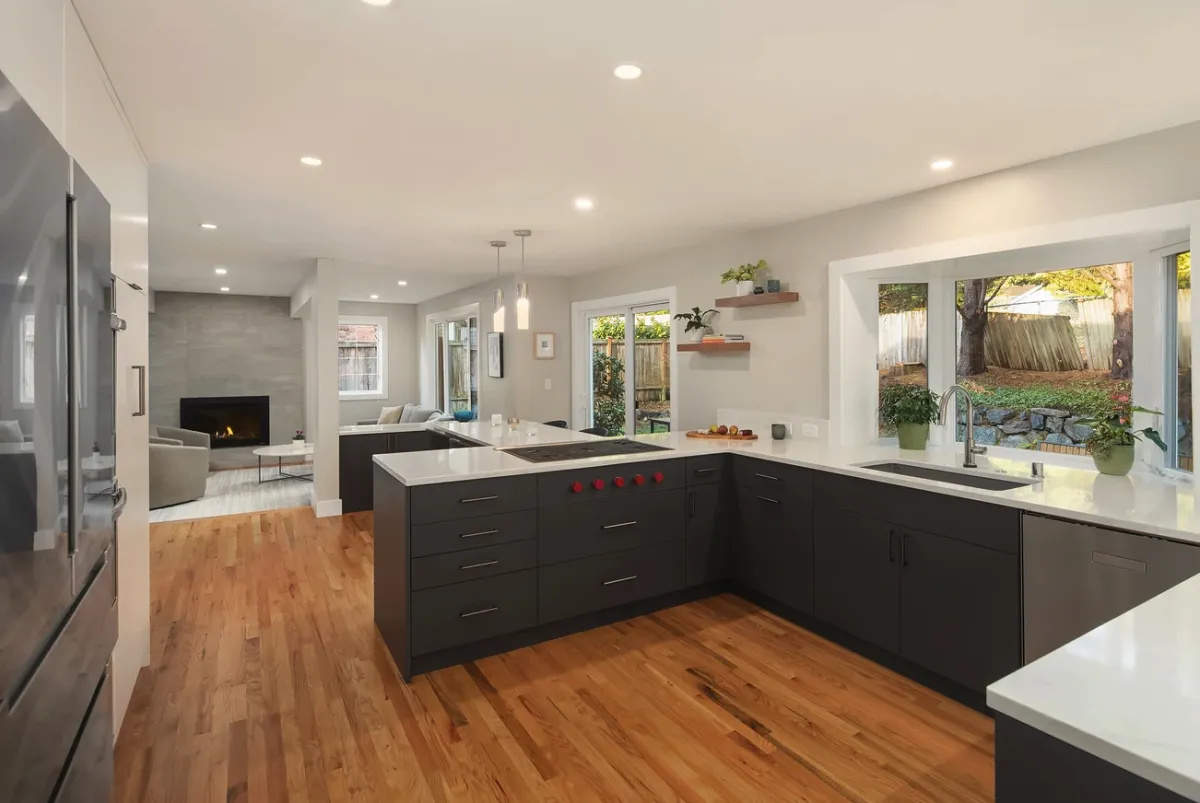
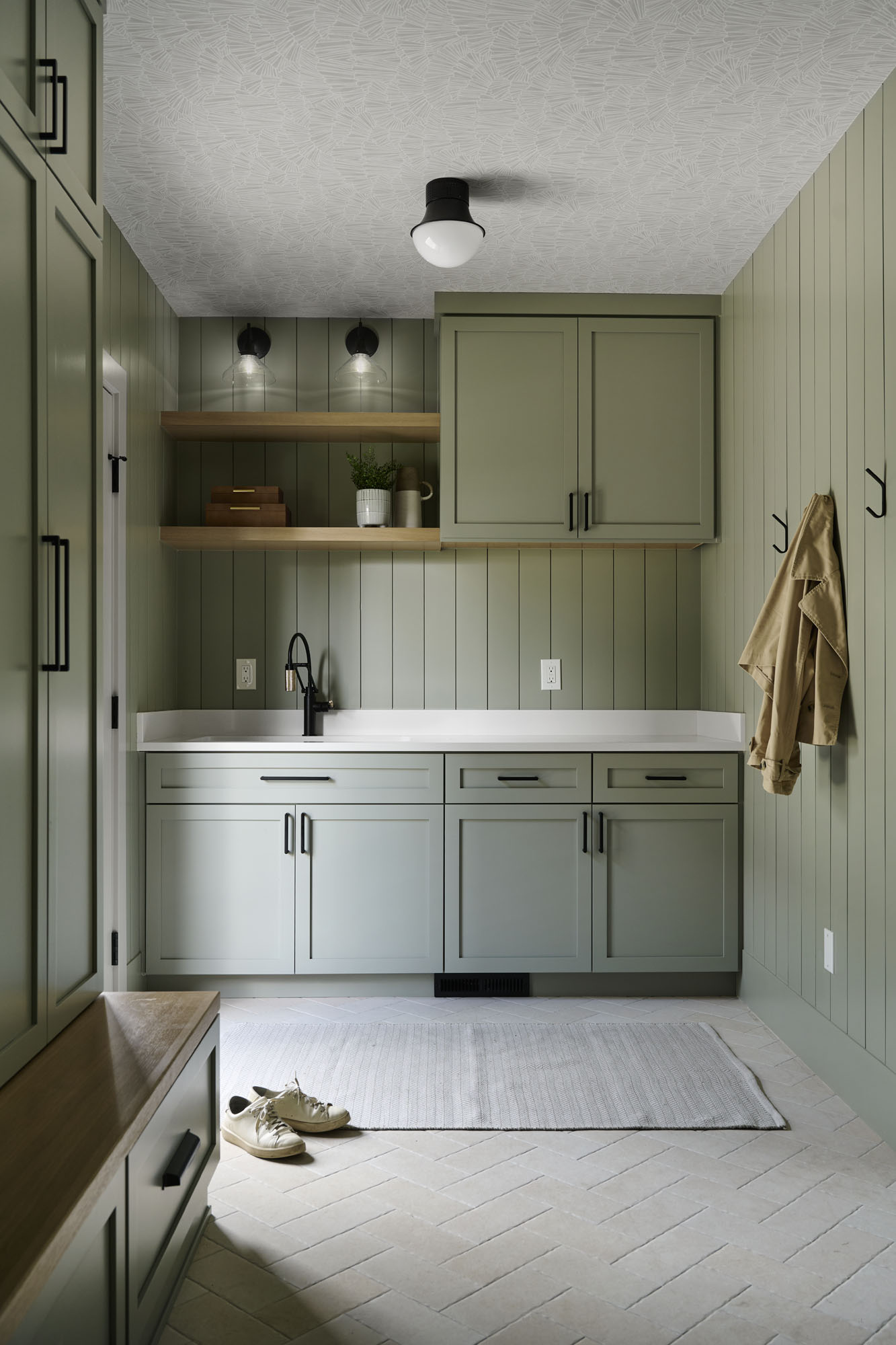
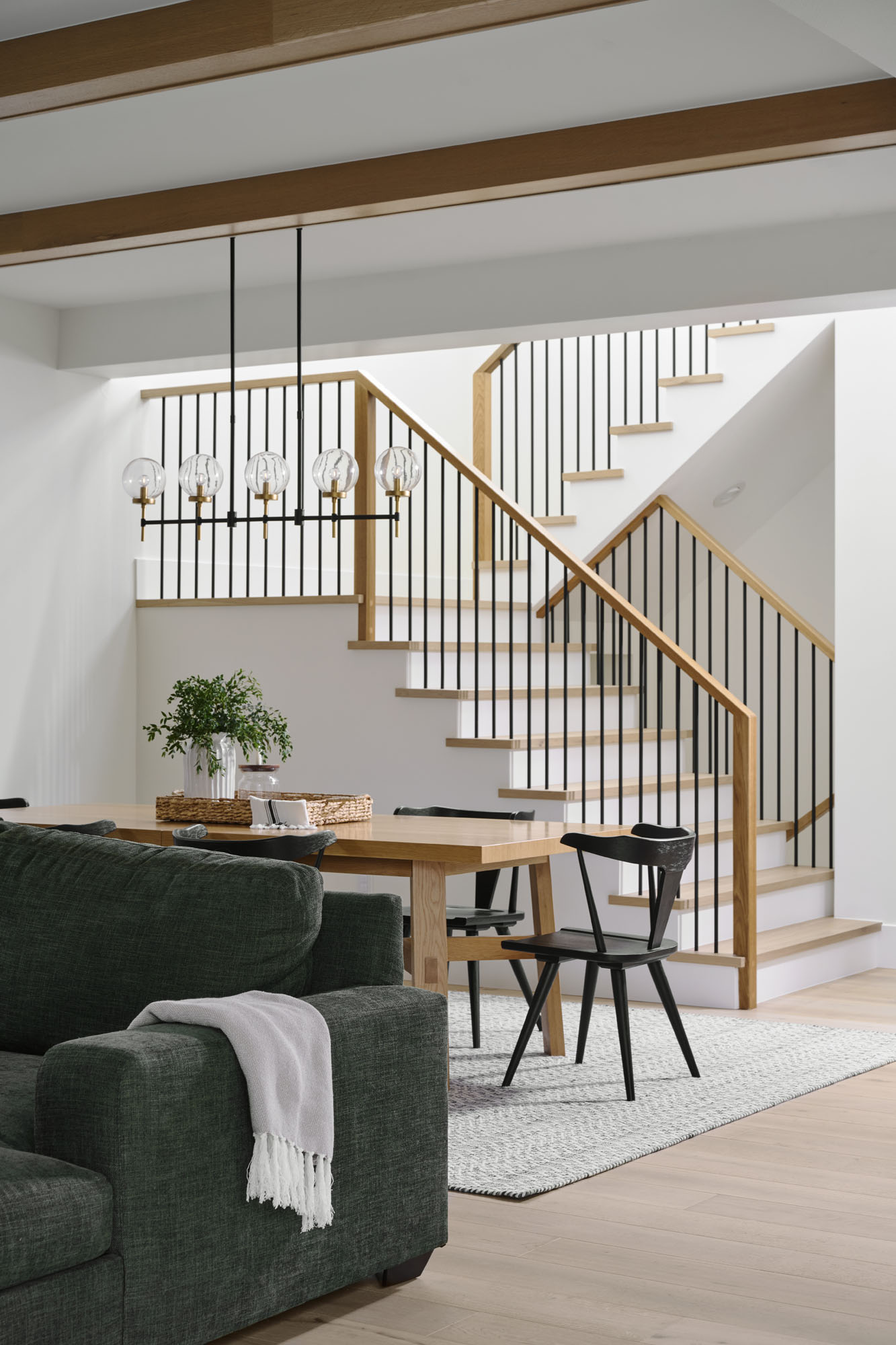
Ready for a complete transformation? We manage every phase of your whole-home remodel under one roof — from structural changes and open-concept conversions to finishes and final walkthrough. One team, one timeline, zero headaches.
Home Additions
Seamlessly Create More Space.
When your home needs to grow, we make sure it grows seamlessly. From master suite additions and second stories to ADUs and expanded living spaces, we design and build additions that look and feel like they were always part of your home.
New Builds
Live The Way You've Envisioned.
Build the home you've always imagined, exactly the way you want it. Total Developments has been crafting custom homes across the Greater Seattle Eastside for over 25 years — bringing your vision to life from the ground up, start to finish.
Our Work
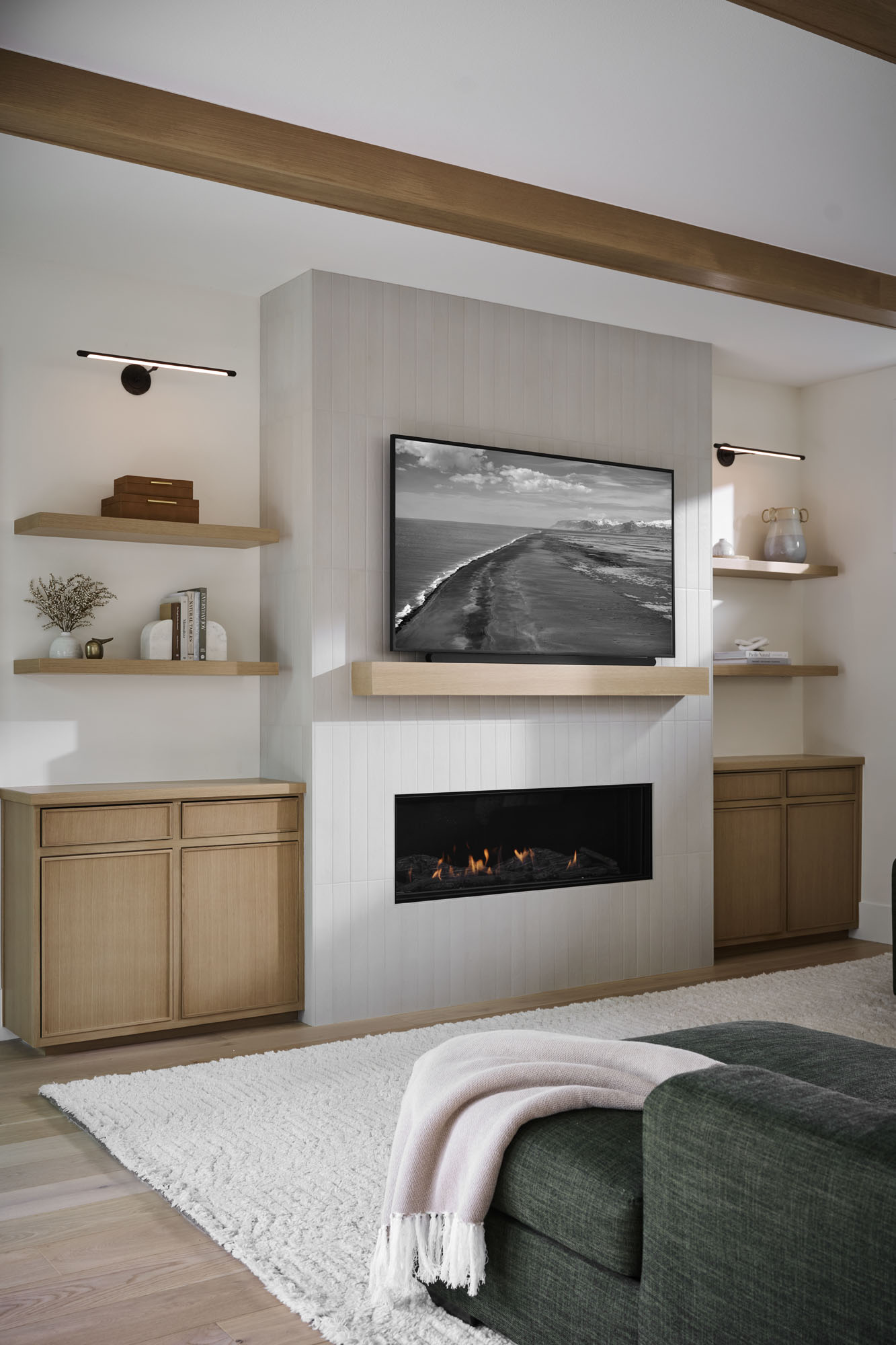
Why Choose the Total Developments Team?
When you choose Total Developments, you're not just hiring a construction crew — you're partnering with a team that has spent over 25 years earning the trust of Eastside homeowners. We believe in straight talk, reliable timelines, and keeping you informed every step of the way. Ken, Josh, Chris, and Jason are personally invested in every project, because we know the details are what turn a house into a home you'll love for years to come.
Does my project need permits?
Whether you will need permits or not depends on the type of project you're working on.
Projects that typically require a permit:
- Building a new house, garage, or addition
- Finishing a basement, attic, or garage into living space
- Adding or removing walls
- Decks more than ~30 inches high
- Retaining walls 4 ft or taller
- Electrical, plumbing, or HVAC work
- Patio covers, carports, or porches
- Detached sheds over ~200 sq ft
- Replacing windows/doors if it changes the opening size
Projects that DO NOT typically require a permit:
- Painting
- Flooring
- Cabinets or countertops
- Cosmetic interior work
- Small sheds under ~200 sq ft with no electrical/plumbing
- Low-voltage outdoor lighting
Should we hire the cheaper estimate we received?
It depends on why they’re cheaper. A lower price can be great—or a warning sign. Before deciding, compare contractors on a few key factors:
1. Scope of Work -
Make sure the bids include the same work and materials. A cheaper contractor might:
- Use lower-quality materials
- Skip steps (permits, prep work, cleanup)
- Leave out parts of the job that will become extra charges later
2. Reputation & Experience -
Check the following:
- Reviews and references
- Photos of past projects
- Years doing similar work
A contractor with solid experience may save you money by avoiding mistakes and delays.
3. Licensing, Insurance, and Permits -
Confirm they have:
- Proper licensing for your area
- Liability insurance and worker’s comp
- Willingness to pull permits if required
If they don’t, you could be financially responsible if something goes wrong.
4. Communication & Professionalism -
Notice how they handle:
- Written estimates
- Clear timelines
- Responsiveness to questions
Poor communication early usually means bigger issues during the project.
5. Price Outliers
If one bid is much lower than the others, it often means:
- They misunderstood the project
- Plan to cut corners
- Will charge change orders later
What seperates a great contractor from an average or below average contractor?
- Clear communication from the beginning of initial intro meeting. It sets the tone for the entire project and what the consumer gets.
- Detailed planning and organizing.
- Quality control of project of trades.
- Finical transparency.
- Problem solving ability.
- Reputation and reviews.
Do we need a designer?
Whether you need a designer or not typically depends on the scope of the project.
You probably don’t need a designer when:
- You’re doing simple updates (paint, flooring, fixtures)
- You already know exactly what you want
The layout isn’t changing
- Your contractor helps with basic selections
Example: replacing cabinets, countertops, and appliances in the same layout.
- A good contractor can often handle this without a separate designer.
A designer is very helpful when:
- You’re changing the layout
- Moving plumbing, walls, or electrical
- Doing a kitchen or bathroom gut remodel
- You want a cohesive style and material plan
- You’re overwhelmed with hundreds of product choices
Designers also help prevent costly problems like:
- Cabinets not fitting
- Bad traffic flow
- Lighting placed incorrectly
- Materials that clash
Contact
(206) 339-3974
Service Areas
Redmond | Bellevue | Seattle
Sammamish | Issaquah | Woodinville

