
Custom home builds
Bellevue · Kirkland · Redmond · Sammamish · Issaquah · Woodinville · Mercer Island · Seattle · Greater Eastside
There's nothing quite like a home that was designed and built specifically for you. Total Developments has been bringing custom home visions to life across the Greater Seattle Eastside for over 25 years — and we bring that same personal investment to every build we take on.
Custom Home Builds | Bellevue, Kirkland, Redmond & Sammamish
Stop Settling, Start Building.
At Total Developments, we've spent over 25 years building fully custom homes across Bellevue, Kirkland, Redmond, Sammamish, and the Greater Seattle Eastside — and we've learned that the best custom builds start with the best listening. Before we ever break ground, Ken, Josh, Chris, and Jason take the time to understand how you live, what matters most to you, and what your forever home should feel like. Then we build it.
From lot evaluation and architectural coordination to construction management and final walkthrough, we handle every phase of your custom build under one roof. No juggling multiple contractors. No wondering what's happening on your lot. Just a trusted team that's with you every step of the way — and a finished home that's worth every moment of the process.
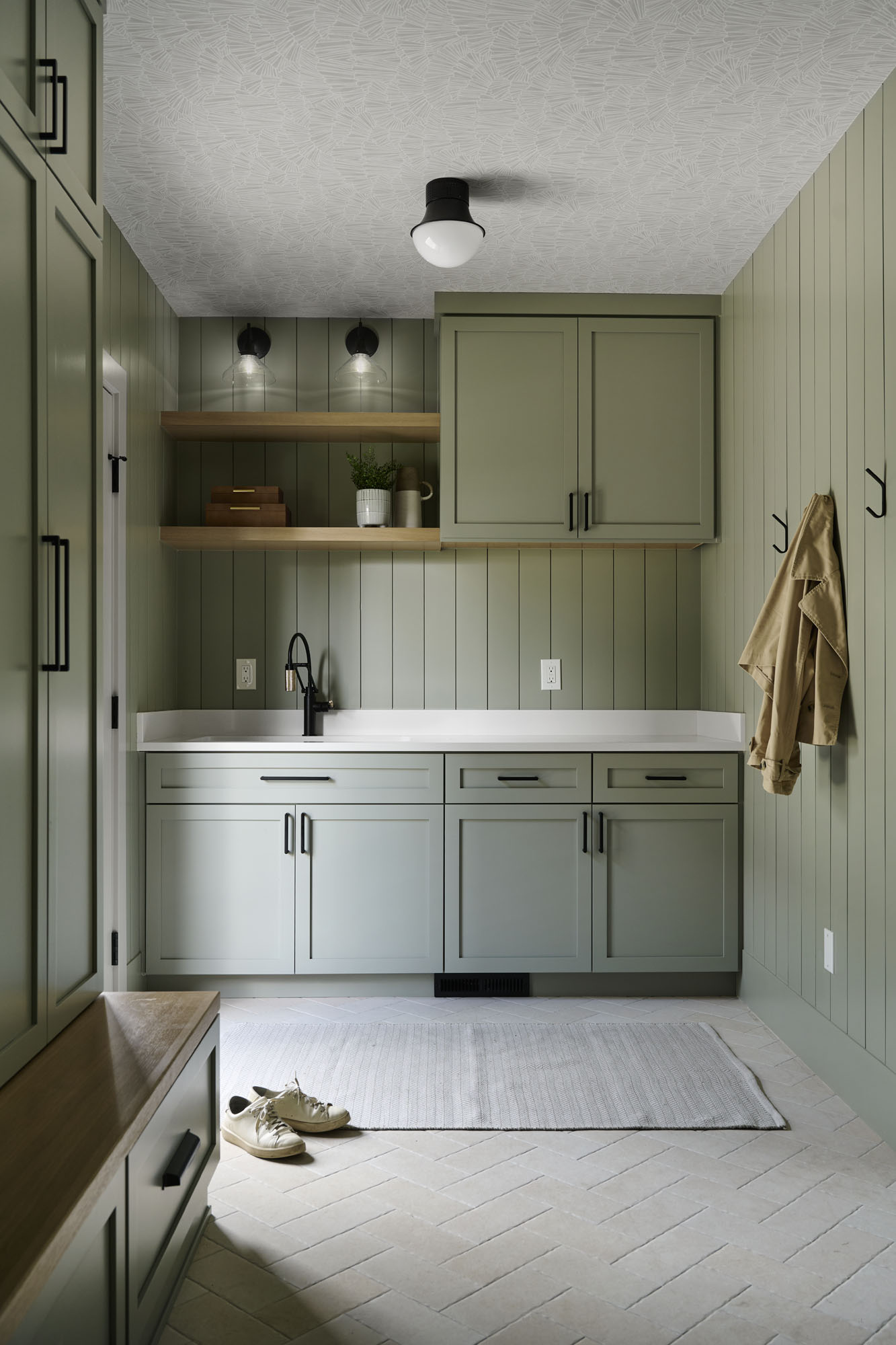
new home construction | Bellevue, Kirkland, Redmond & Sammamish
What We Handle
Site evaluation & pre-construction planning
Architectural & design coordination
Full custom construction management
Material & finish selections
Electrical, plumbing & HVAC
Custom cabinetry & millwork
Landscaping coordination
Final walkthrough & quality assurance
Full permit management
How we work
Our Process
Vision & Discovery Meeting
Every custom build starts with a conversation unlike any other. We want to know everything — how you entertain, how your family moves through a home, what you've loved and hated about every place you've ever lived. The more we understand about your life, the better we can design a home that fits it perfectly.
Site Evaluation & Feasibility
Before design begins, we evaluate your lot — assessing topography, soil conditions, setbacks, utilities, and anything else that could affect the build. We give you an honest, thorough picture of what your site can support and how to make the most of it.
Architectural Design & Planning
We coordinate with your architect or our design partners to develop plans that bring your vision to life while meeting all local building codes and requirements. This phase is where the home takes shape on paper — and we stay closely involved to make sure the design is both beautiful and buildable.
Selections & Pre-Construction
From flooring and cabinetry to fixtures, hardware, and exterior finishes — every selection is made before construction begins. This keeps the build moving on schedule and ensures you're never making rushed decisions under pressure. We guide you through every choice with our experience and your vision in mind.
Permitting & Pre-Build Coordination
Custom home builds require extensive permitting and pre-construction coordination. We manage the entire process — submitting plans, pulling permits, scheduling inspections, and coordinating every trade before a single shovel hits the ground.
Ground-Up Construction
This is where everything comes together. From foundation and framing through roofing, mechanical systems, insulation, drywall, and finish work — our team manages every phase of construction on-site. You'll receive regular progress updates and always know exactly where your home stands.
Quality Control & Punch List
As construction wraps up, we conduct a thorough quality review of every system and finish in the home. Any item that doesn't meet our standard gets addressed before you ever set foot inside. Because a home built by Total Developments has to be right — not just done.
Final Walkthrough & Move-In
The moment you've been waiting for. We walk through your completed home together, room by room, making sure every detail is exactly as envisioned. When you're fully satisfied, we hand over the keys — and the home that's been yours since the very first conversation.
Our Work
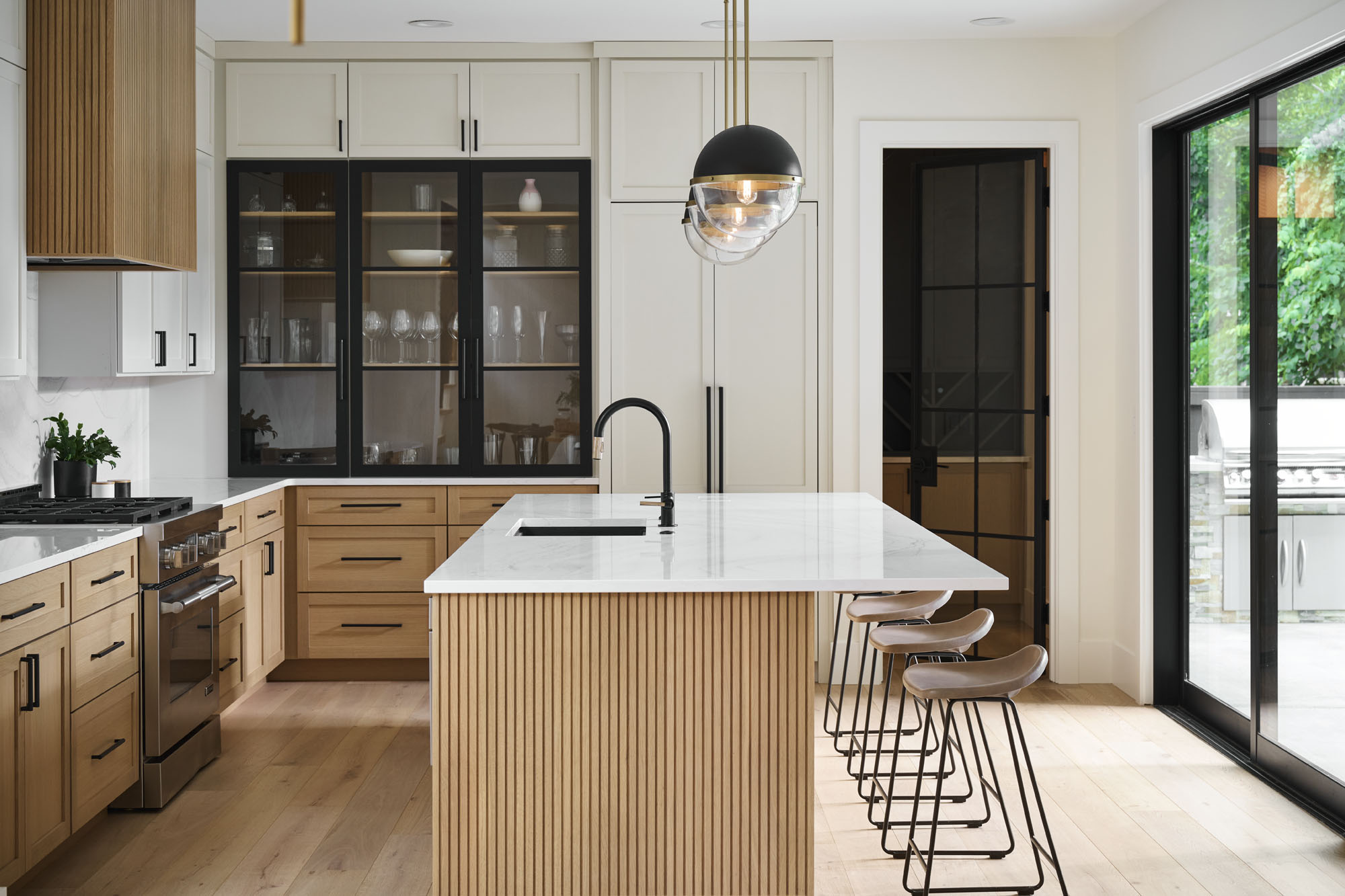
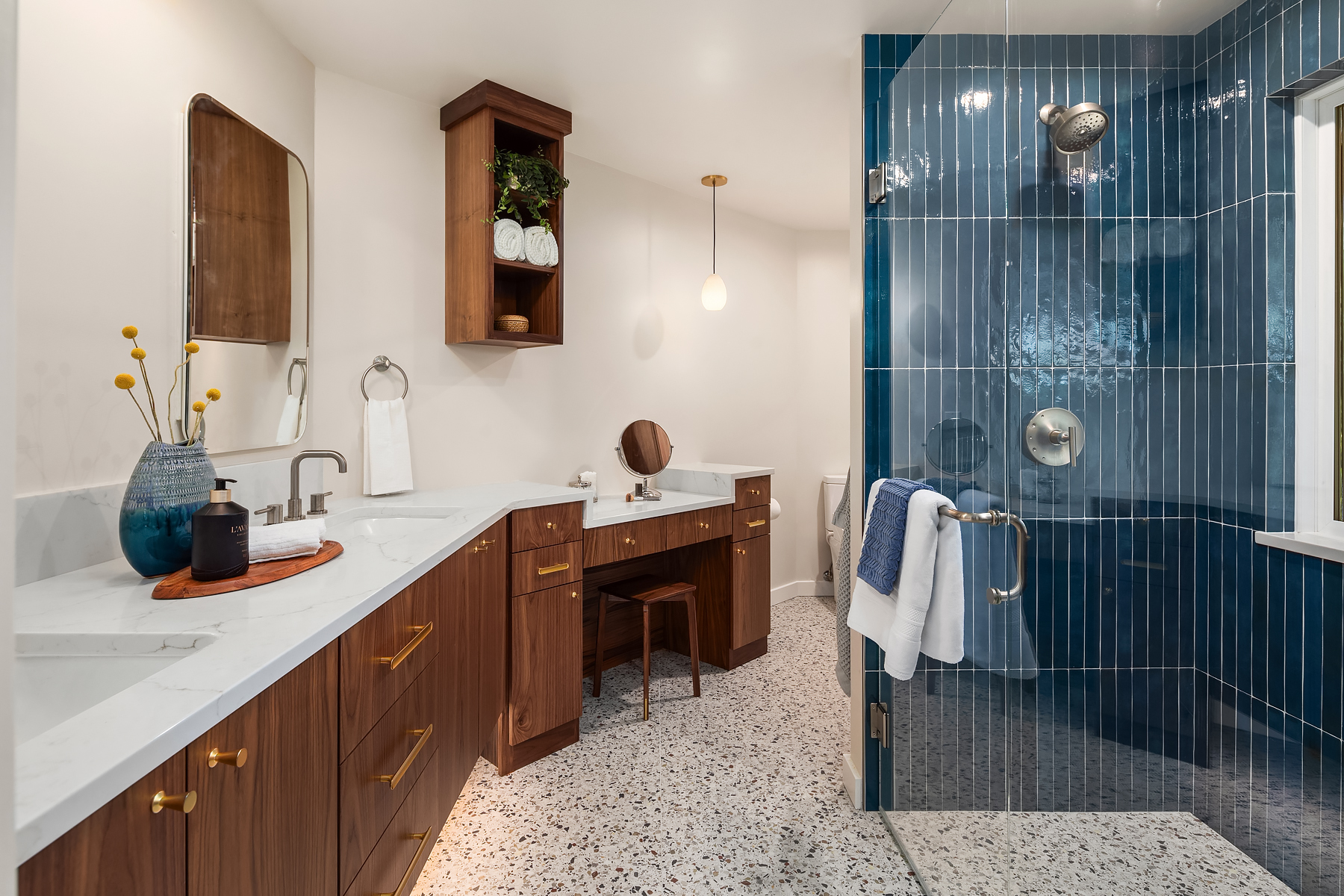
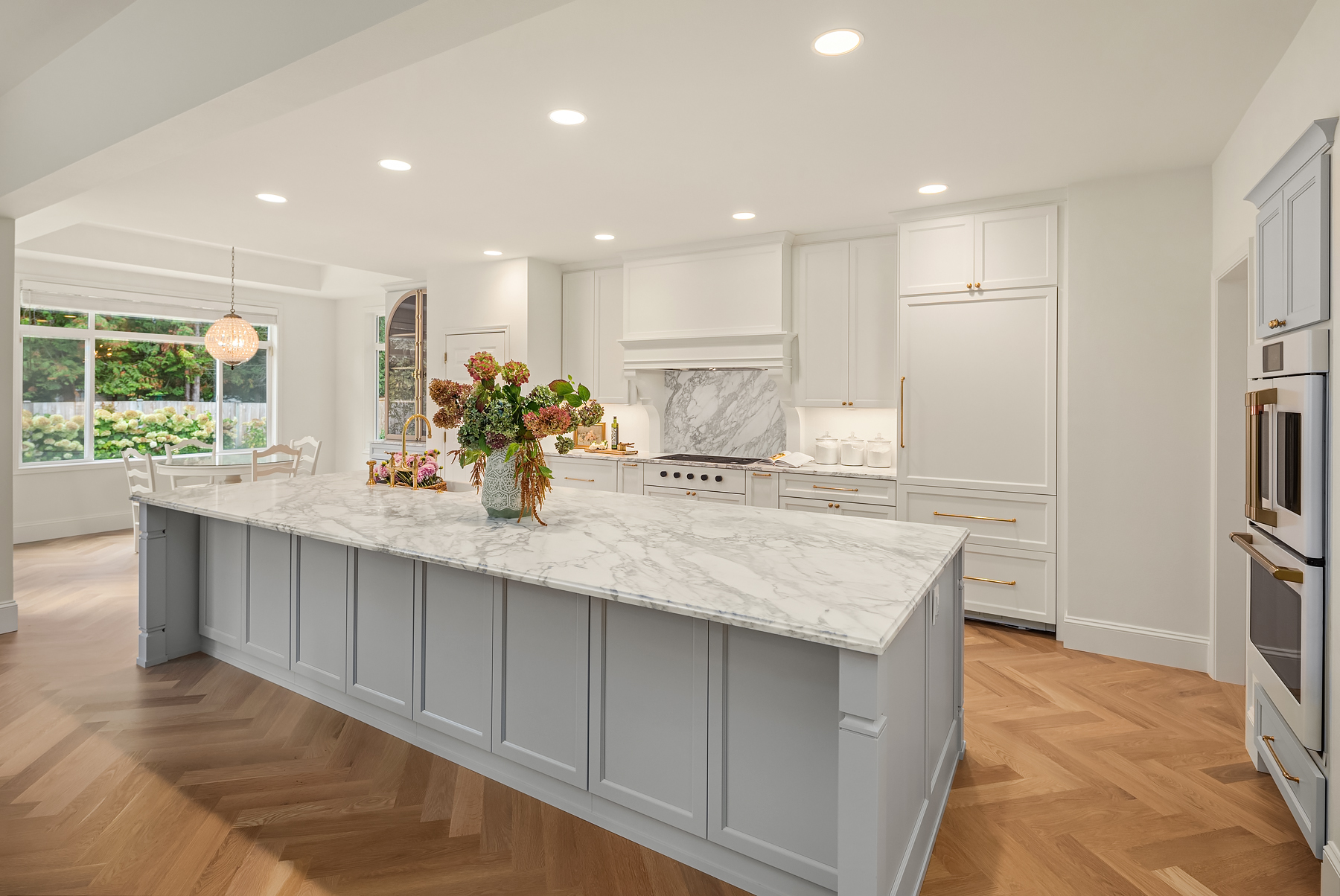
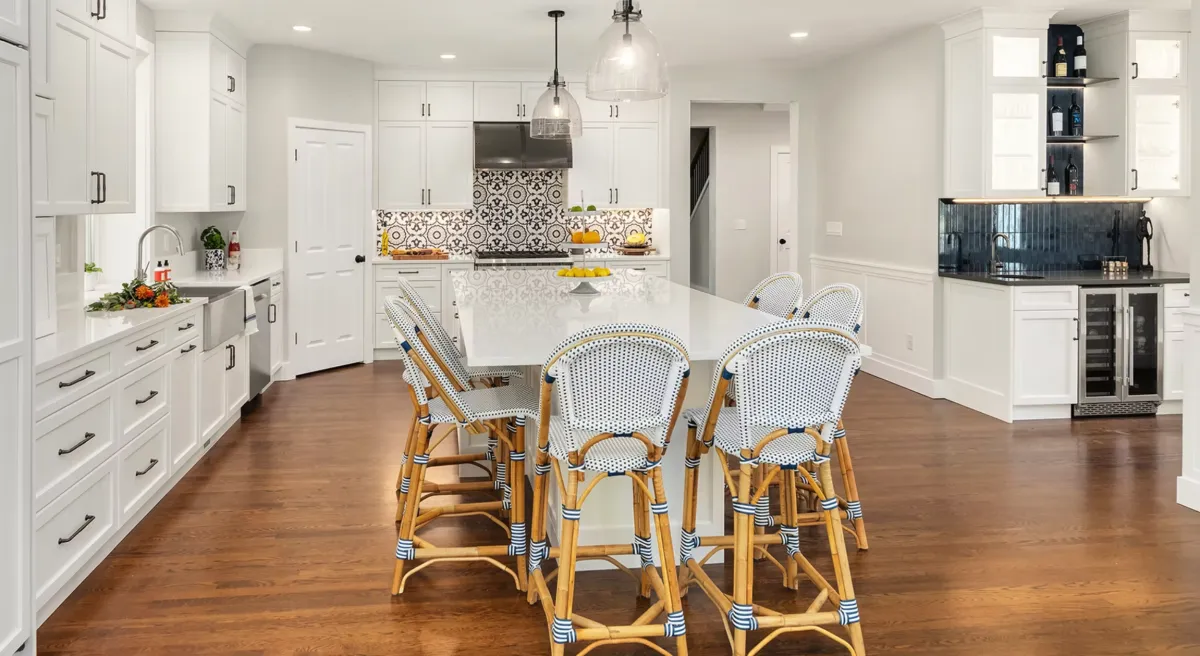
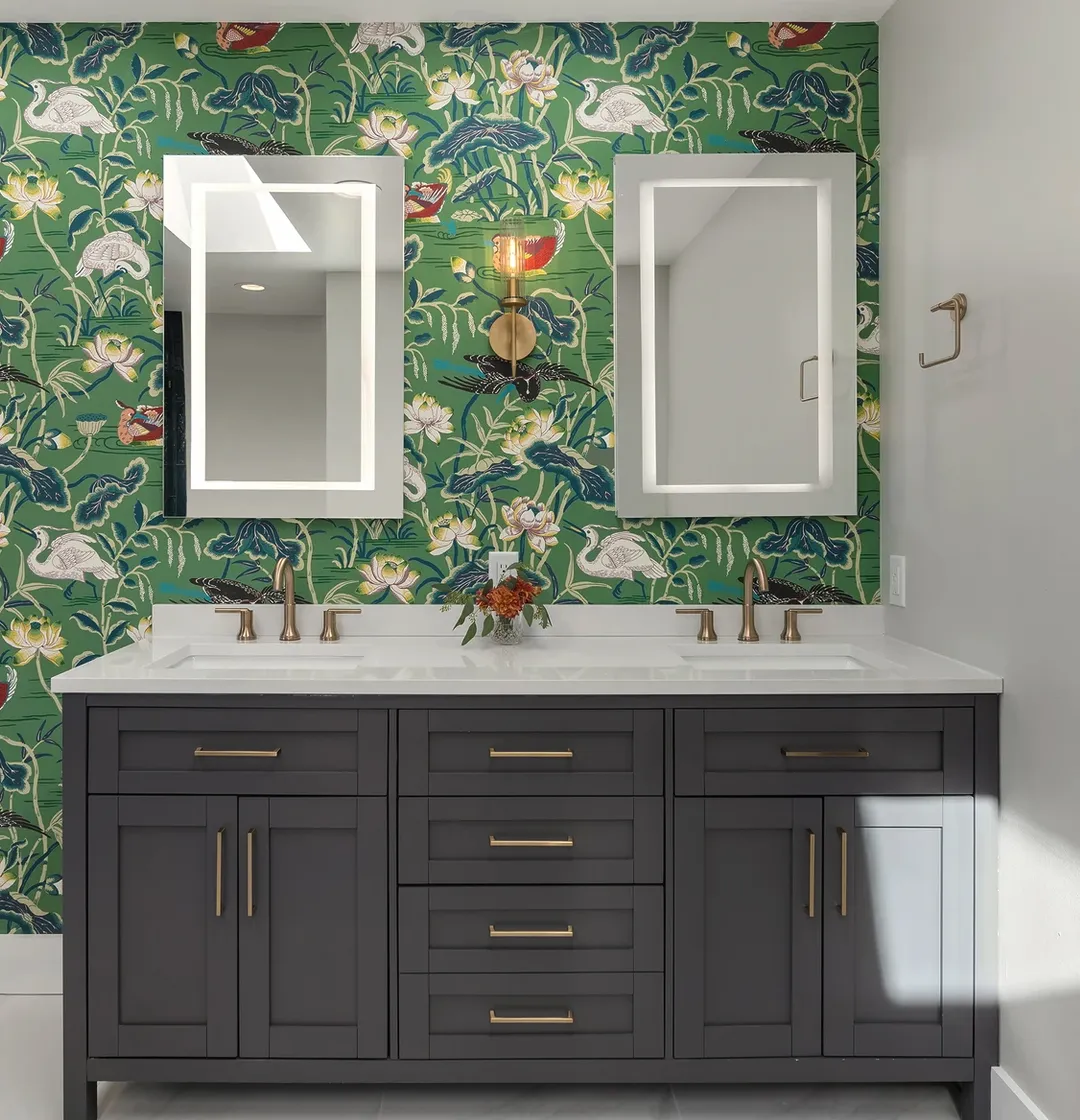
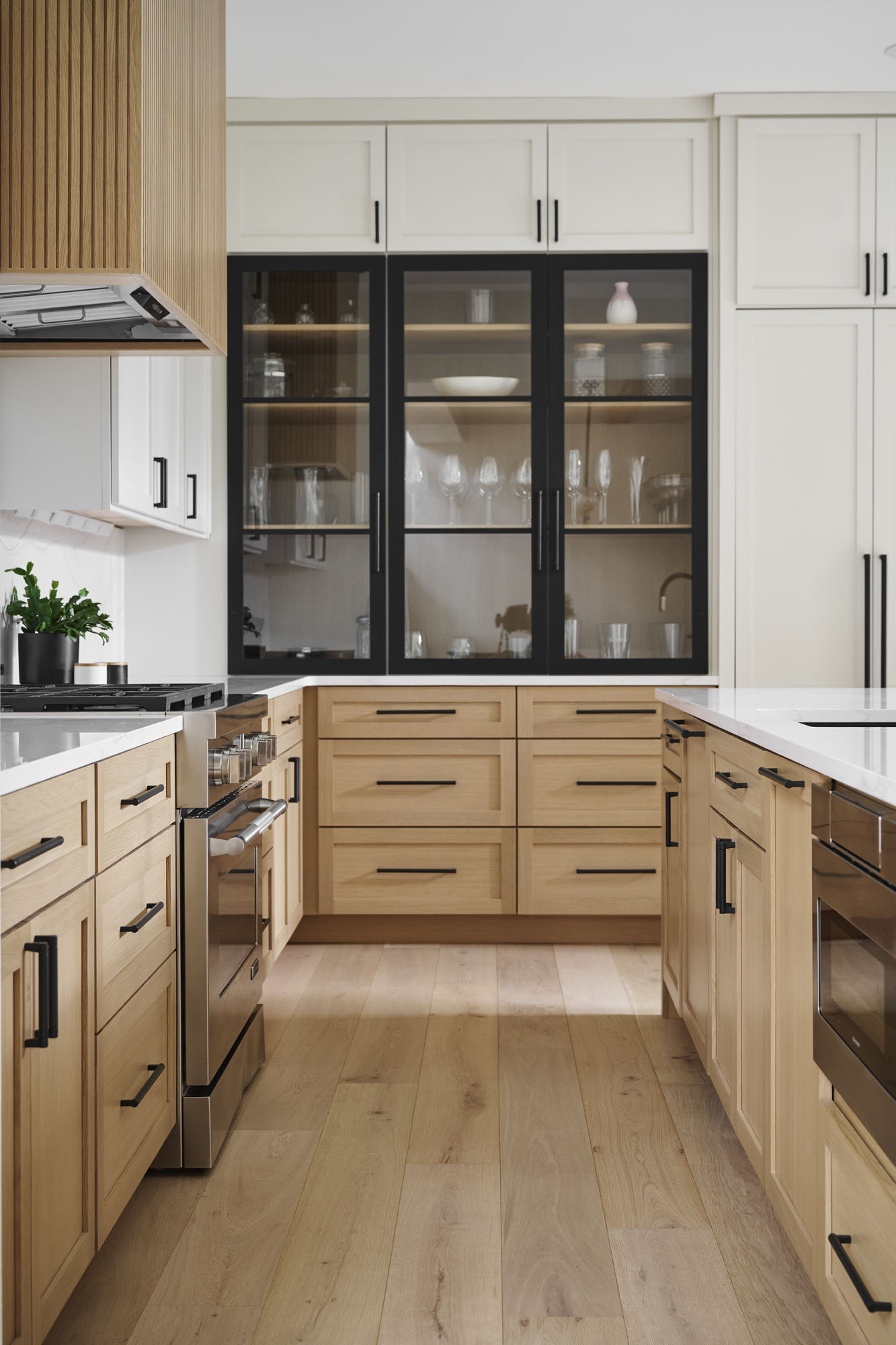
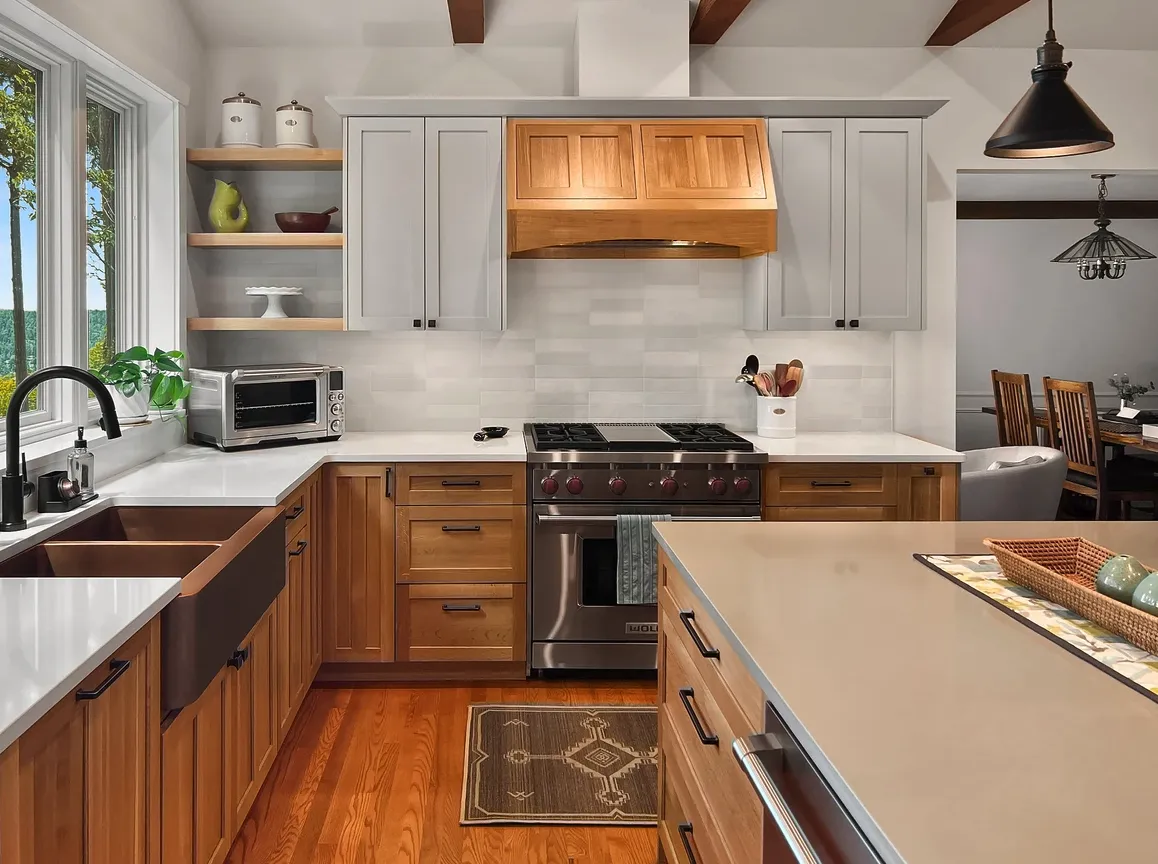
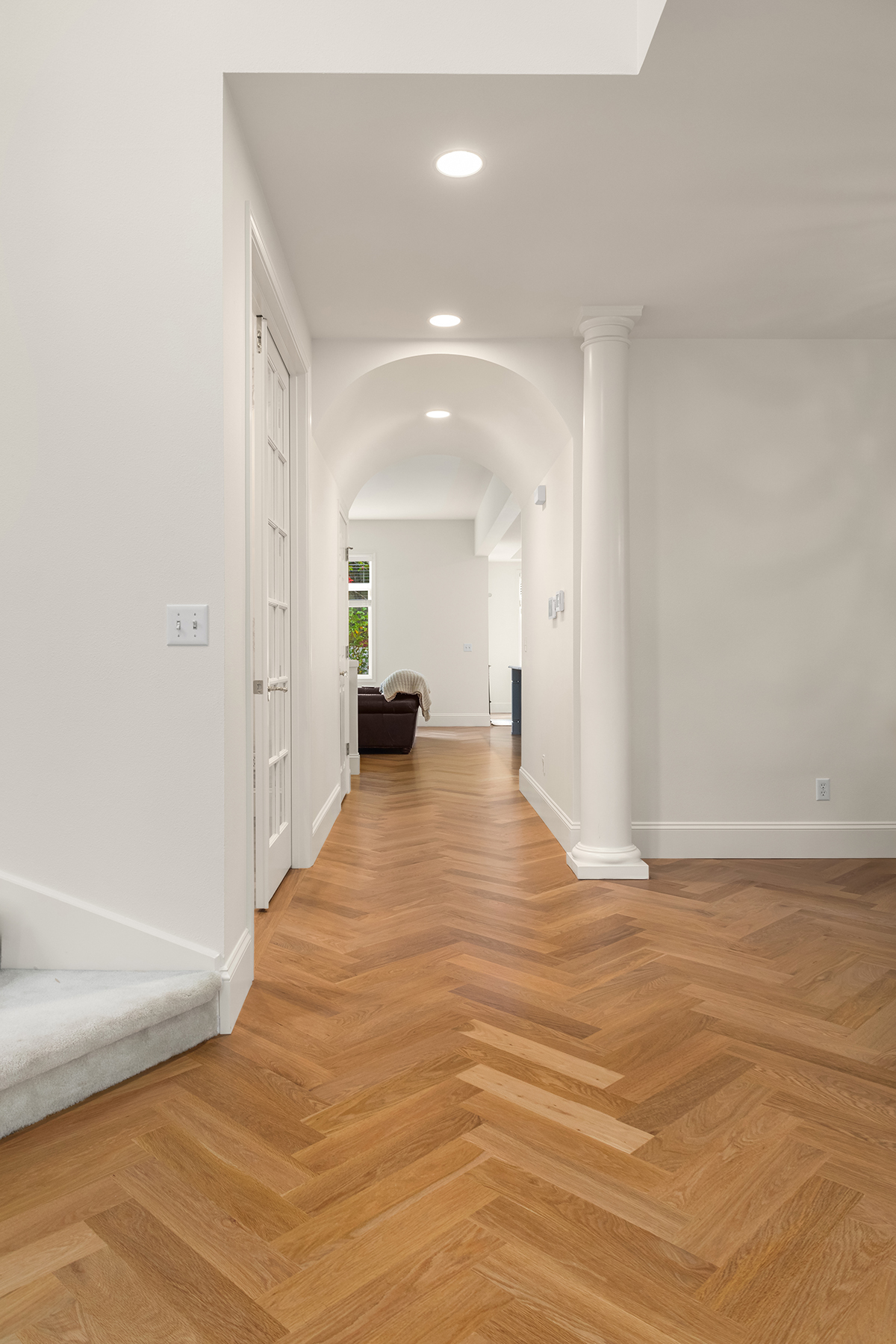
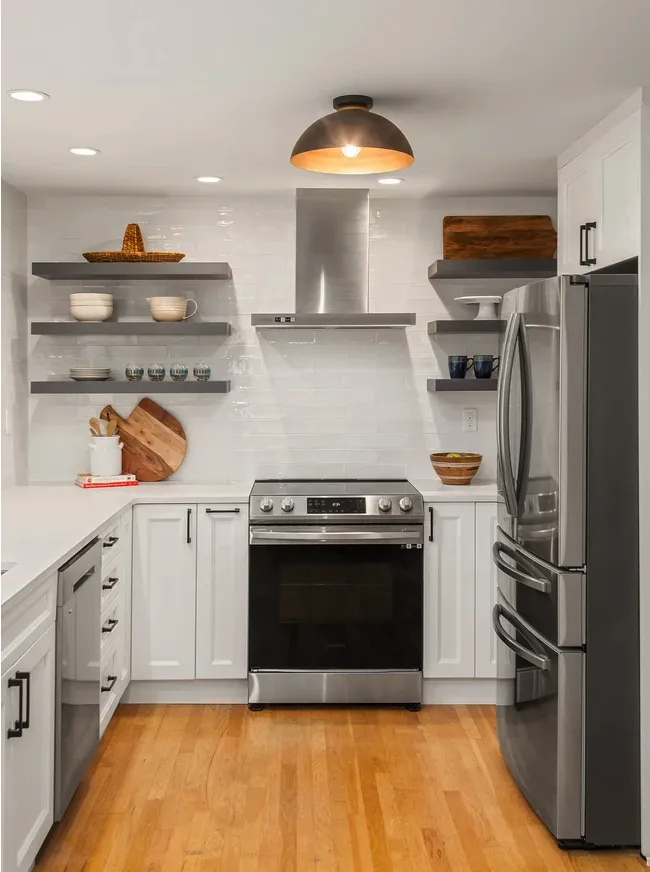
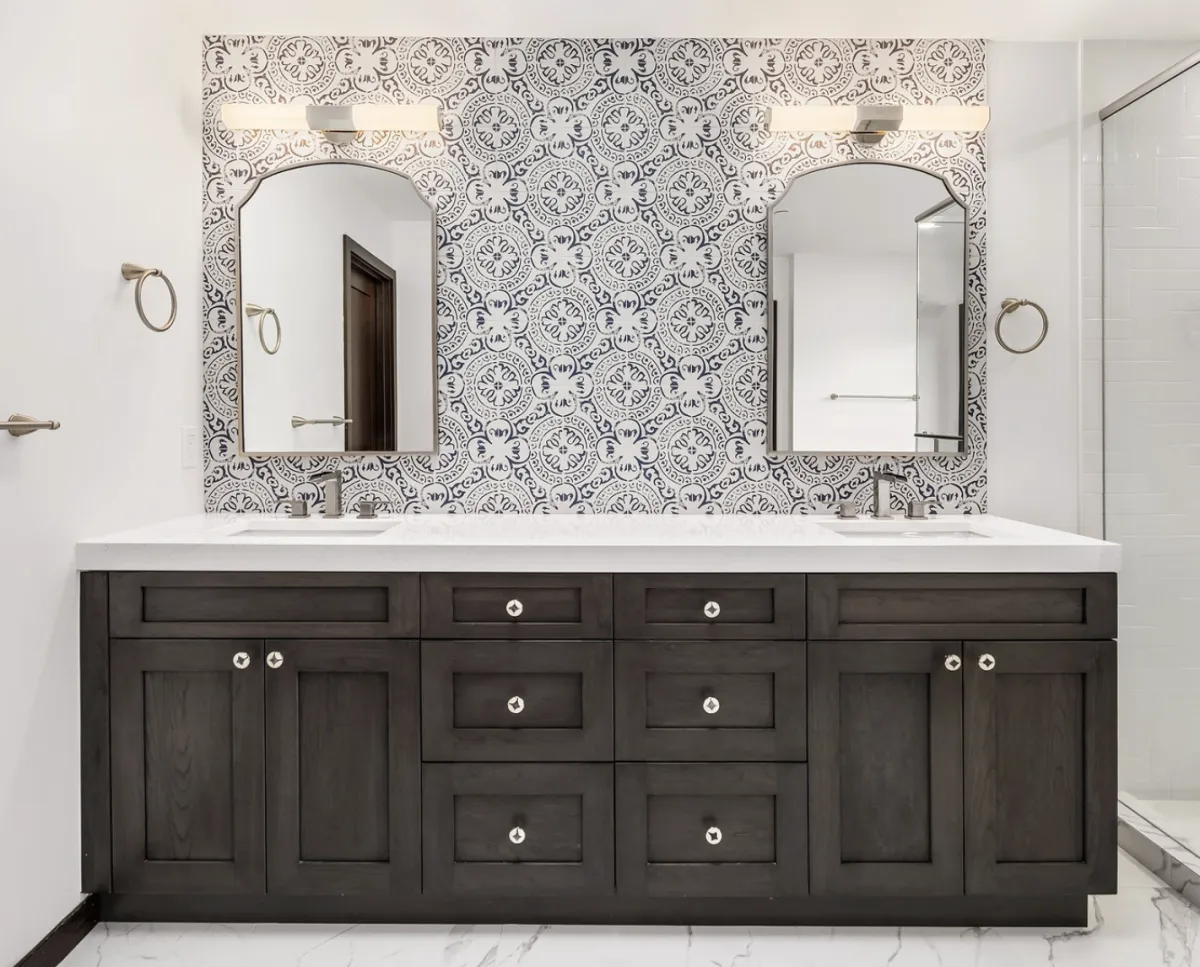
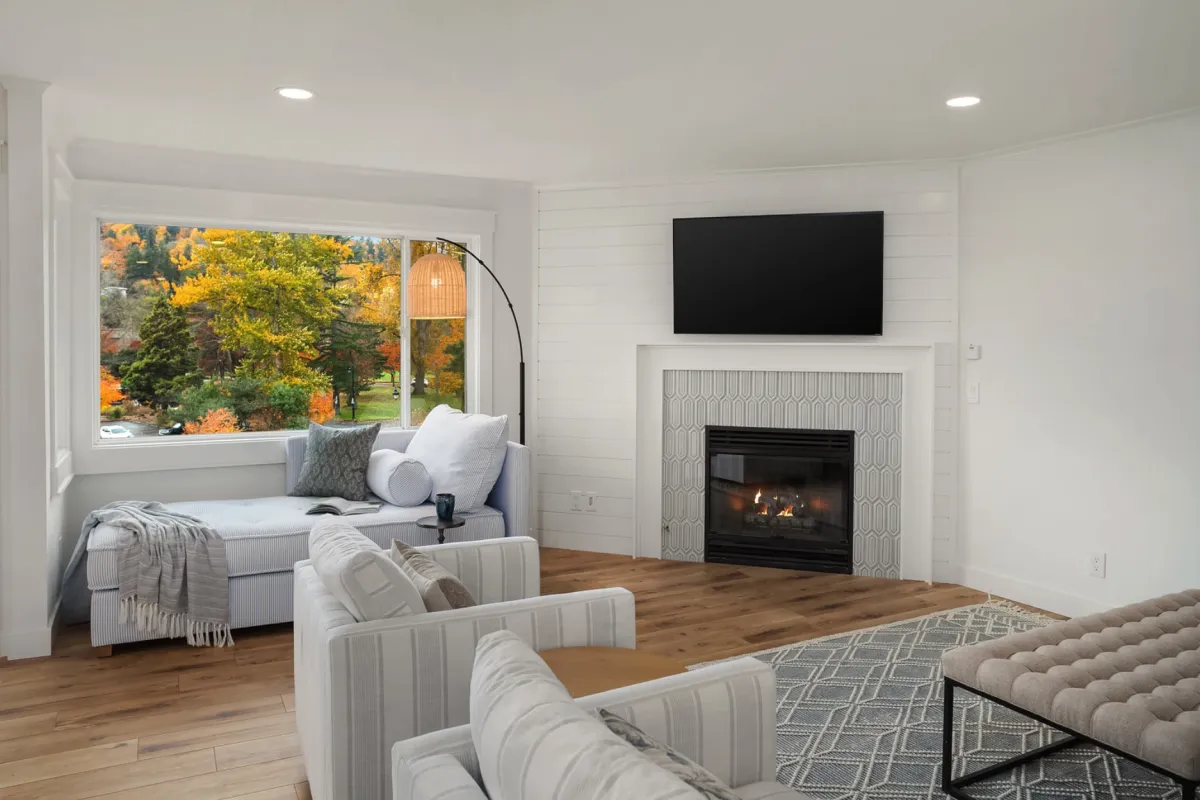
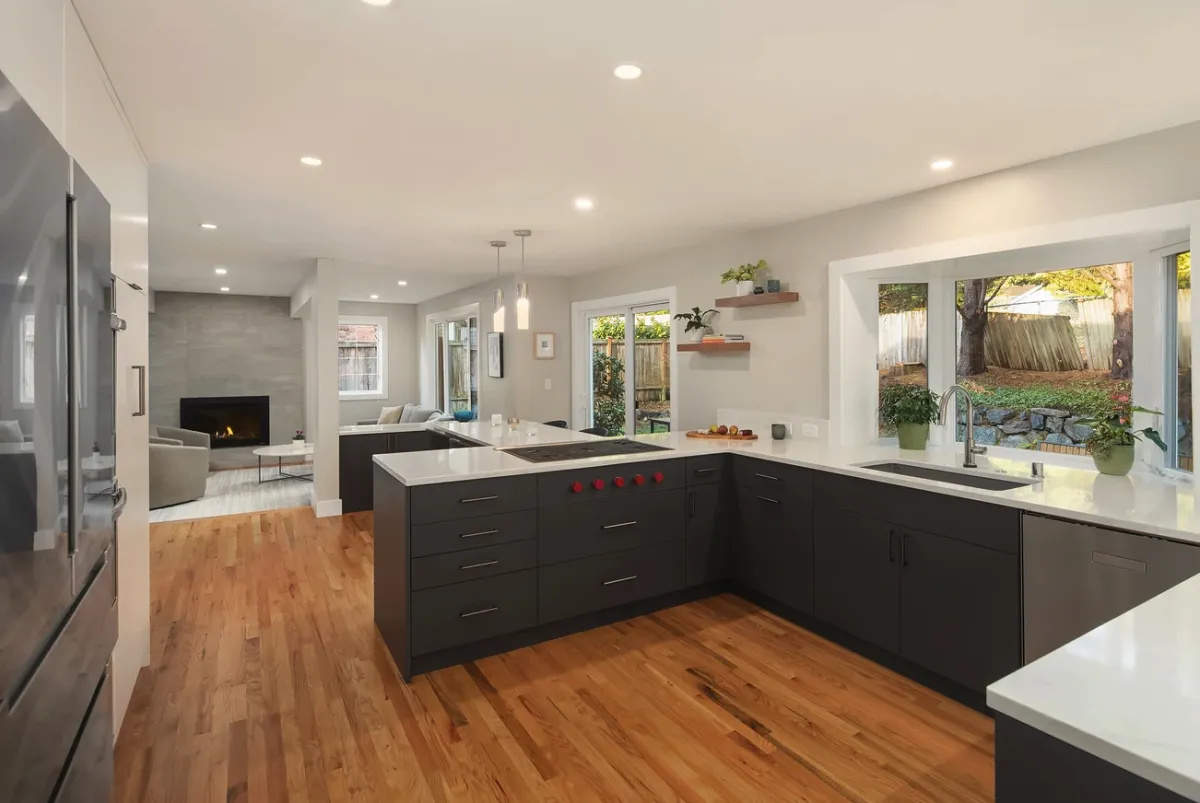
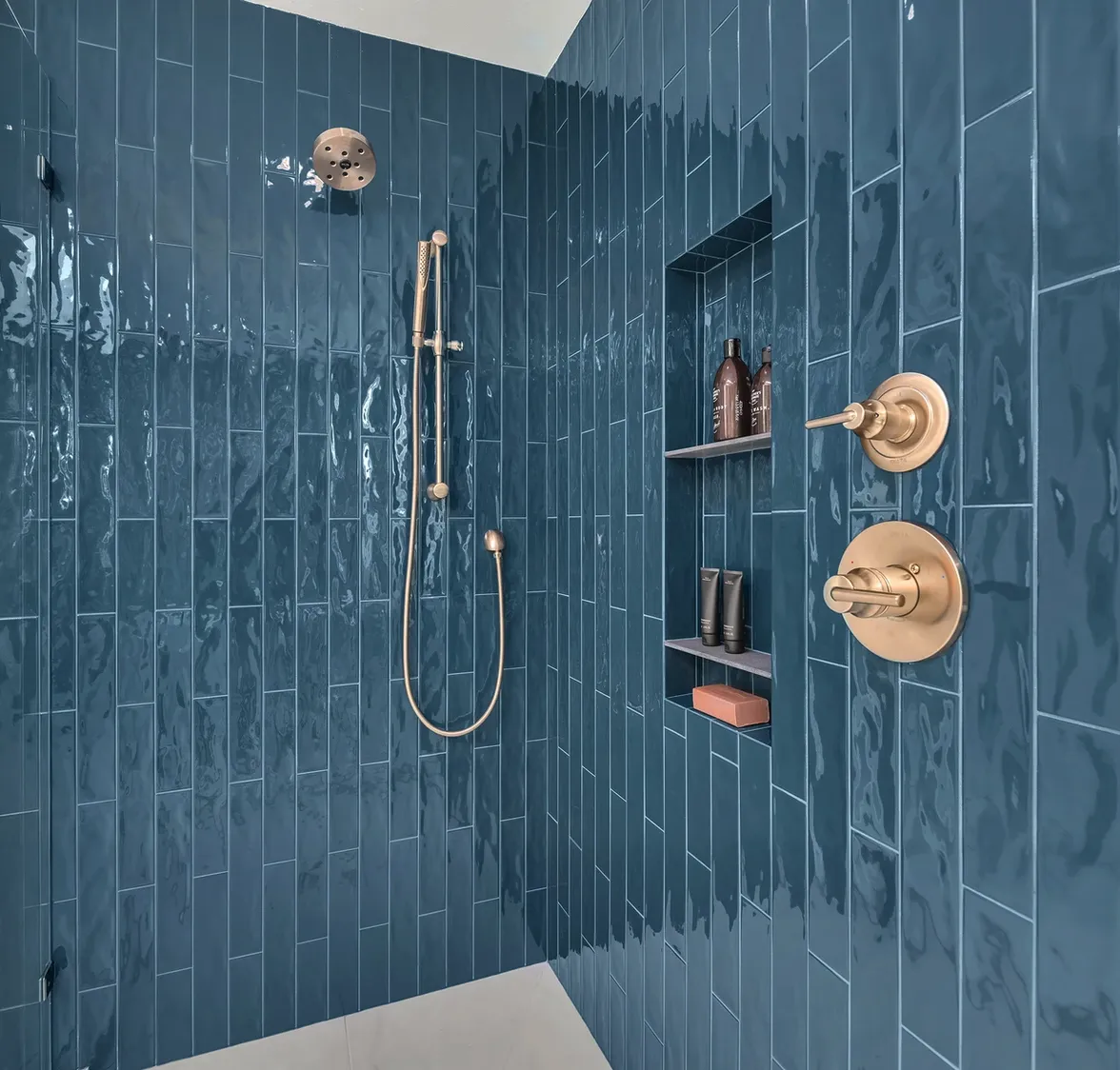
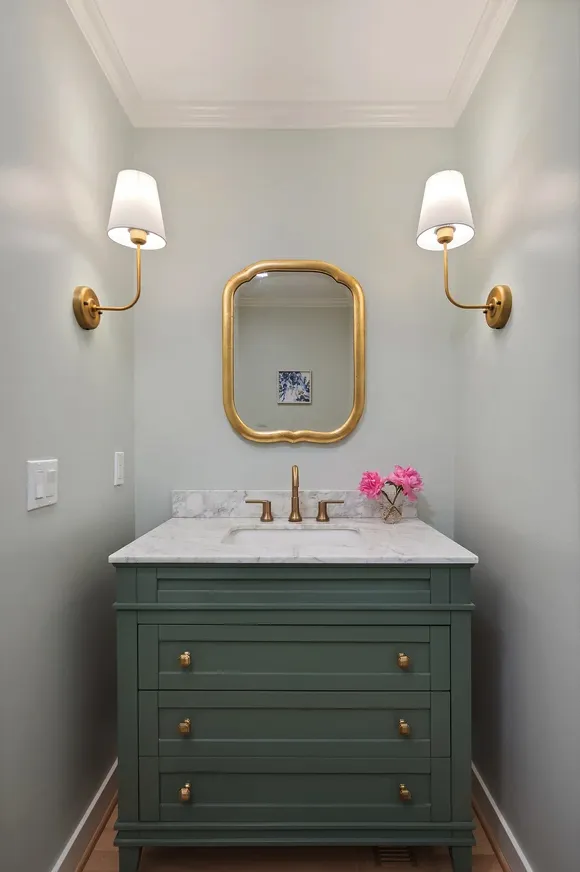
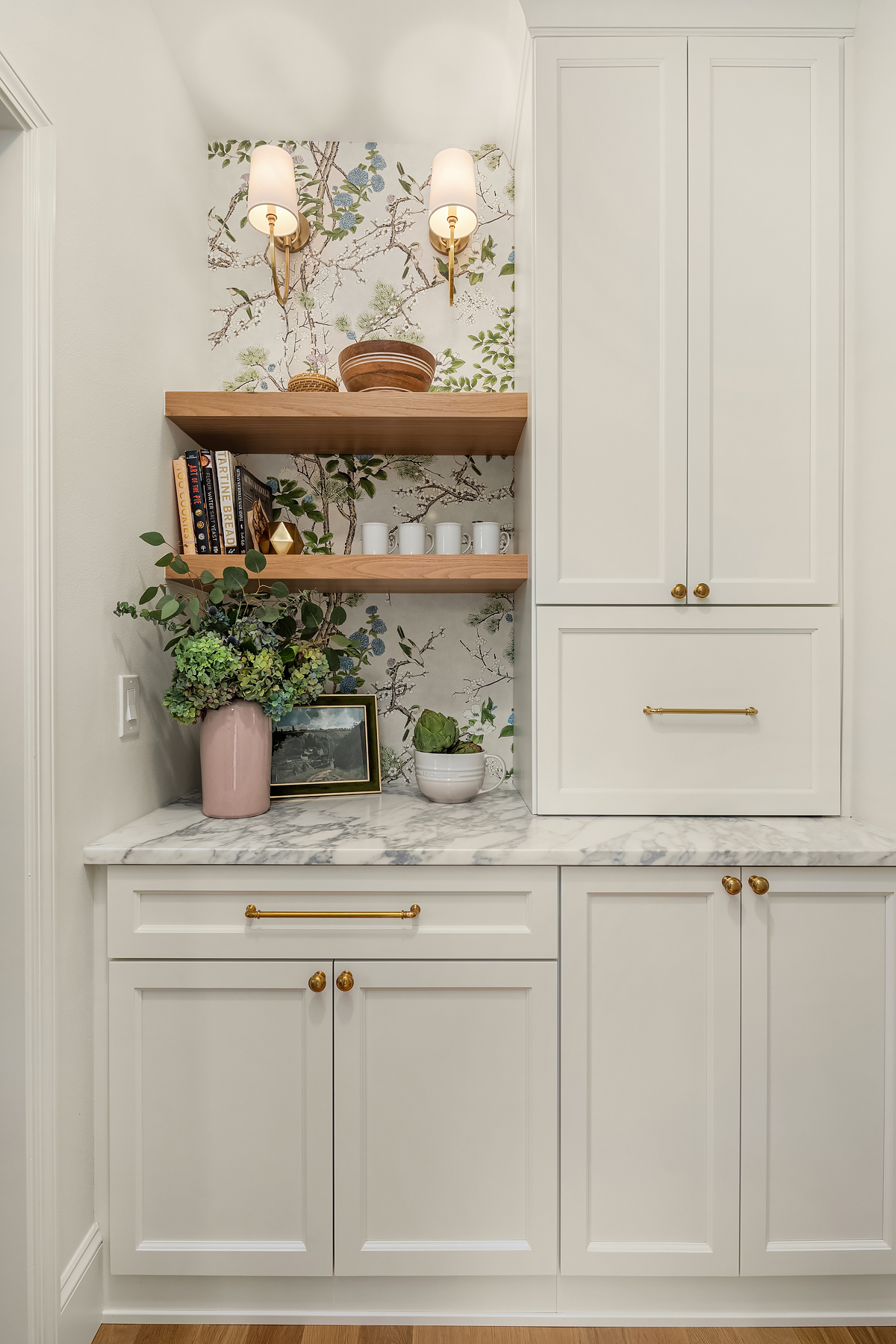
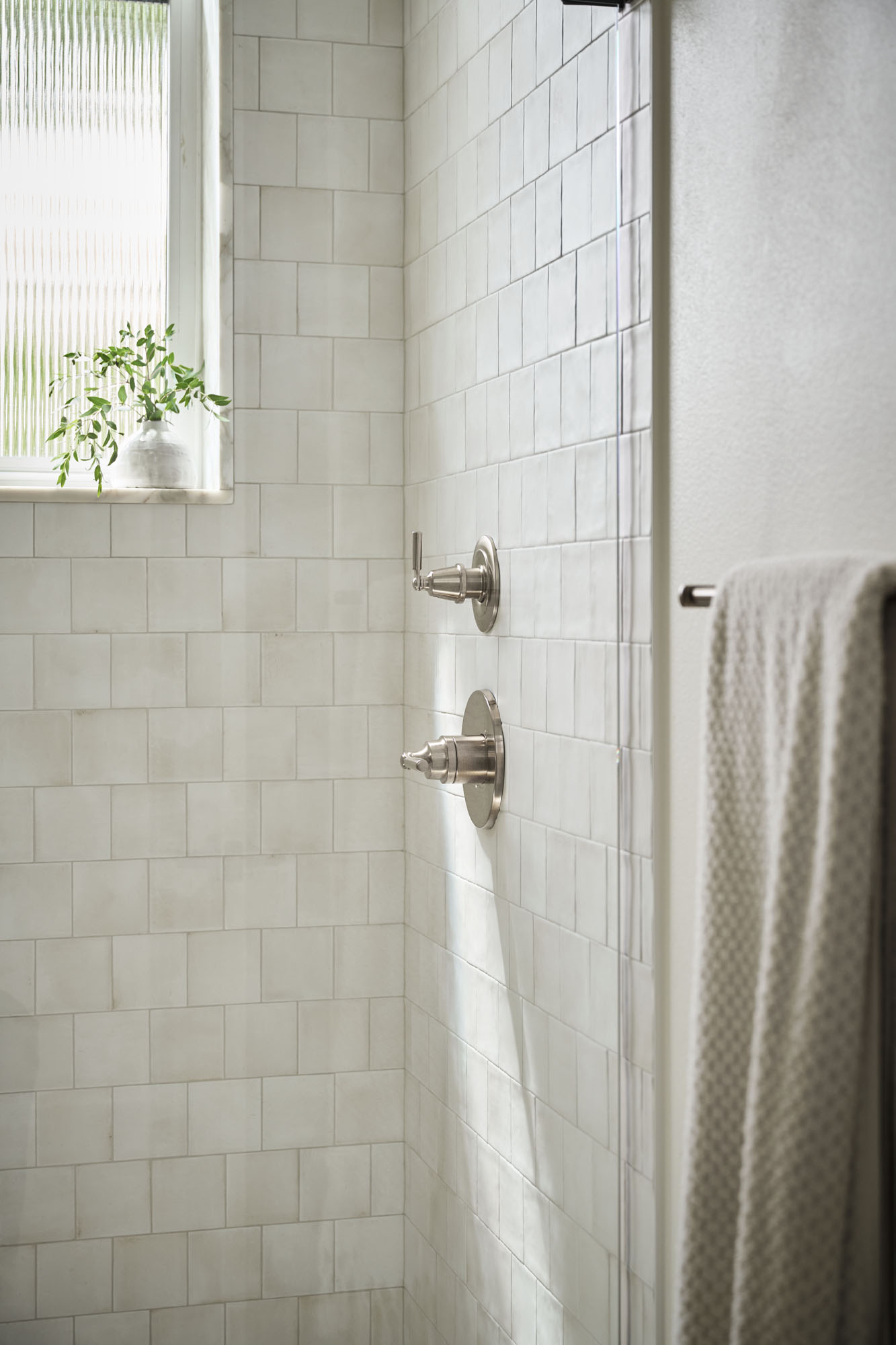
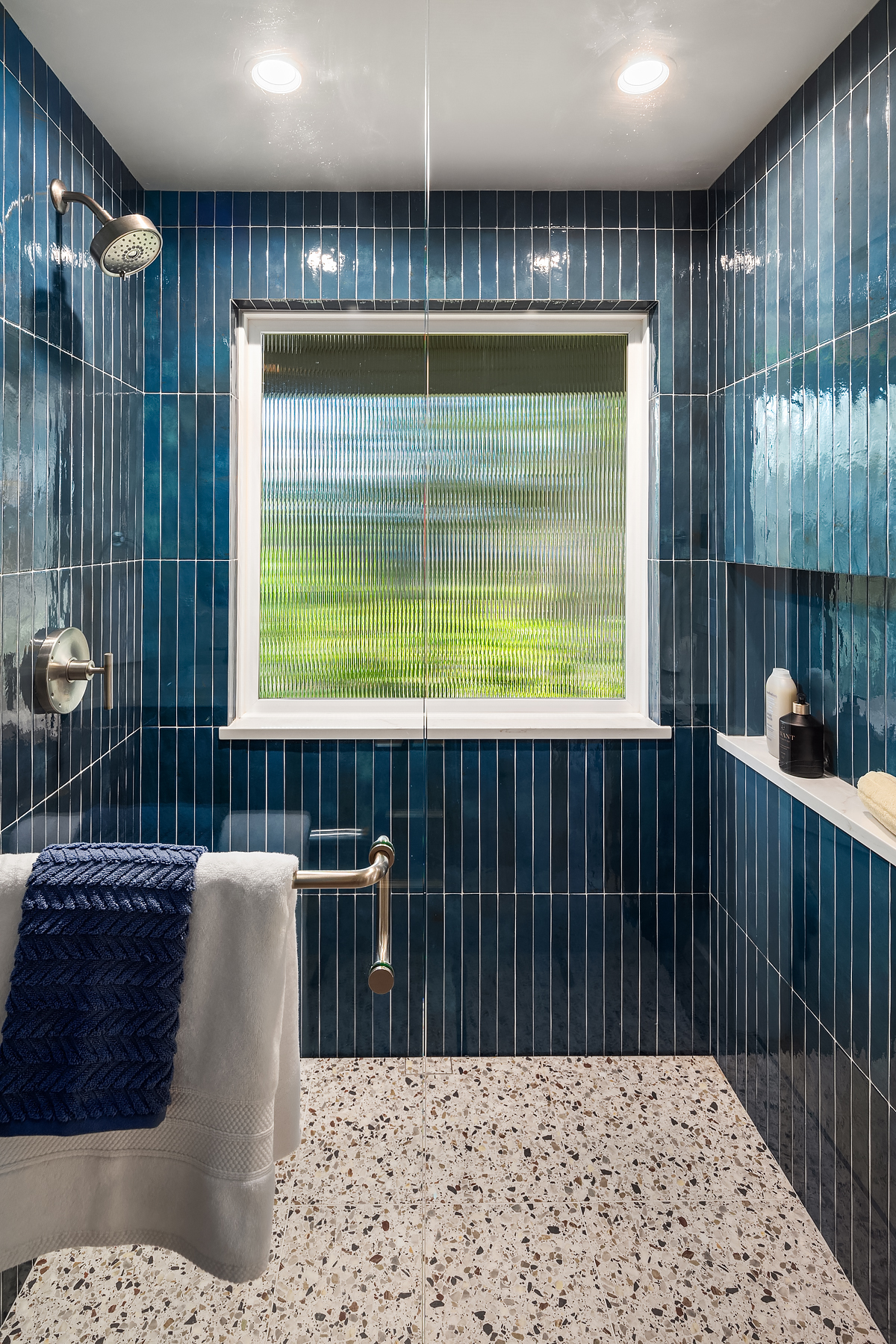
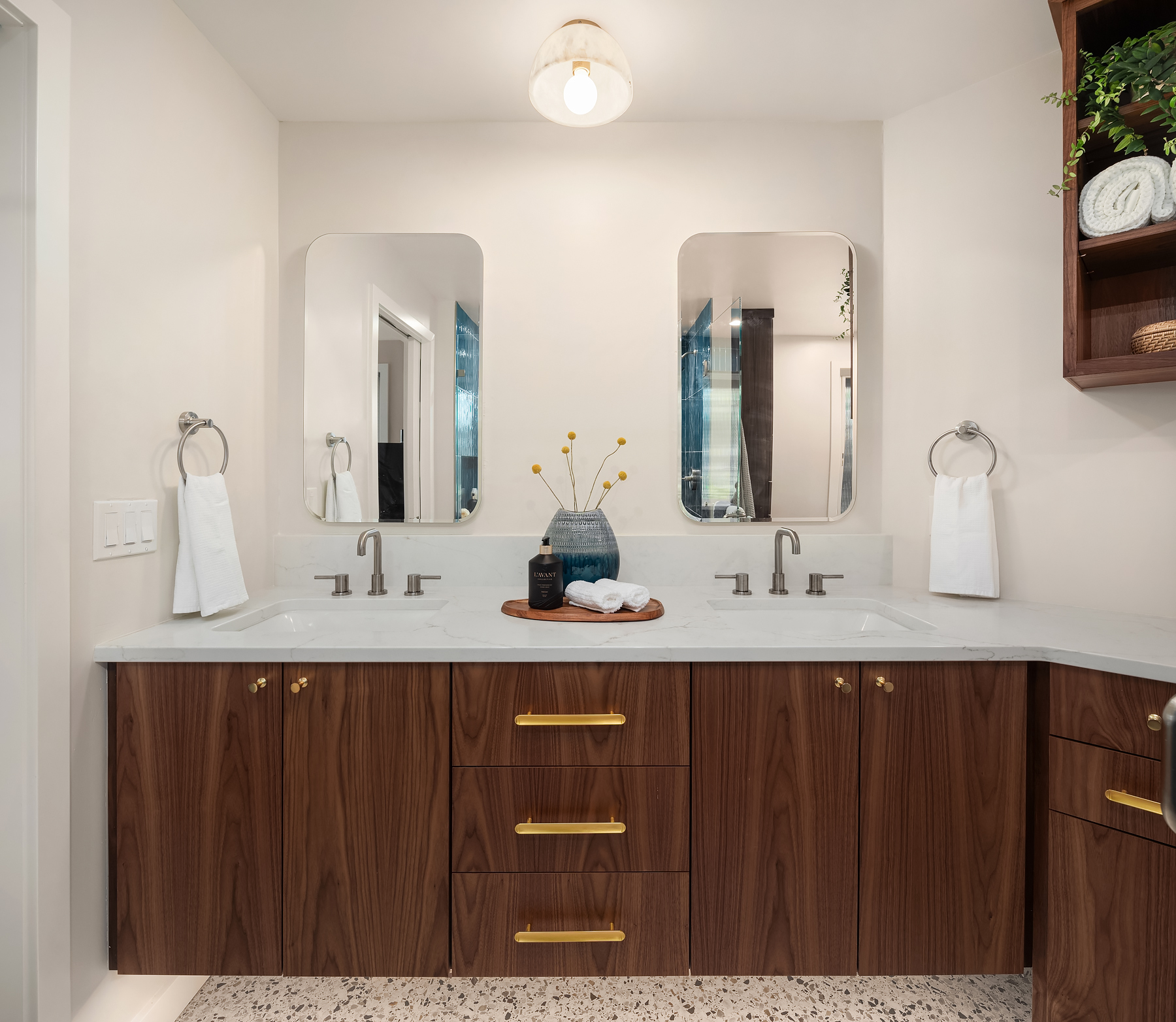
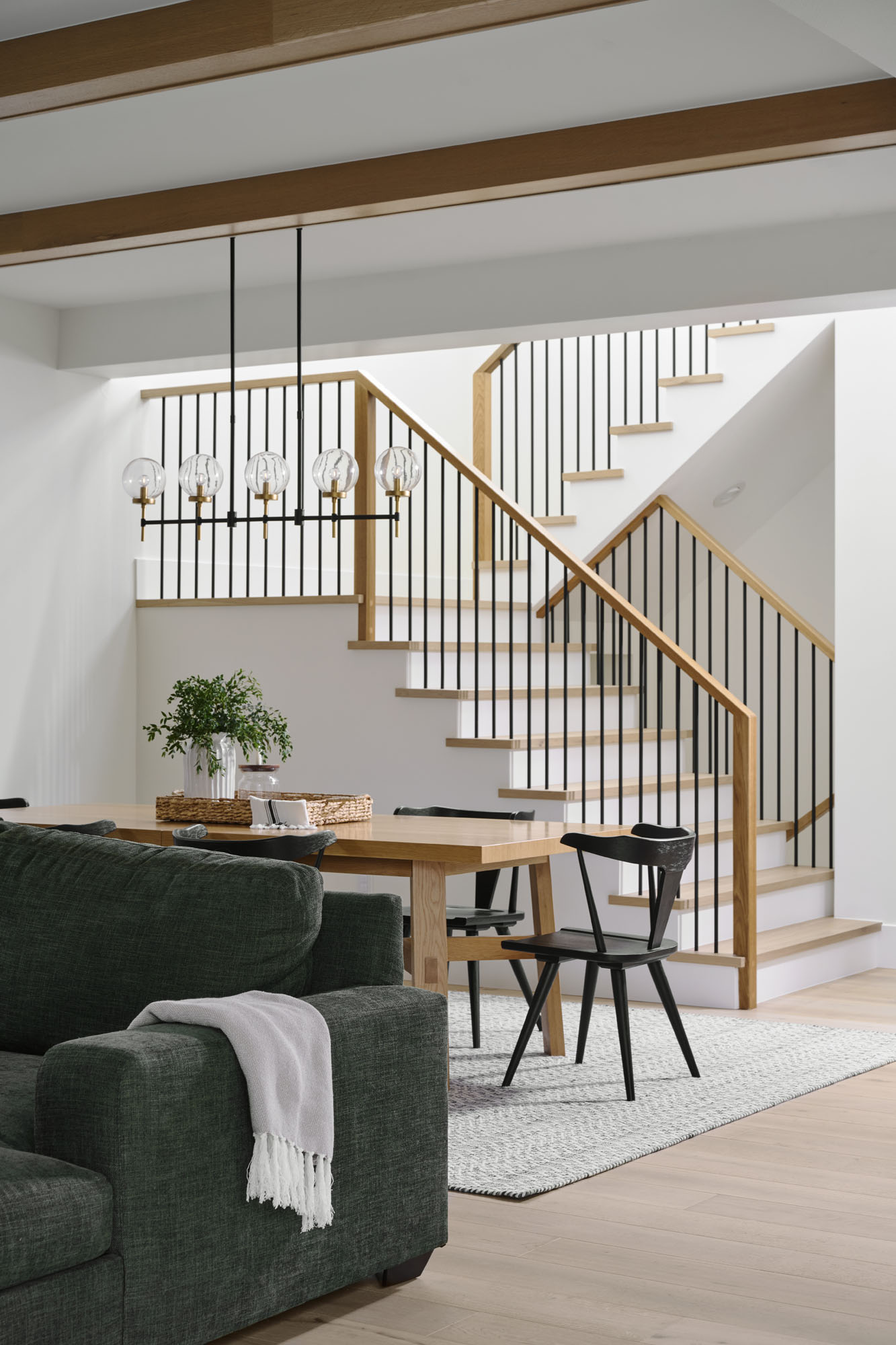
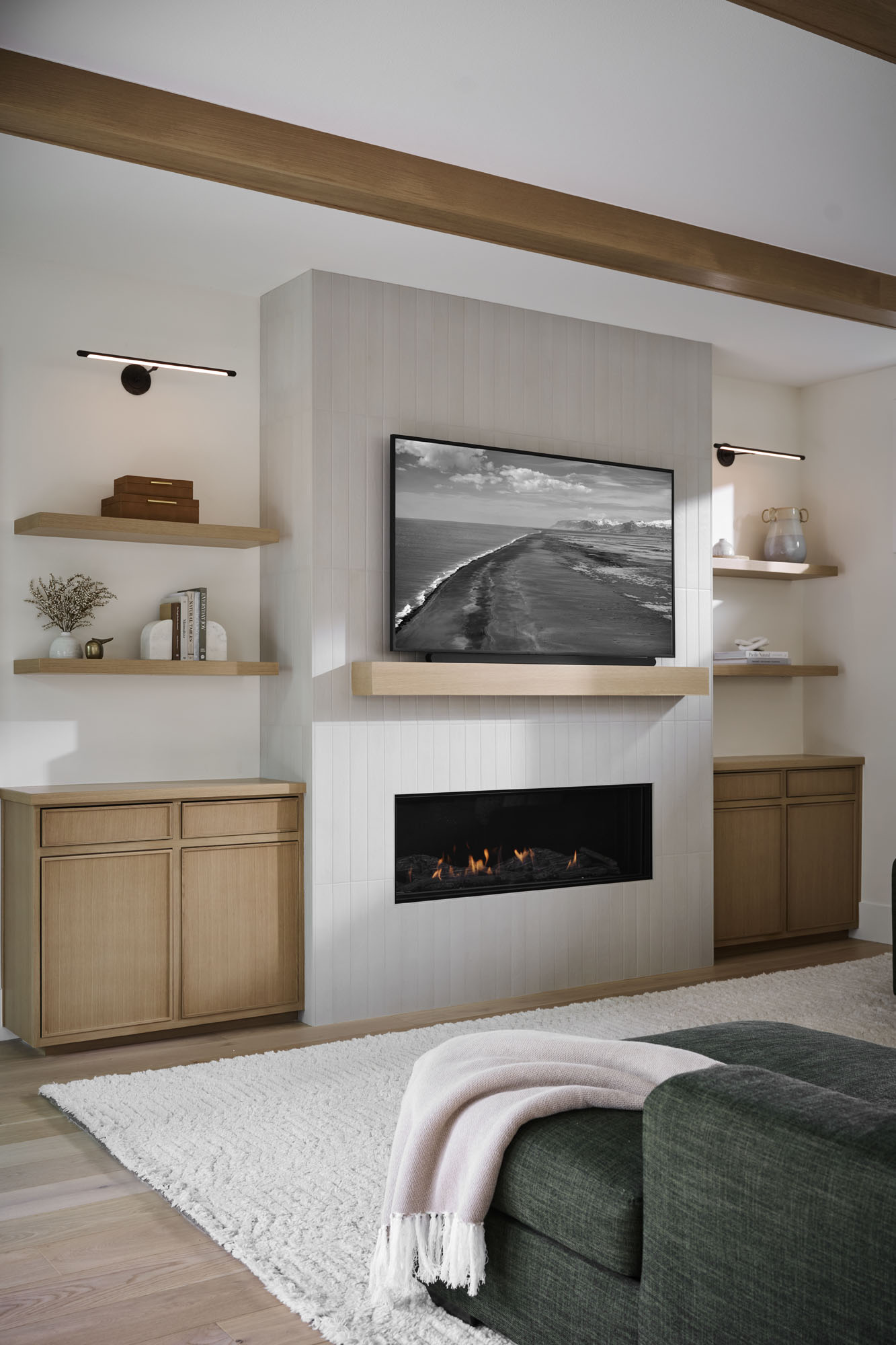
Why Choose the Total Developments Team?
When you choose Total Developments, you're not just hiring a construction crew — you're partnering with a team that has spent over 25 years earning the trust of Eastside homeowners. We believe in straight talk, reliable timelines, and keeping you informed every step of the way. Ken, Josh, Chris, and Jason are personally invested in every project, because we know the details are what turn a house into a home you'll love for years to come.
Does my project need permits?
Whether you will need permits or not depends on the type of project you're working on.
Projects that typically require a permit:
- Building a new house, garage, or addition
- Finishing a basement, attic, or garage into living space
- Adding or removing walls
- Decks more than ~30 inches high
- Retaining walls 4 ft or taller
- Electrical, plumbing, or HVAC work
- Patio covers, carports, or porches
- Detached sheds over ~200 sq ft
- Replacing windows/doors if it changes the opening size
Projects that DO NOT typically require a permit:
- Painting
- Flooring
- Cabinets or countertops
- Cosmetic interior work
- Small sheds under ~200 sq ft with no electrical/plumbing
- Low-voltage outdoor lighting
Should we hire the cheaper estimate we received?
It depends on why they’re cheaper. A lower price can be great—or a warning sign. Before deciding, compare contractors on a few key factors:
1. Scope of Work -
Make sure the bids include the same work and materials. A cheaper contractor might:
- Use lower-quality materials
- Skip steps (permits, prep work, cleanup)
- Leave out parts of the job that will become extra charges later
2. Reputation & Experience -
Check the following:
- Reviews and references
- Photos of past projects
- Years doing similar work
A contractor with solid experience may save you money by avoiding mistakes and delays.
3. Licensing, Insurance, and Permits -
Confirm they have:
- Proper licensing for your area
- Liability insurance and worker’s comp
- Willingness to pull permits if required
If they don’t, you could be financially responsible if something goes wrong.
4. Communication & Professionalism -
Notice how they handle:
- Written estimates
- Clear timelines
- Responsiveness to questions
Poor communication early usually means bigger issues during the project.
5. Price Outliers
If one bid is much lower than the others, it often means:
- They misunderstood the project
- Plan to cut corners
- Will charge change orders later
What seperates a great contractor from an average or below average contractor?
- Clear communication from the beginning of initial intro meeting. It sets the tone for the entire project and what the consumer gets.
- Detailed planning and organizing.
- Quality control of project of trades.
- Finical transparency.
- Problem solving ability.
- Reputation and reviews.
Do we need a designer?
Whether you need a designer or not typically depends on the scope of the project.
You probably don’t need a designer when:
- You’re doing simple updates (paint, flooring, fixtures)
- You already know exactly what you want
The layout isn’t changing
- Your contractor helps with basic selections
Example: replacing cabinets, countertops, and appliances in the same layout.
- A good contractor can often handle this without a separate designer.
A designer is very helpful when:
- You’re changing the layout
- Moving plumbing, walls, or electrical
- Doing a kitchen or bathroom gut remodel
- You want a cohesive style and material plan
- You’re overwhelmed with hundreds of product choices
Designers also help prevent costly problems like:
- Cabinets not fitting
- Bad traffic flow
- Lighting placed incorrectly
- Materials that clash
Contact
(206) 339-3974
Service Areas
Redmond | Bellevue | Seattle
Sammamish | Issaquah | Woodinville

