
Kitchen Remodeling
Redmond · Bellevue · Kirkland · Sammamish · Issaquah · Woodinville · Mercer Island · Seattle Eastside
Total Developments designs and builds kitchens that are as functional as they are beautiful — serving homeowners across Bellevue, Kirkland, Redmond, Sammamish, and the Greater Seattle Eastside for over 25 years.
Kitchen Remodeling | Bellevue, Kirkland, Redmond & Sammamish
Custom Kitchen Remodels
Built Around the Way You Live
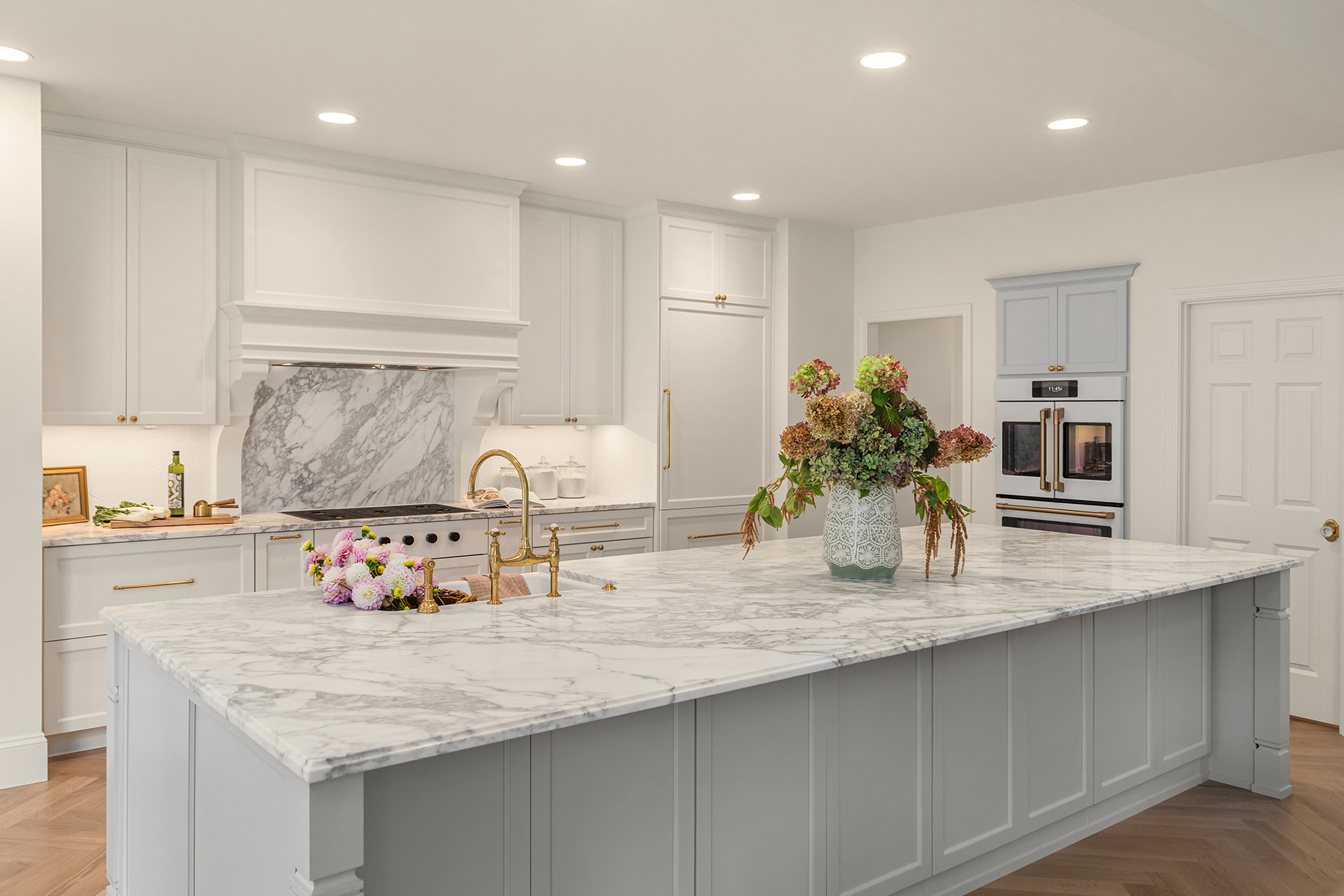
The kitchen is where your family gathers, where meals become memories, and where design and function have to work together perfectly. At Total Developments, we approach every kitchen remodel as a fully custom project — because no two kitchens, and no two families, are the same.
Whether you're refreshing an outdated space, opening up your layout, or starting completely from scratch, our team brings over 25 years of hands-on craftsmanship to every detail. From the initial design conversation to the final cabinet pull, our team is personally invested in getting it right.
Kitchen Remodeling | Bellevue, Kirkland, Redmond & Sammamish
What We Handle
Custom cabinetry & storage solutions
Countertop selection & installation
Layout redesign & space planning
Full permit management
Lighting design & electrical upgrades
Flooring, backsplash & tile work
How we work
Our Process
In-Home Consultation
We start by coming to you. We'll walk through your space, listen to your vision, and talk honestly about what's possible — your goals, your timeline, and your budget. No pressure, no hard sell.
Design & Planning
Once we understand your vision, we get to work on the details. We'll help you work through layouts, materials, and design choices — making sure every decision reflects how you use your kitchen.
Detailed Proposal
You'll receive a clear, itemized proposal outlining the full scope of work, timeline, and investment. No vague estimates, no surprise costs — just straight talk from a team you can trust.
Permits & Pre-Construction
We handle all permitting and pre-construction coordination. Our team manages the details behind the scenes to keep your project moving on schedule from day one.
Construction
Our team is on-site and hands-on throughout the entire build — maintaining quality, communicating progress, and making sure every detail is executed to our standard.
Final Walkthrough
When the work is done, we walk through your new kitchen together. We don't consider a project complete until you're fully satisfied — and we stand behind our work long after the last nail is in.
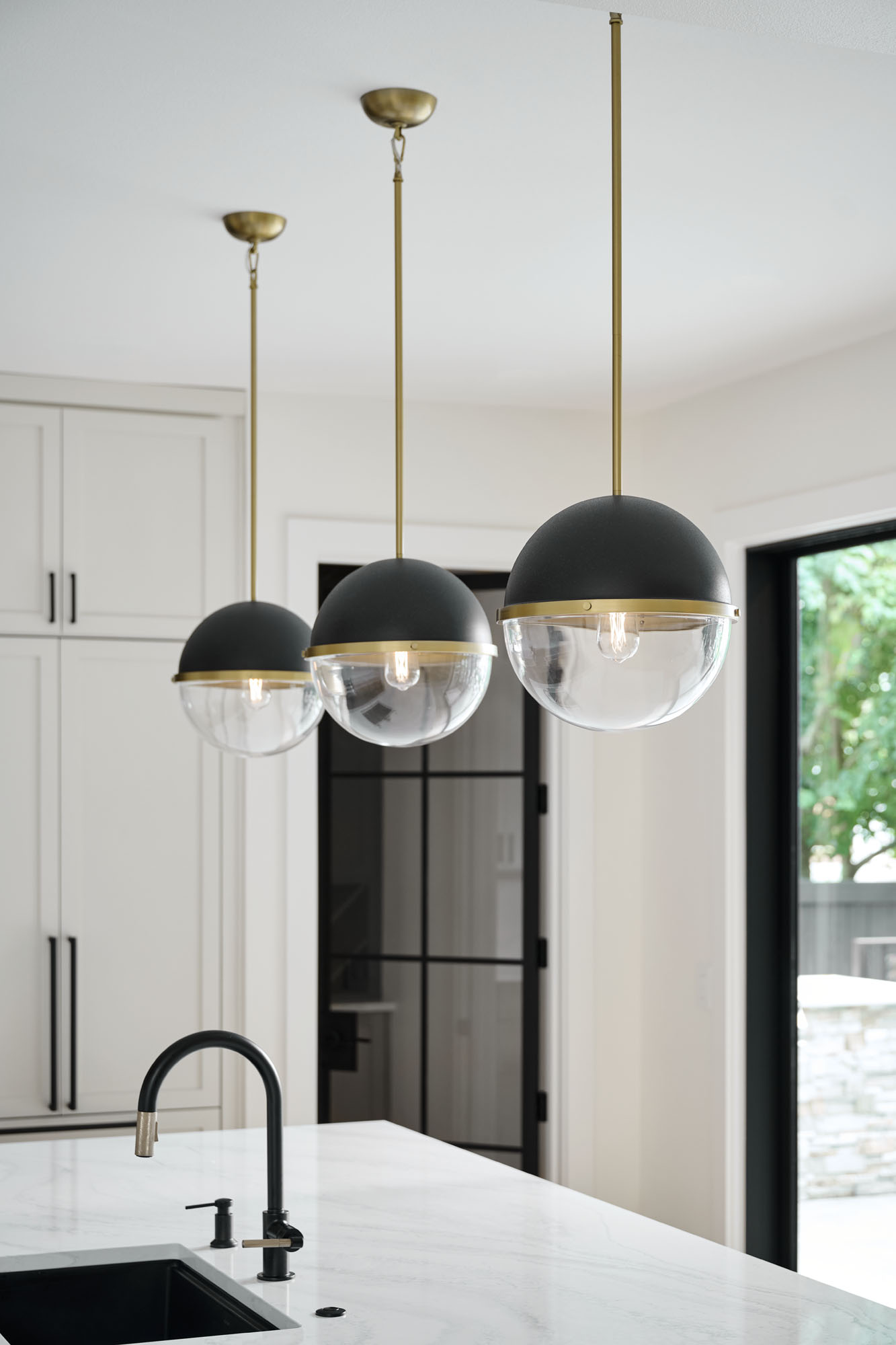
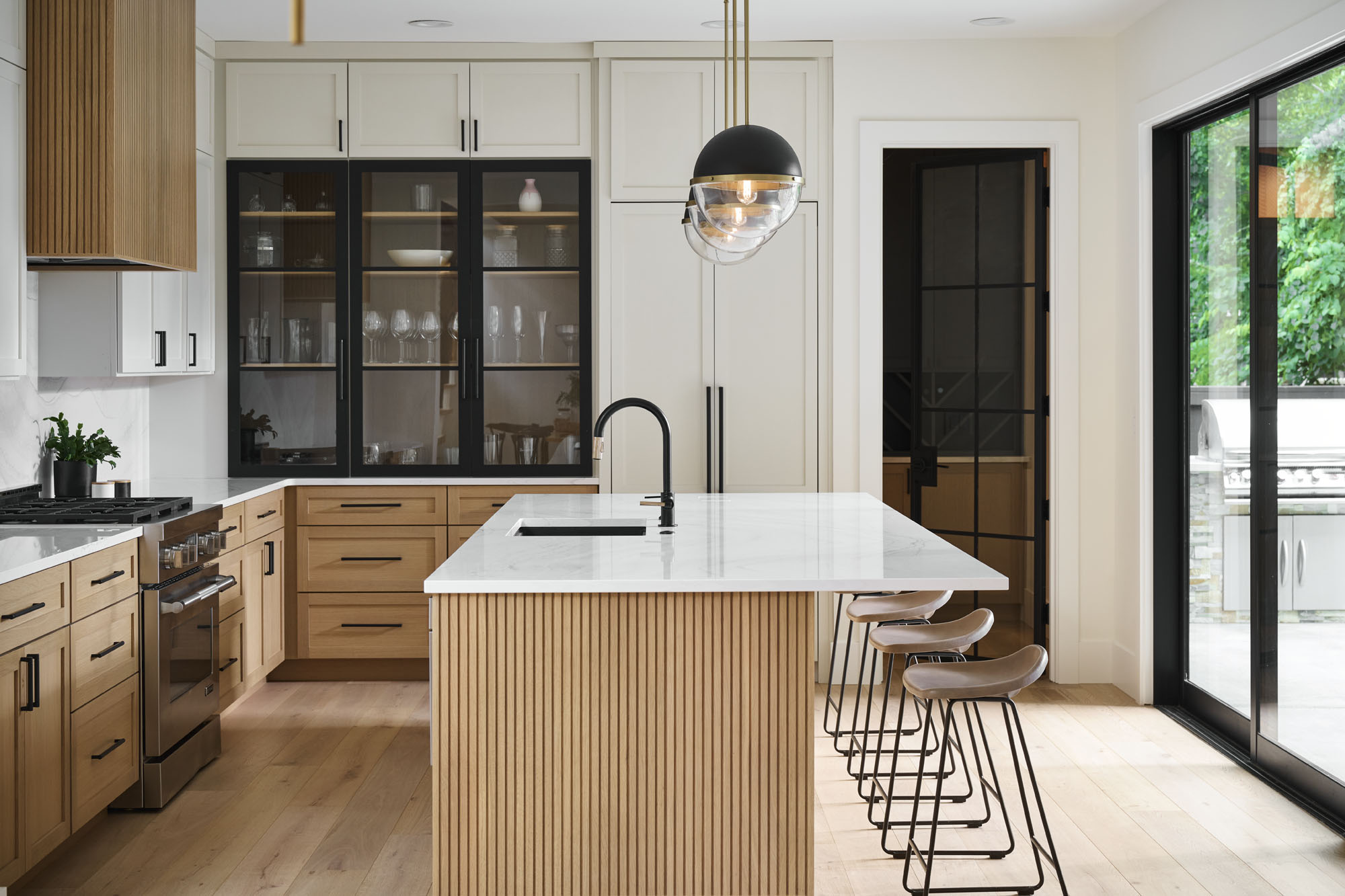
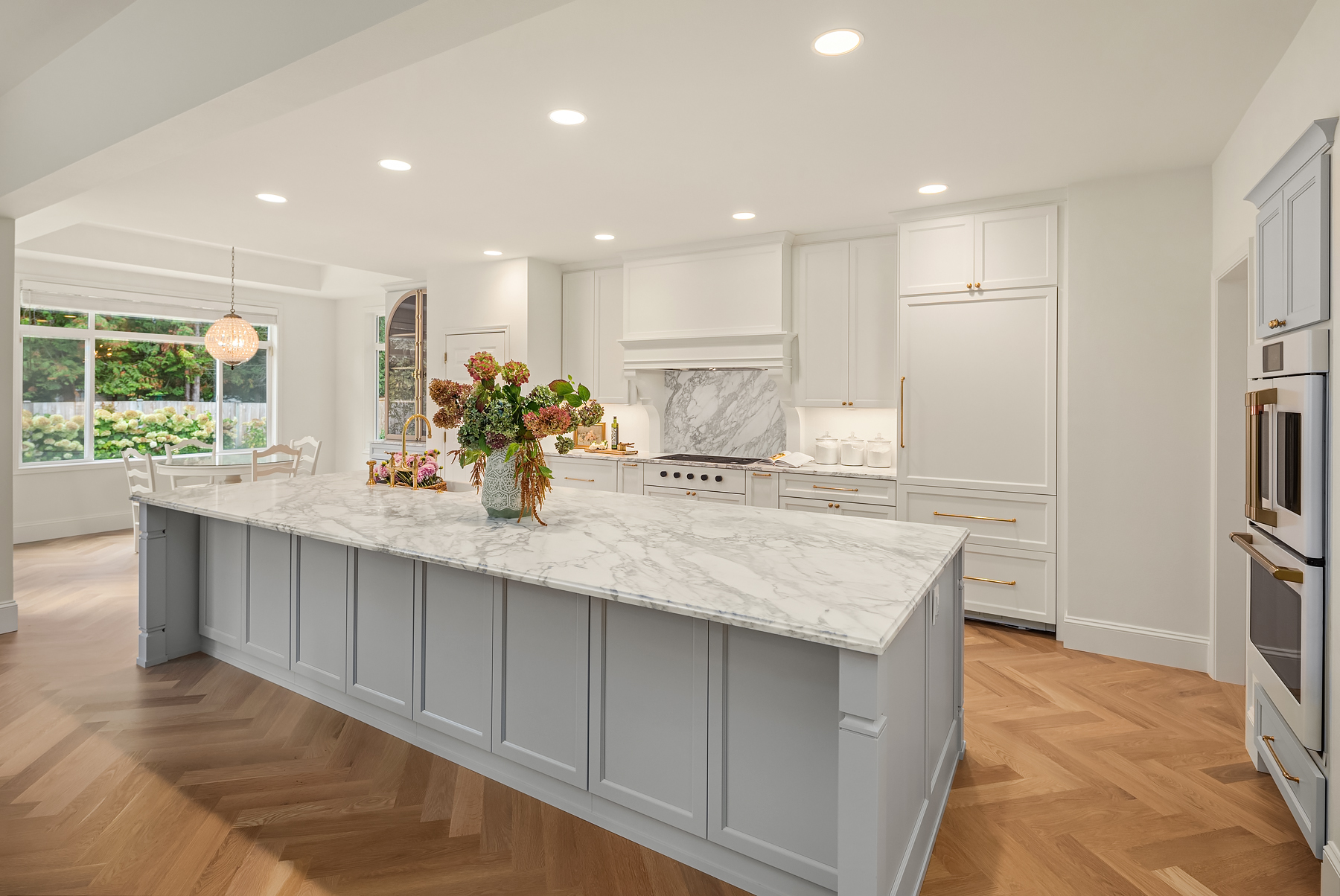
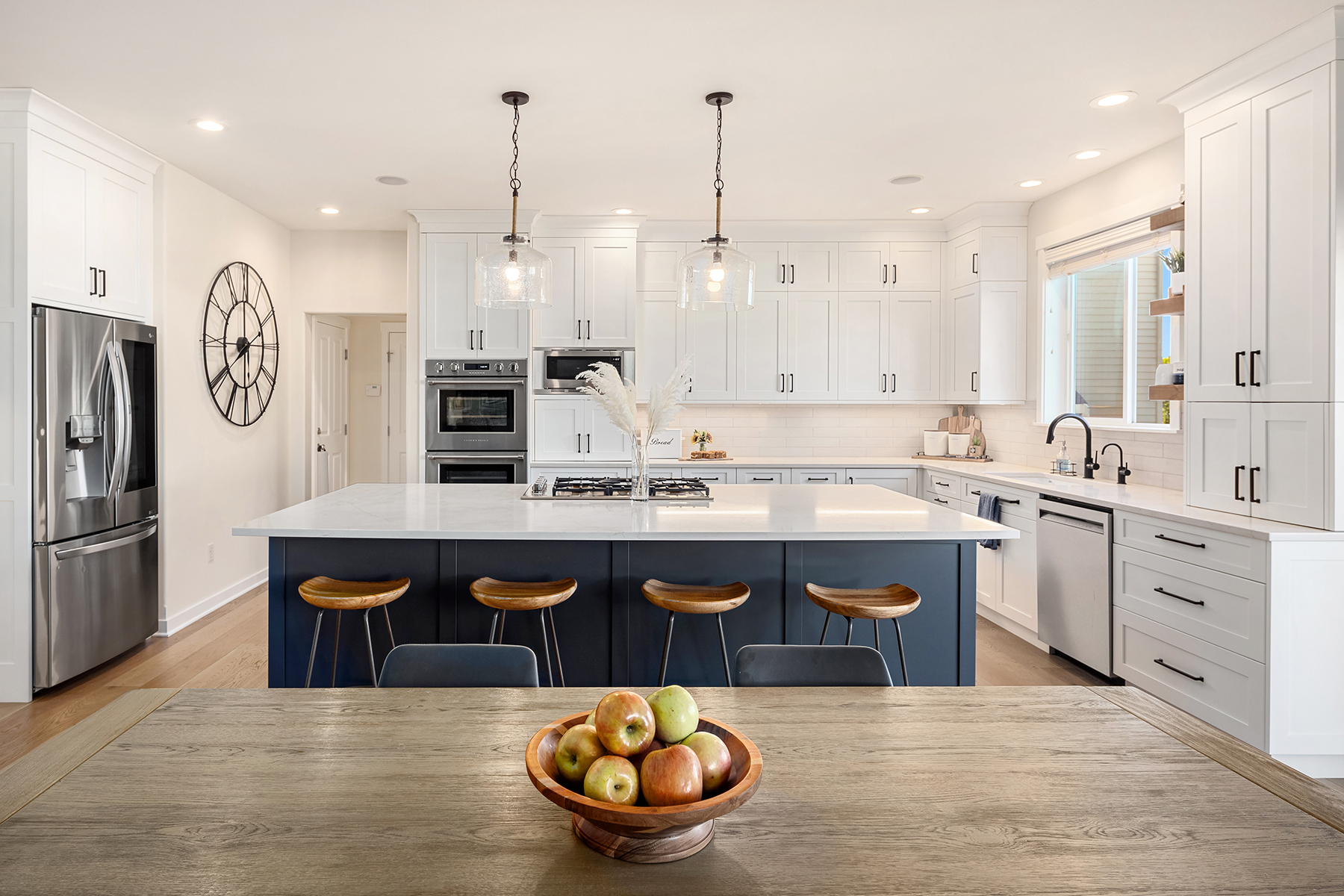
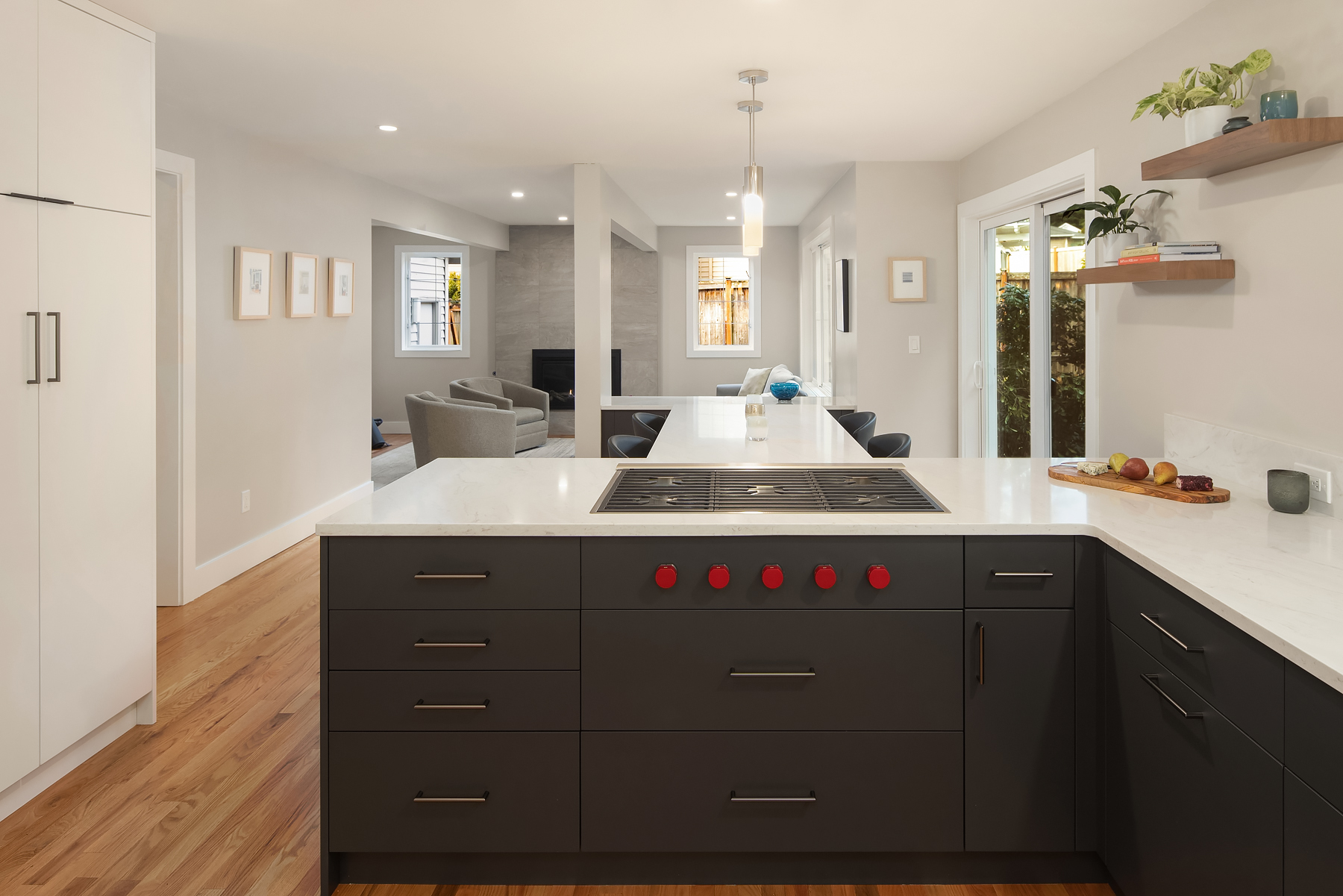
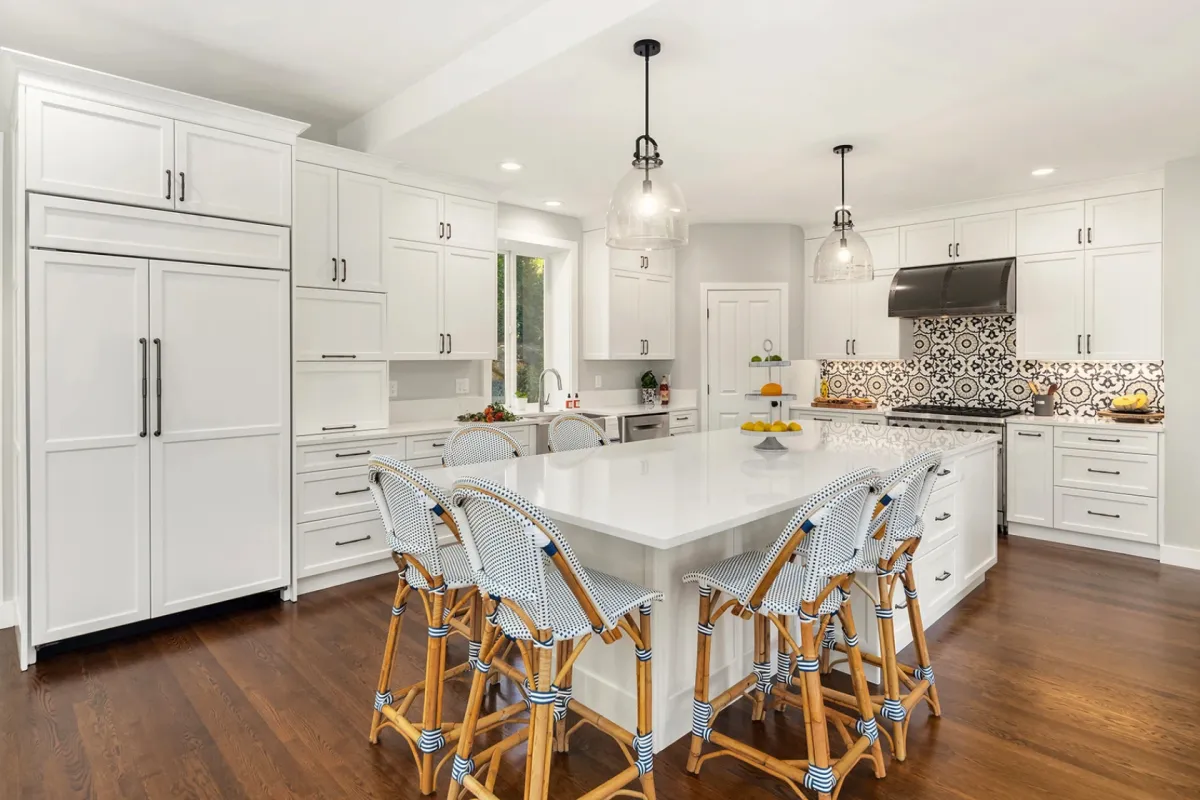
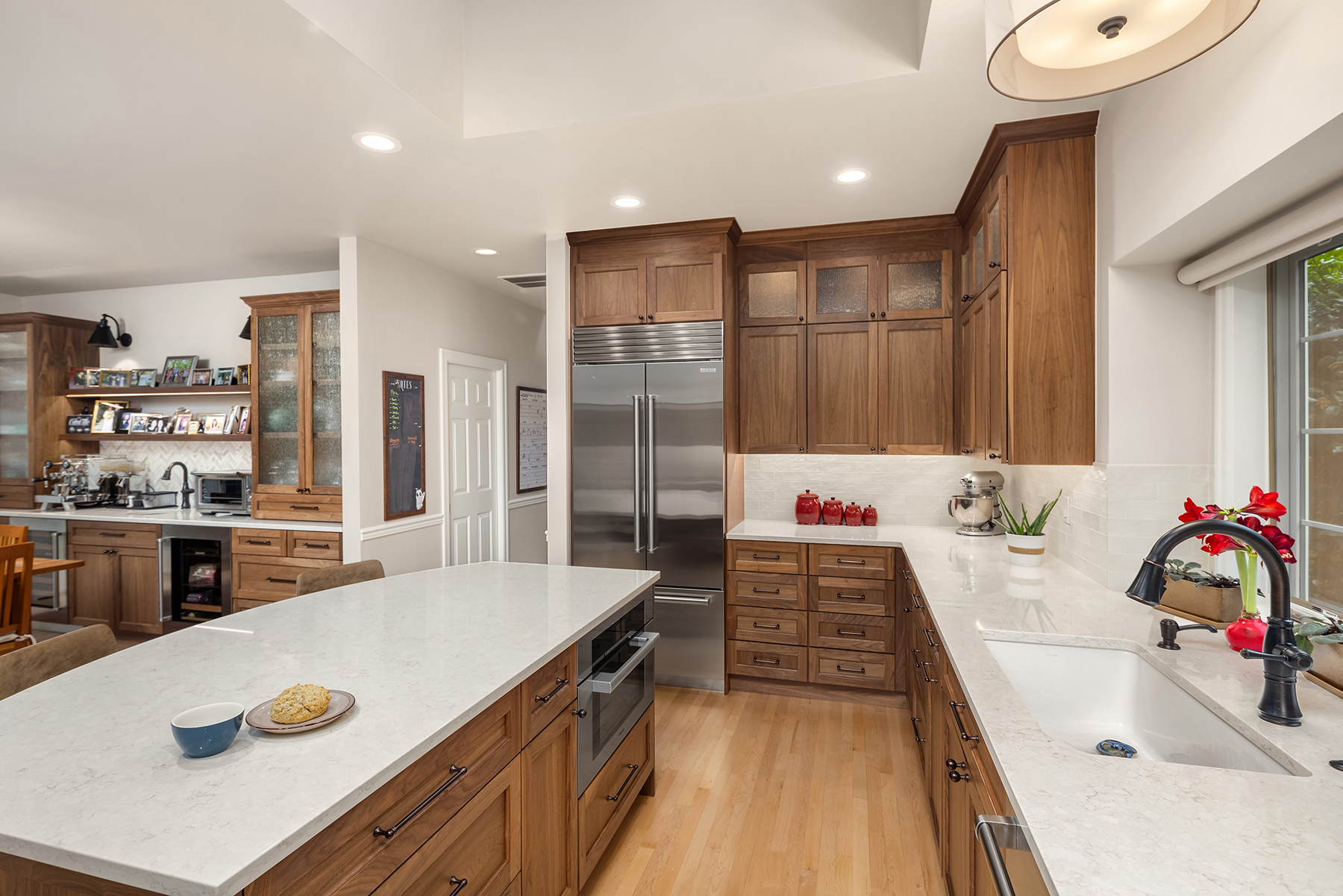
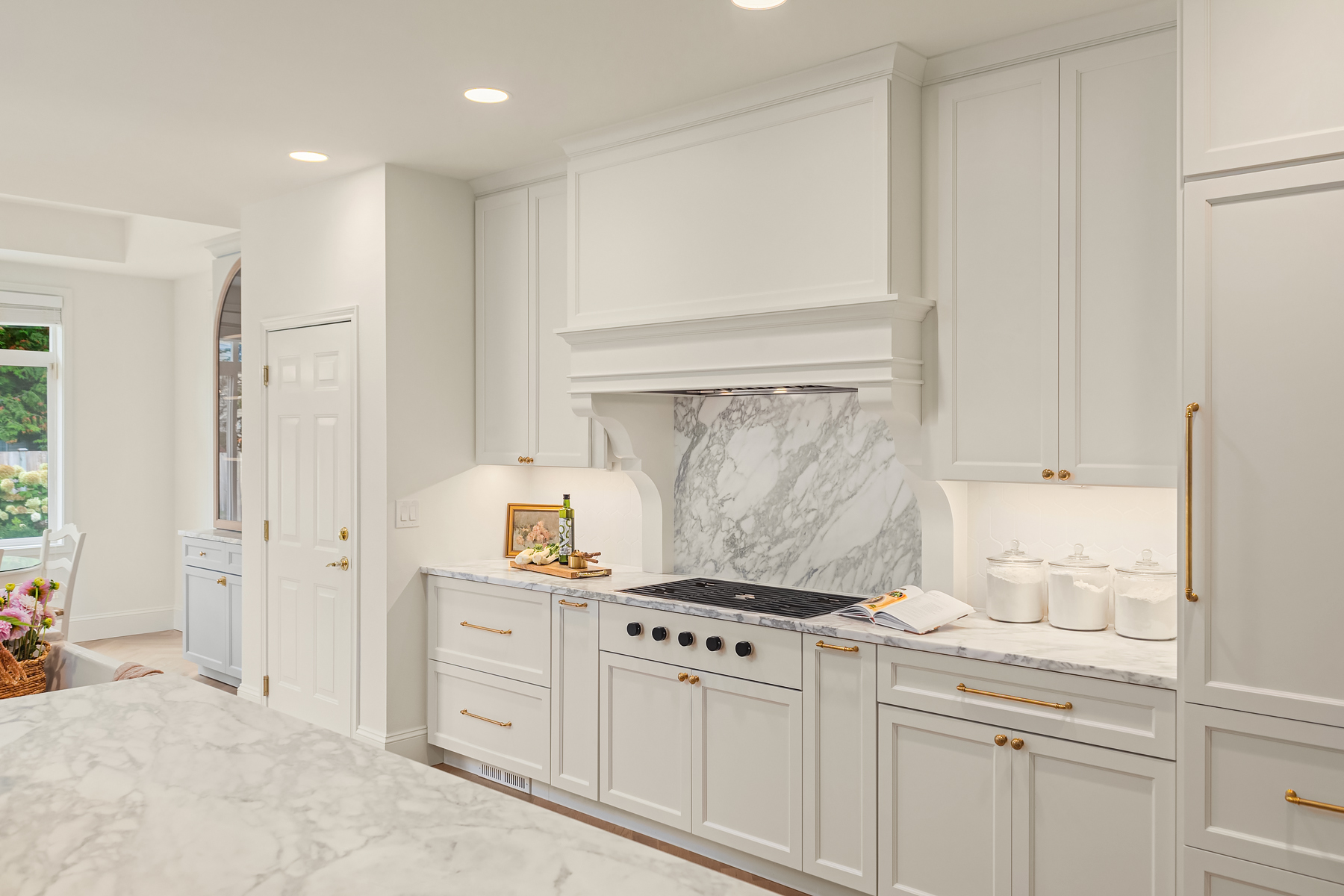
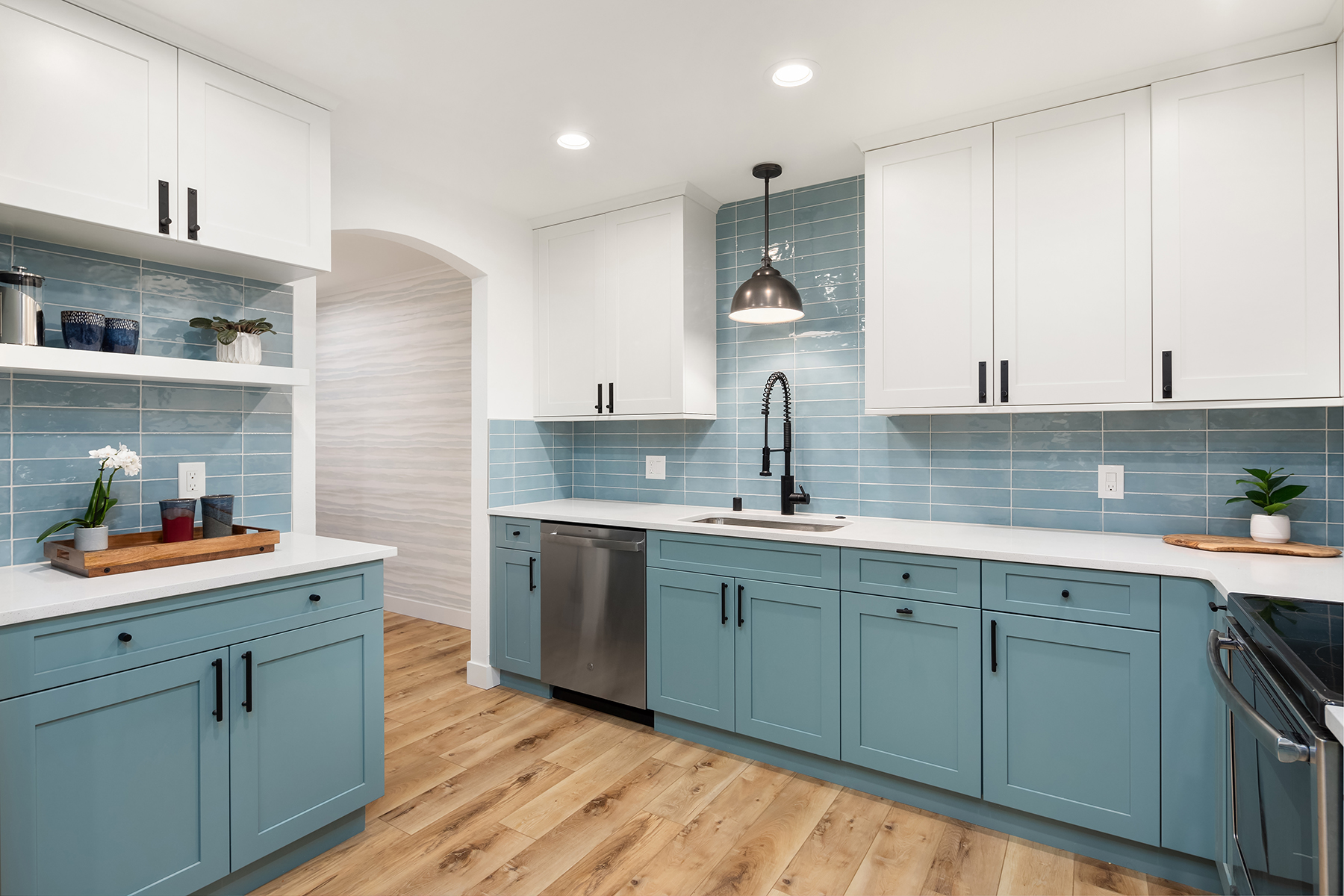
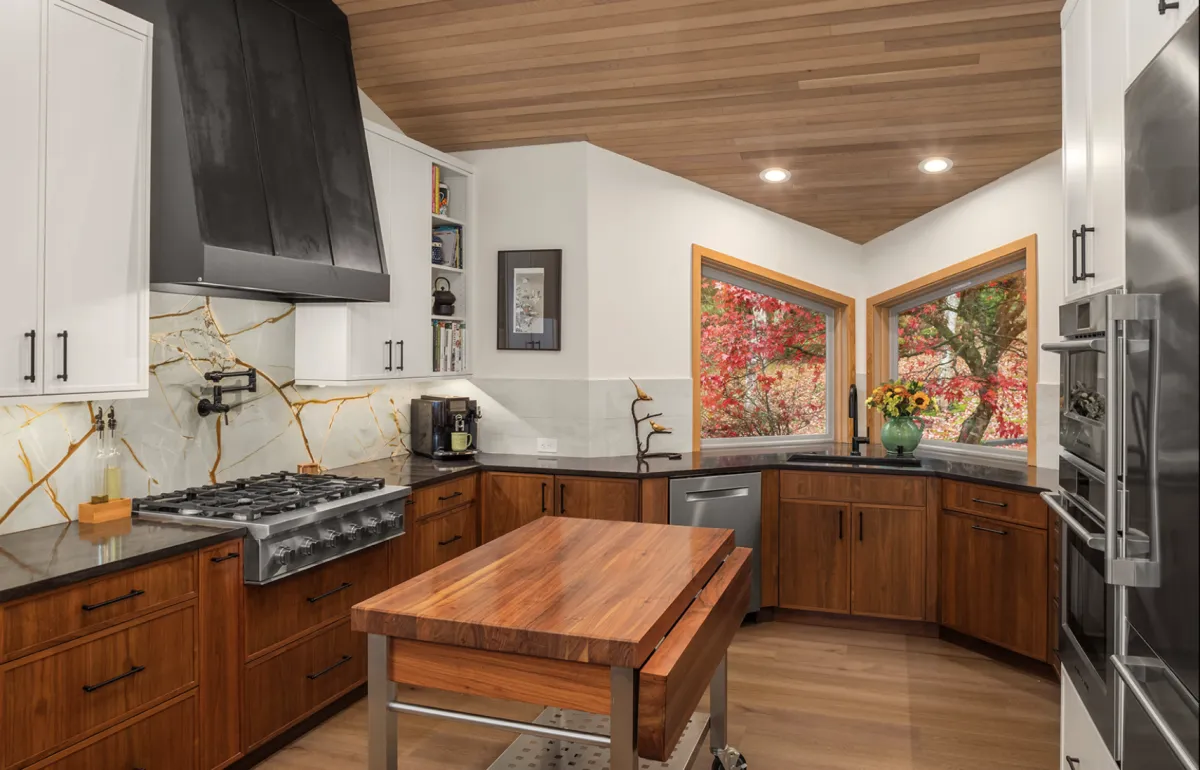
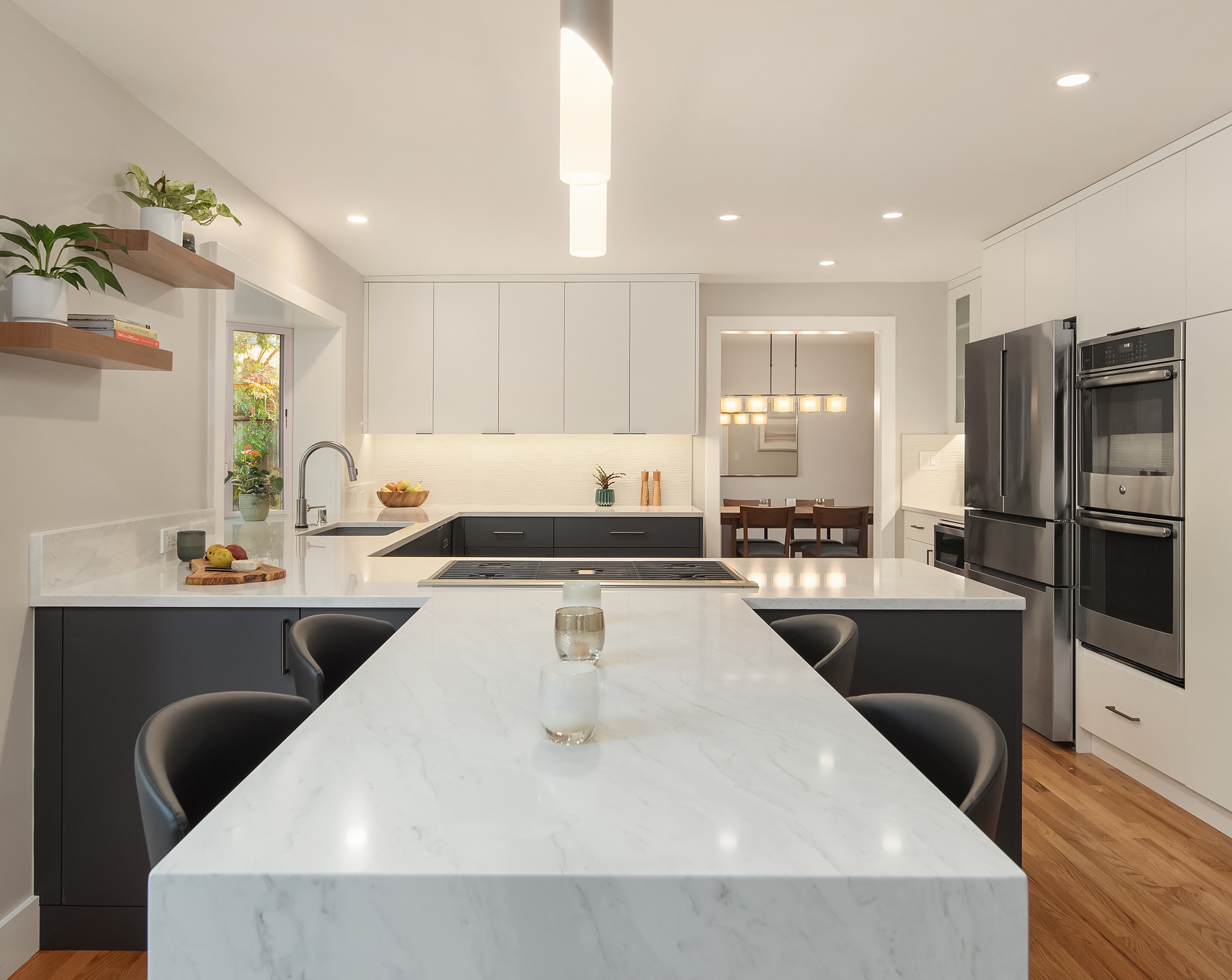
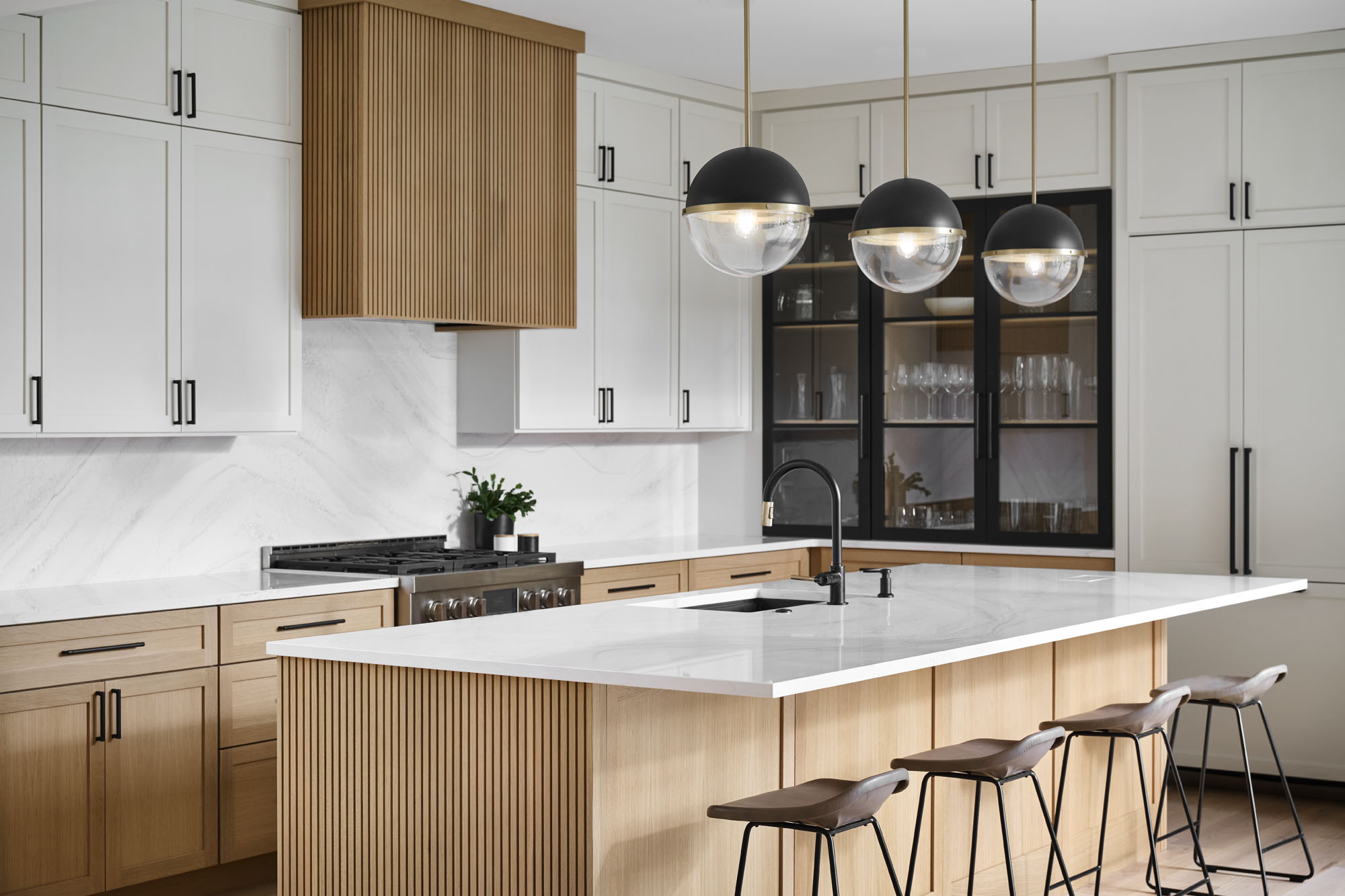
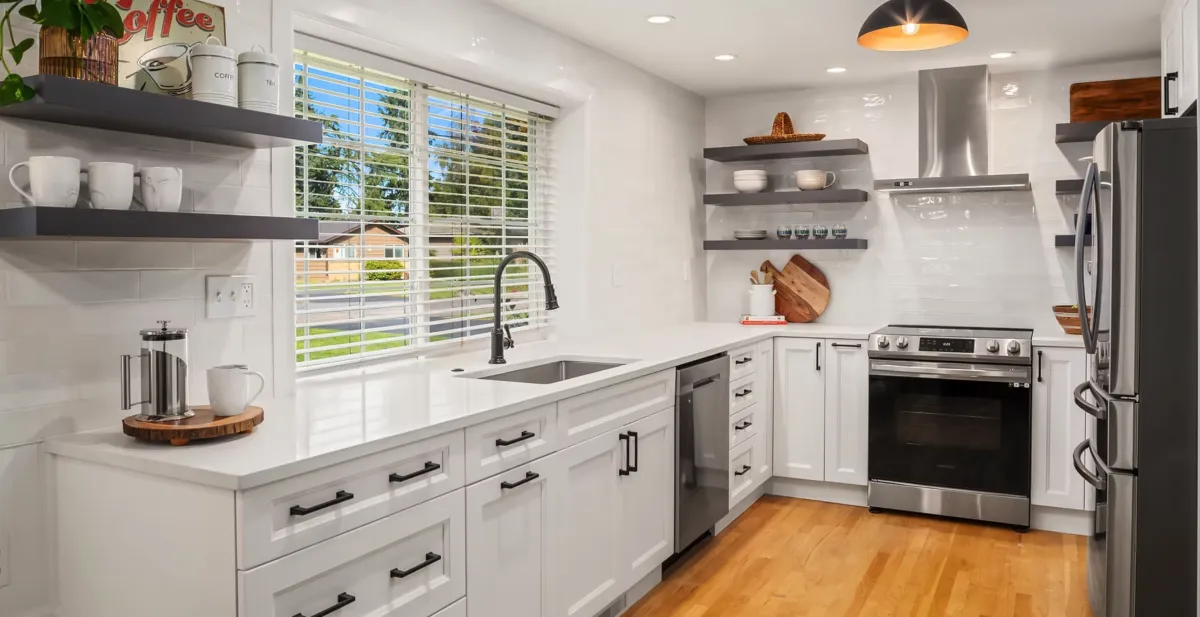
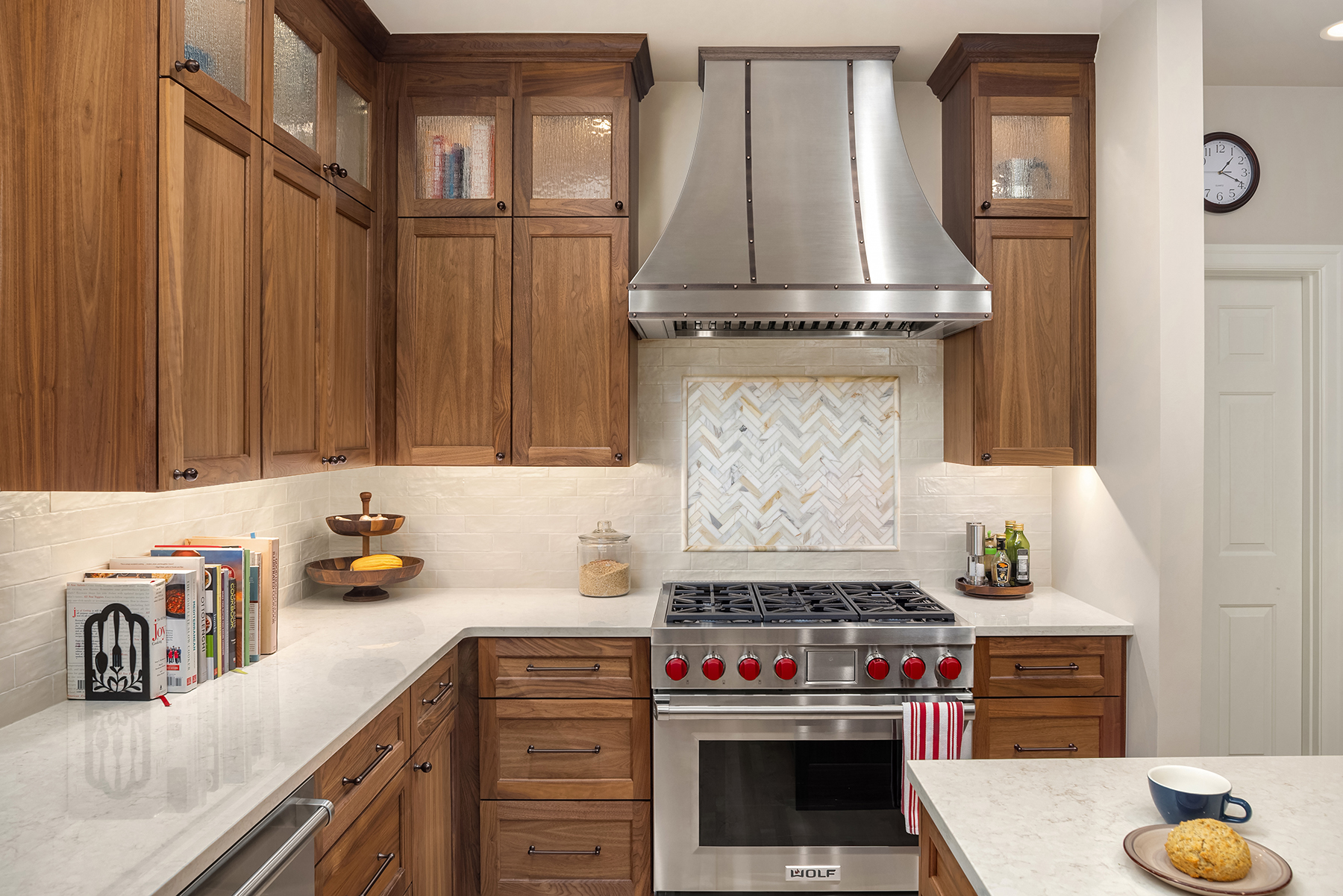
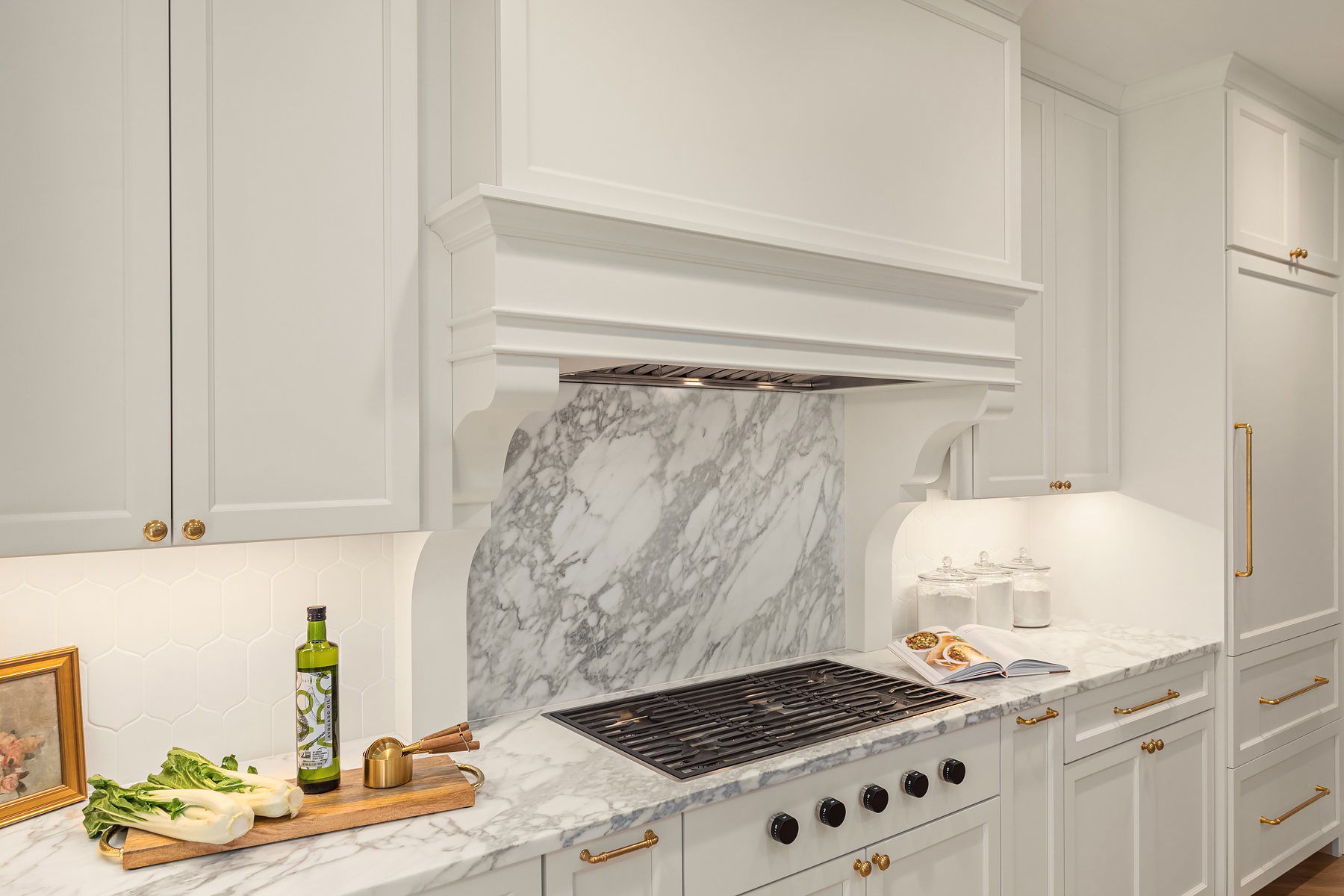
Kitchens By Total Developments
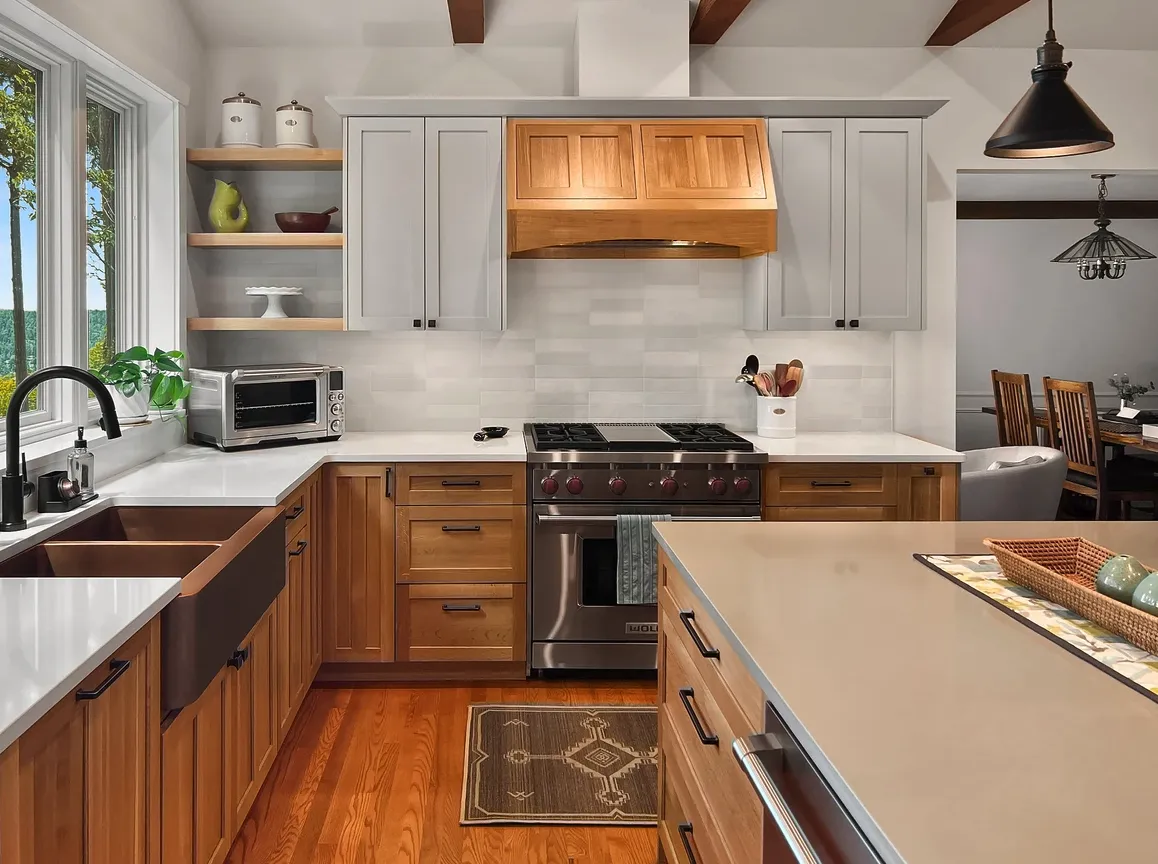
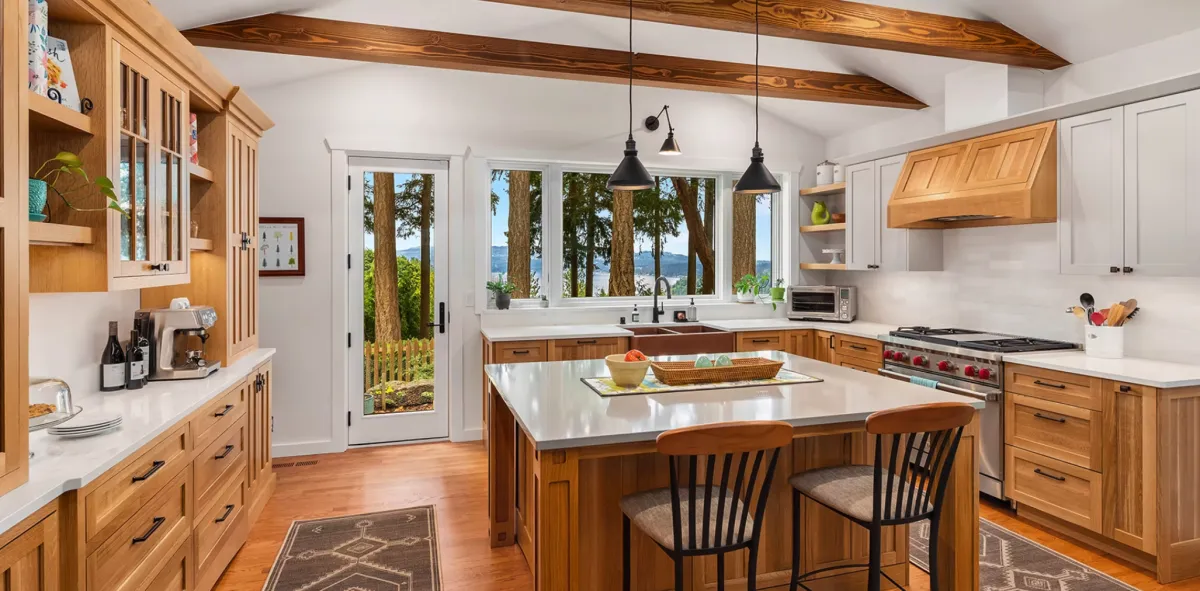
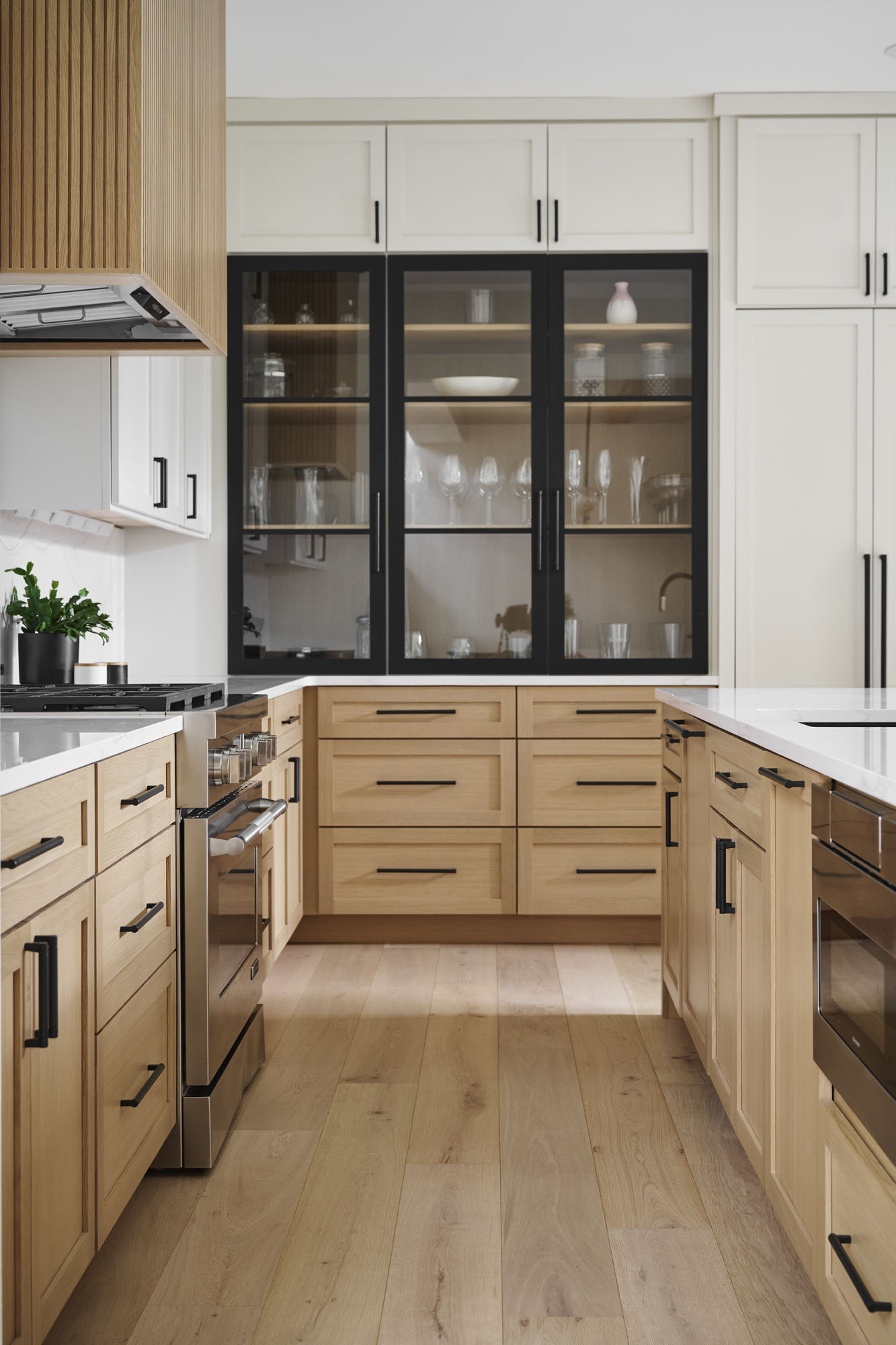
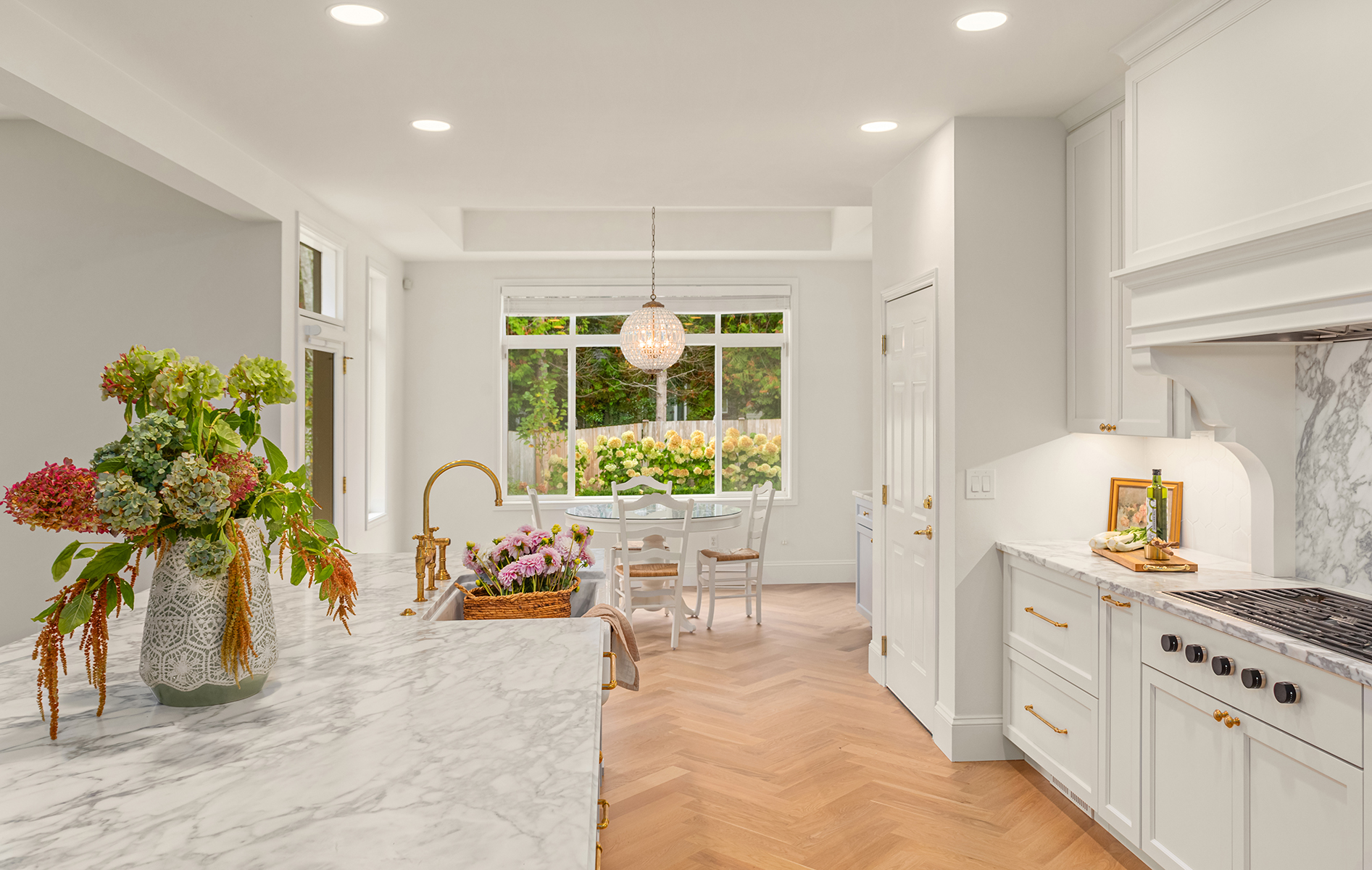
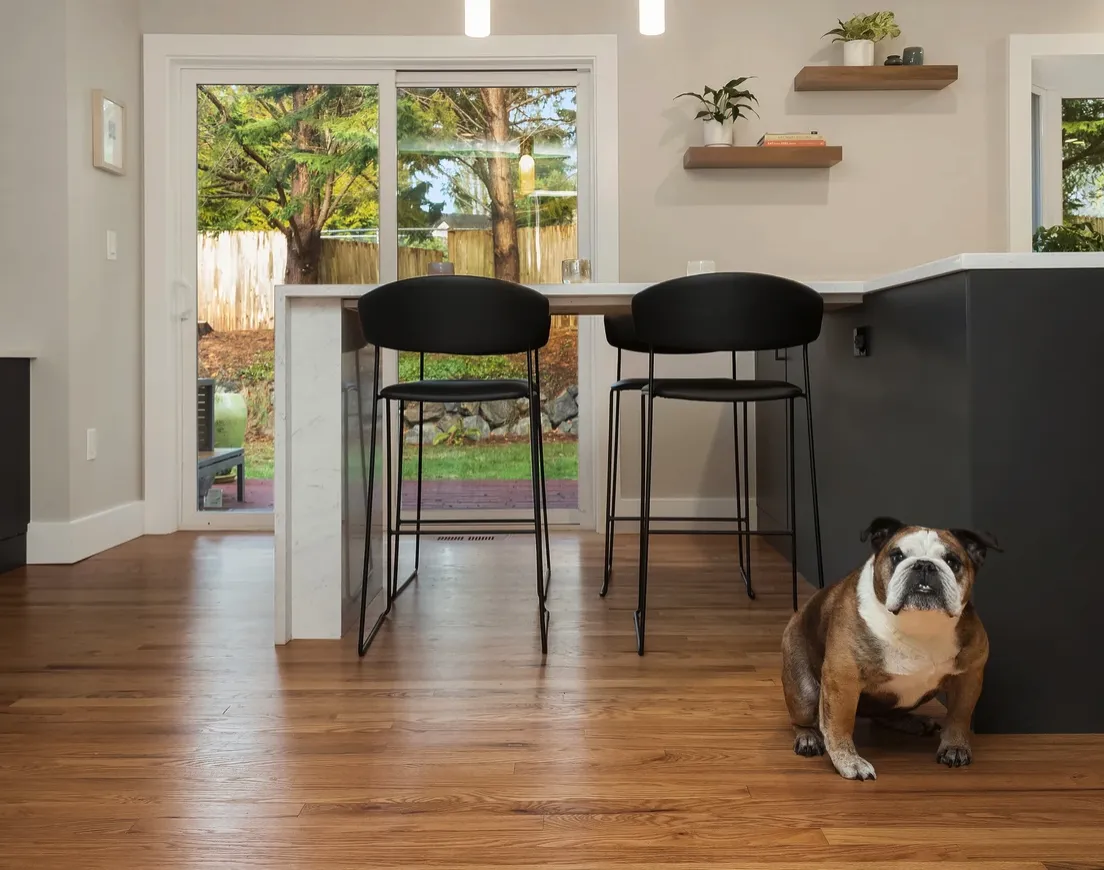
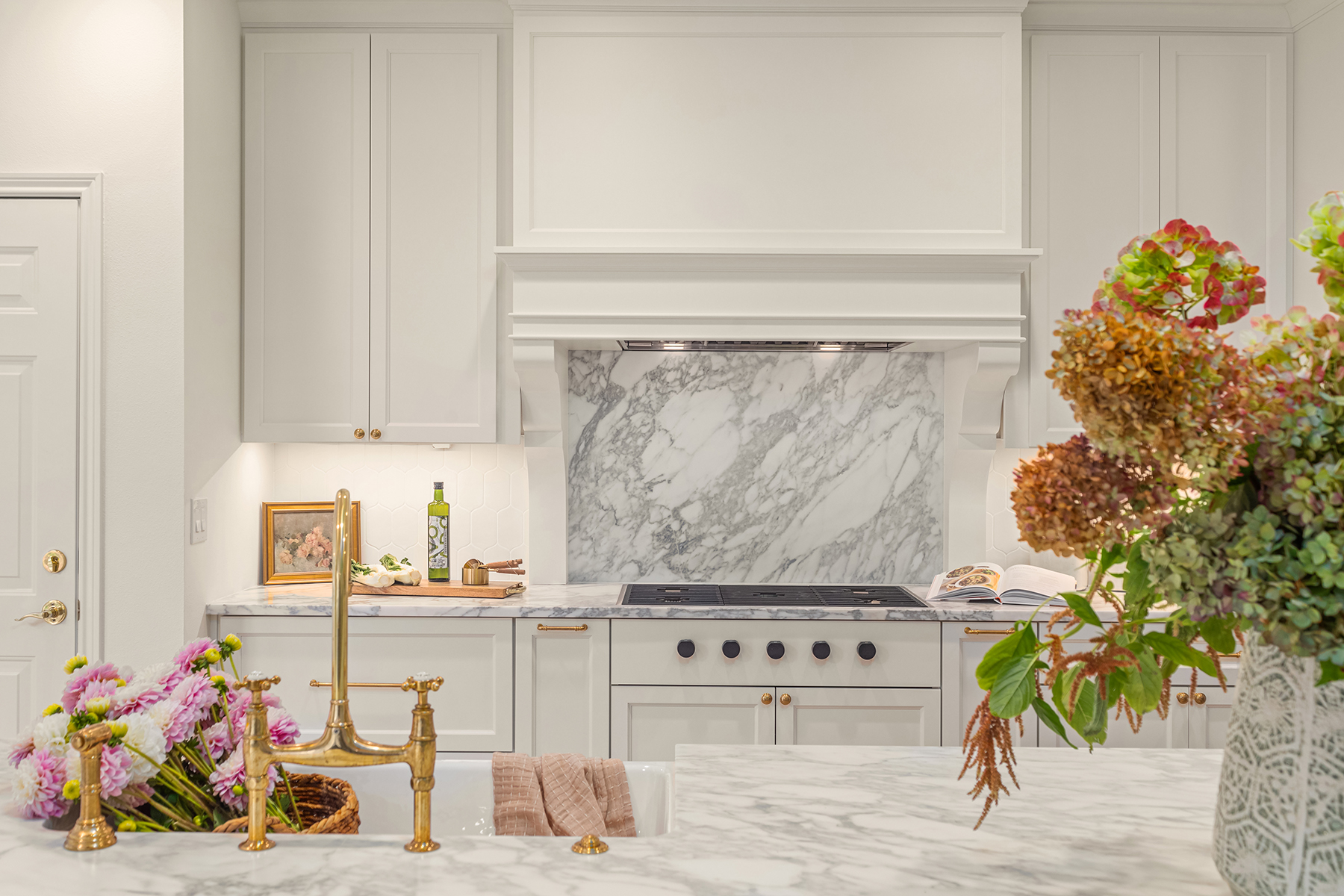
Why Choose the Total Developments Team?
When you choose Total Developments, you're not just hiring a construction crew — you're partnering with a team that has spent over 25 years earning the trust of Eastside homeowners. We believe in straight talk, reliable timelines, and keeping you informed every step of the way. Ken, Josh, Chris, and Jason are personally invested in every project, because we know the details are what turn a house into a home you'll love for years to come.
Does my project need permits?
Whether you will need permits or not depends on the type of project you're working on.
Projects that typically require a permit:
- Building a new house, garage, or addition
- Finishing a basement, attic, or garage into living space
- Adding or removing walls
- Decks more than ~30 inches high
- Retaining walls 4 ft or taller
- Electrical, plumbing, or HVAC work
- Patio covers, carports, or porches
- Detached sheds over ~200 sq ft
- Replacing windows/doors if it changes the opening size
Projects that DO NOT typically require a permit:
- Painting
- Flooring
- Cabinets or countertops
- Cosmetic interior work
- Small sheds under ~200 sq ft with no electrical/plumbing
- Low-voltage outdoor lighting
Should we hire the cheaper estimate we received?
It depends on why they’re cheaper. A lower price can be great—or a warning sign. Before deciding, compare contractors on a few key factors:
1. Scope of Work -
Make sure the bids include the same work and materials. A cheaper contractor might:
- Use lower-quality materials
- Skip steps (permits, prep work, cleanup)
- Leave out parts of the job that will become extra charges later
2. Reputation & Experience -
Check the following:
- Reviews and references
- Photos of past projects
- Years doing similar work
A contractor with solid experience may save you money by avoiding mistakes and delays.
3. Licensing, Insurance, and Permits -
Confirm they have:
- Proper licensing for your area
- Liability insurance and worker’s comp
- Willingness to pull permits if required
If they don’t, you could be financially responsible if something goes wrong.
4. Communication & Professionalism -
Notice how they handle:
- Written estimates
- Clear timelines
- Responsiveness to questions
Poor communication early usually means bigger issues during the project.
5. Price Outliers
If one bid is much lower than the others, it often means:
- They misunderstood the project
- Plan to cut corners
- Will charge change orders later
What seperates a great contractor from an average or below average contractor?
- Clear communication from the beginning of initial intro meeting. It sets the tone for the entire project and what the consumer gets.
- Detailed planning and organizing.
- Quality control of project of trades.
- Finical transparency.
- Problem solving ability.
- Reputation and reviews.
Do we need a designer?
Whether you need a designer or not typically depends on the scope of the project.
You probably don’t need a designer when:
- You’re doing simple updates (paint, flooring, fixtures)
- You already know exactly what you want
The layout isn’t changing
- Your contractor helps with basic selections
Example: replacing cabinets, countertops, and appliances in the same layout.
- A good contractor can often handle this without a separate designer.
A designer is very helpful when:
- You’re changing the layout
- Moving plumbing, walls, or electrical
- Doing a kitchen or bathroom gut remodel
- You want a cohesive style and material plan
- You’re overwhelmed with hundreds of product choices
Designers also help prevent costly problems like:
- Cabinets not fitting
- Bad traffic flow
- Lighting placed incorrectly
- Materials that clash
Contact
(206) 339-3974
Service Areas
Redmond | Bellevue | Seattle
Sammamish | Issaquah | Woodinville

