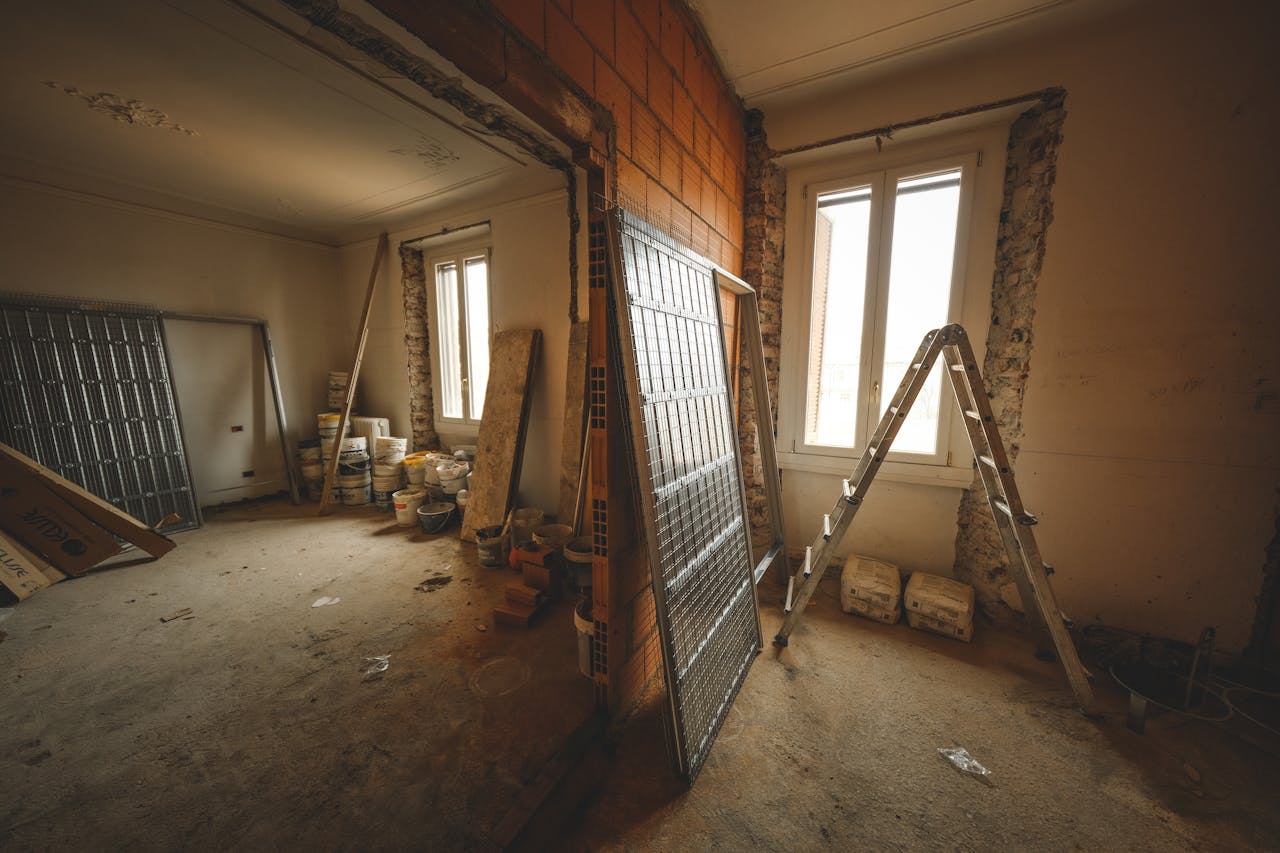
Whole-House Renovation Costs in Bellevue: What Homeowners Should Expect
How Much Does a Whole House Renovation Cost in Bellevue, WA in 2026?
A whole house renovation in Bellevue, WA typically starts in the low six figures for a lighter coordinated renovation and can reach several hundred thousand dollars or more for a full-home transformation with kitchens, bathrooms, structural changes, systems upgrades, and premium finishes. The right budget depends on scope, home age, design complexity, and how much of the house is being rebuilt behind the walls.
For homeowners across Bellevue and the Greater Seattle Eastside, the more useful question is not simply “What is the cheapest way to renovate?” It is “What level of renovation makes sense for this home, this neighborhood, and the way we plan to live here?” A true whole home renovation is a major investment in comfort, function, durability, and long-term property value.
A qualified whole house renovation contractor should help you understand the full picture before construction begins: design direction, likely cost drivers, permit requirements, material selections, temporary living needs, risk areas, and the tradeoffs between partial remodeling and a full gut renovation. That level of planning matters in Bellevue, Redmond, Kirkland, Sammamish, Issaquah, Woodinville, and Seattle, where homeowners tend to expect high-quality craftsmanship and cohesive design rather than quick cosmetic updates.
What Does a Whole Home Renovation in Bellevue Really Cost?
A whole home renovation in Bellevue should be treated as a serious six-figure project from the beginning. A lighter renovation that keeps the floor plan mostly intact may begin around a few hundred thousand dollars, while a larger renovation involving kitchen and bath remodels, structural work, system upgrades, custom millwork, and premium finishes can climb significantly higher.
The final cost depends on what the renovation is meant to accomplish. Updating flooring, paint, lighting, trim, doors, cabinets, countertops, and fixtures is very different from opening load-bearing walls, relocating plumbing, replacing electrical systems, reworking HVAC, rebuilding stairs, and redesigning the kitchen and bathrooms. Both may be called “whole house renovation,” but they are not the same project.
Bellevue homeowners also have to consider the value of the home itself. Zillow Research reported the average Bellevue, WA home value at more than $1.5 million in 2026, while King County Assessor data listed Bellevue’s 2025 median assessed residential value at $1,524,000. In that context, a thoughtful full-home renovation is often less about making an older house “look newer” and more about bringing the entire property up to the functional and finish level expected in one of the region’s most competitive residential markets.
A practical early budget conversation should separate the project into major categories:
Design, engineering, and planning
Permits and jurisdictional review
Demolition and site protection
Structural changes
Electrical, plumbing, and mechanical systems
Kitchen and bathroom renovations
Flooring, trim, doors, and finish carpentry
Cabinetry, countertops, tile, and fixtures
Exterior repairs or access-related restoration
Contingency for unknown conditions
When these categories are discussed early, homeowners can make better decisions about where to invest and where to simplify.
What Factors Drive the Cost of a Whole Home Renovation in Bellevue?
The biggest cost drivers in a Bellevue whole home renovation are scope, complexity, finishes, systems, and sequencing. The broader the scope and the more the project changes how the house is built, the more trades, planning, inspections, and time are required.
The main factors include:
How much of the home is being renovated
Whether the floor plan is changing
Whether structural walls, beams, stairs, or rooflines are affected
How many bathrooms are being remodeled
Whether the kitchen is being fully redesigned
Whether electrical, plumbing, and HVAC systems need replacement
Whether windows, insulation, or exterior elements are being upgraded
The level of cabinetry, millwork, tile, lighting, and fixtures selected
Site access, parking, staging, and neighborhood constraints
Permit review requirements in Bellevue or King County
A relatively modern Sammamish home with good systems and an efficient floor plan may only need a coordinated finish renovation. A 1970s or 1980s Bellevue home with compartmentalized rooms, dated wiring, low insulation levels, aging plumbing, and undersized ventilation may need a deeper rebuild to meet today’s expectations.
Material and labor markets also affect cost. The Harvard Joint Center for Housing Studies reported that national home improvement and repair spending rose from $404 billion in 2019 to $611 billion in 2022 and was expected to remain above $600 billion through 2025. That sustained demand affects skilled labor availability, subcontractor schedules, and material pricing, especially in high-cost regions such as the Greater Seattle Eastside.
How Does the Size and Age of the Home Affect Renovation Costs on the Eastside?
Home size affects cost, but not in a perfectly straight line. A larger house usually means more flooring, trim, paint, lighting, doors, and square footage to finish, but the bigger cost impact often comes from the number of kitchens, bathrooms, mechanical zones, rooflines, transitions, and structural conditions involved.
Age is just as important as size. Many homes in Bellevue, Kirkland, Redmond, and nearby Eastside neighborhoods were built before current energy, electrical, ventilation, and lifestyle expectations. Older homes may require:
Electrical panel upgrades
New wiring in renovated areas
Plumbing replacement or rerouting
HVAC upgrades or zoning improvements
Better insulation and air sealing
Window or door improvements
Structural reinforcement
Correcting past remodel work that was poorly executed
A local whole house renovation contractor with extensive Eastside experience can often identify likely risk areas before construction starts. That does not eliminate surprises, but it helps create more realistic allowances and a smarter contingency.
What Does a Kitchen or Bathroom Renovation Add to a Whole Home Project Cost?
Kitchens and bathrooms usually represent a large share of a whole home renovation budget because they combine nearly every expensive trade and finish category: plumbing, electrical, ventilation, cabinetry, countertops, tile, waterproofing, appliances, fixtures, lighting, and finish carpentry.
A kitchen renovation can add substantial cost when it includes layout changes, new cabinetry, stone or quartz countertops, upgraded appliances, expanded islands, custom storage, new lighting plans, and relocated plumbing or gas lines. Bathroom renovations can also become significant investments when they include curbless showers, custom tile, heated floors, freestanding tubs, premium fixtures, improved ventilation, and built-in storage.
Within a whole home renovation, the biggest kitchen and bath cost decisions usually include:
Stock, semi-custom, or custom cabinetry
Appliance package level
Countertop material and slab complexity
Tile material, layout, and installation detail
Plumbing fixture quality
Shower waterproofing and glass
Lighting design and controls
Ventilation upgrades
Built-in storage and specialty millwork
Bellevue and Eastside homeowners often choose finishes that match the quality of the neighborhood and the value of the property. That does not always mean choosing the most expensive option, but it does mean avoiding materials or layouts that feel underbuilt for the home.
How Do Permits Affect Whole Home Renovation Costs in King County?
Permits affect both direct cost and project timeline. A true whole home renovation in Bellevue or elsewhere in King County will usually require building permits and may also require electrical, plumbing, and mechanical permits. If the project changes structural elements, adds square footage, modifies exterior openings, or affects site conditions, additional review may be needed.
Permit requirements commonly apply when a renovation includes:
Adding or removing walls
Structural beam or post changes
Kitchen or bathroom layout changes involving plumbing
Electrical panel or wiring work
HVAC replacement or duct changes
Window or door opening changes
Converting unfinished areas into living space
Additions or major exterior modifications
A contractor familiar with Bellevue, King County, and Eastside inspection practices can help reduce avoidable delays by preparing complete documentation, coordinating engineering early, and building inspection milestones into the schedule.
What Is the Difference in Cost Between a Partial Remodel and a Full Gut Renovation?
A partial remodel usually preserves the basic structure, floor plan, and most systems while updating selected rooms and finishes. A full gut renovation typically removes interior finishes down to framing, replaces or reconfigures major systems, and may significantly change the layout.
A partial remodel may include:
New flooring
Interior paint
Updated lighting
Cabinet replacement
Countertop replacement
Bathroom fixture updates
Trim and door replacement
Limited room-by-room improvements
A full gut renovation may include:
Demolition to studs
Structural wall changes
New electrical, plumbing, and HVAC
New insulation
Reconfigured kitchen and bathrooms
New windows or exterior openings
Stair, roofline, or framing work
Full interior finish replacement
A full gut renovation costs more upfront because it touches more of the house and requires deeper trade coordination. However, it can be the better long-term decision when the home has aging systems, poor layout, hidden damage, or past remodel work that needs correction.
A partial remodel can be the right choice when the home already has strong bones, a workable layout, and systems that do not need major replacement. The best contractor will help you choose the scope that fits the house, rather than pushing the largest project by default.
How Does Hiring a Design-Build Contractor Affect Total Project Cost?
Hiring a design-build contractor can help manage cost because design, budgeting, selections, permitting, and construction are coordinated by one accountable team. Instead of hiring a designer, engineer, general contractor, and multiple trades separately, the homeowner works through one process from concept to final walkthrough.
The cost advantage is not always that design-build produces the lowest initial number. The advantage is that it reduces disconnects between design intent and construction reality. When the build team is involved early, budget feedback can shape the design before drawings become too expensive or impractical to execute.
A design-build approach can help by:
Aligning scope and budget during planning
Identifying structural and system issues earlier
Creating realistic allowances for finishes
Coordinating selections before construction begins
Reducing change orders caused by unclear details
Sequencing trades more efficiently
Giving homeowners one point of accountability
This matters in Bellevue because premium homes often involve custom details, higher expectations, and tighter tolerances. A beautiful design that has not been priced realistically can lead to frustration. A low bid that does not include the full scope can lead to expensive changes later.
How Does a Whole Home Renovation Affect Property Value in Bellevue?
A well-planned whole home renovation can improve both property value and marketability in Bellevue, especially when the work modernizes layout, systems, finishes, and daily function in a cohesive way. In a high-value market, buyers often respond strongly to homes that feel complete rather than partially updated.
The King County Assessor reported Bellevue’s 2025 median assessed residential value at $1,524,000, and Zillow Research placed the average Bellevue home value above $1.5 million in 2026. Those figures help explain why many Eastside homeowners choose to reinvest in their current home rather than compete for another updated property in the same school district or neighborhood.
Return on investment depends on alignment. A renovation that fits the home and neighborhood can make the property more competitive. Overbuilding beyond neighborhood expectations may tie up capital that is harder to recover. Under-investing can leave the home feeling unfinished, especially if new surfaces are installed over outdated systems or awkward layouts.
The strongest value usually comes from renovations that address:
Kitchen function and storage
Bathroom quality and layout
Primary suite comfort
Open, natural main living spaces
Indoor-outdoor connection
Updated electrical, plumbing, and HVAC
Better lighting
Durable, timeless finishes
Consistent design throughout the home
ROI should not be measured only at resale. For many Bellevue and Eastside homeowners, the return also includes years of improved daily living, better entertaining spaces, more functional family routines, and the ability to stay in a neighborhood they already value.
Where Can Bellevue Homeowners Start Planning a Whole Home Renovation?
Start by defining what success looks like. Before discussing finishes, clarify how the home needs to function. Do you need better entertaining space? A larger kitchen? More natural light? A primary suite? Better storage? Aging-in-place features? A home office? More connection to the yard?
Then organize the renovation into priorities:
Must-have improvements
High-value upgrades
Nice-to-have features
Items that can be phased
Systems that need investigation
Budget boundaries
Timing constraints
Review examples of complete transformations and service options through Whole Home Renovations. If your plans involve expanding the footprint, adding a primary suite, creating an ADU, or building upward or outward, compare renovation scope with Home Additions.
Early conversations with a contractor should focus on feasibility, budget alignment, permit path, schedule, and design direction. A good contractor will not pressure you into a number before understanding the house. They will help you build a practical roadmap.
What Should You Know About Working With Total Developments?
Total Developments is a family-owned, multigenerational home building and remodeling contractor serving the Greater Seattle Eastside since 1997. Led by Ken, Josh, Chris, and Jason, the team brings more than 25 years of craftsmanship to custom home builds, whole home renovations, home additions, kitchen remodels, and bathroom remodels across Bellevue, Redmond, Kirkland, Sammamish, Issaquah, Woodinville, and Seattle.
The value of working with Total Developments is the design-to-walkthrough process. One team helps guide planning, design consultation, budgeting, selections, construction, communication, and the final walkthrough. That structure gives homeowners clear expectations and one accountable partner throughout the project.
Eastside homeowners often care as much about communication and trust as they do about the finished result. Total Developments is known for straight talk, reliable timelines, financial transparency, problem-solving before issues arise, and treating every client like family. The company’s philosophy is simple: construction can be fun when it is done right.
Common Questions Bellevue Homeowners Have About Whole Home Renovations
How much does a whole house renovation cost in Bellevue, WA?
A whole house renovation in Bellevue typically starts in the low six figures for lighter coordinated work and can reach several hundred thousand dollars or more for a full gut renovation with structural changes, new systems, kitchens, bathrooms, and premium finishes. The final cost depends on scope, home age, design complexity, and selections. A detailed contractor walkthrough and planning process are the best way to narrow the range.
How long does a whole home renovation take in the Greater Seattle Eastside?
A full interior renovation often takes several months of construction, with additional time needed for design, engineering, permits, selections, and material ordering before work begins. Larger projects with structural changes, multiple bathrooms, custom cabinetry, or permit complexity can take longer. Homeowners should start planning well before any desired move-in or completion date.
Do I need permits for a whole home renovation in King County?
Yes, most whole home renovations require permits for building, electrical, plumbing, and mechanical work. Projects involving structural changes, wall removal, system upgrades, or layout changes almost always need permit review and inspections. Your contractor should coordinate the permit process and explain what is required before construction starts.
What is the difference between a remodel and a renovation?
The terms are often used interchangeably, but renovation usually refers to restoring or updating the home, while remodeling often means changing layout, structure, or function. A whole home project may involve both. For budgeting purposes, the important question is how much of the structure, systems, and layout will be changed.
How do I budget for unexpected costs in a whole home renovation?
Set aside a contingency for unknown conditions, especially in older homes. Hidden water damage, outdated wiring, plumbing issues, framing problems, or previous poor workmanship can appear after demolition. A strong preconstruction process and honest contractor communication help reduce surprises, but they cannot eliminate every unknown.
Does a whole home renovation increase property value in Bellevue?
A well-planned renovation can improve value and marketability when it fits the home, neighborhood, and buyer expectations. In Bellevue’s high-value market, cohesive updates to kitchens, bathrooms, systems, layout, lighting, and finishes can help an older home compete more effectively. The strongest results come from quality work that feels integrated rather than pieced together.
Should I stay in my home during a whole home renovation?
For most whole home renovations, moving out temporarily is more comfortable and efficient. Construction can affect kitchens, bathrooms, flooring, dust control, utilities, and daily access. If staying in the home is important, discuss phasing, safety, temporary facilities, and schedule impacts with your contractor before work begins.
What should I look for when hiring a whole home renovation contractor in Bellevue?
Look for local Eastside experience, strong communication, transparent budgeting, similar completed projects, reliable references, and a clear process from planning through final walkthrough. A whole house renovation contractor should understand permits, structural coordination, premium finishes, and the expectations of Bellevue homeowners. The lowest bid is not always the safest or most complete bid.
How do I get started with a whole home renovation on the Seattle Eastside?
Start by clarifying your goals, budget range, ideal timing, and must-have improvements. Then speak with a contractor who regularly handles whole home projects in Bellevue and the Greater Seattle Eastside. Early feasibility conversations can help you understand scope, schedule, permits, and whether renovation, addition, or phased work makes the most sense.
What does a design-build contractor do differently than a general contractor?
A design-build contractor coordinates design and construction through one team, while a traditional general contractor may enter after the design is already complete. The design-build model helps connect design decisions to real construction costs earlier in the process. For whole home renovations, that can reduce scope gaps, improve accountability, and make budgeting more transparent.
Get Started With Your Project Today
If you are ready to reimagine your home from top to bottom, we are here to guide every step of the process. As your trusted whole house renovation contractor, Total Developments will help you plan, design, and build a cohesive space that fits your lifestyle. Tell us about your goals and timeline so we can provide a clear, detailed plan and estimate. Reach out today through our contact page to schedule your consultation.
